
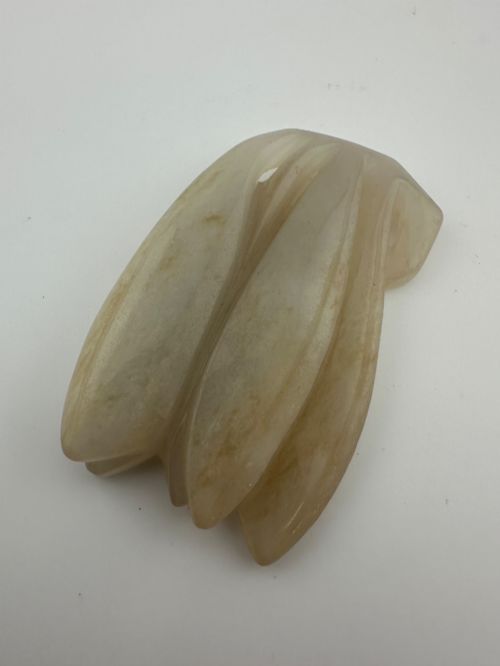
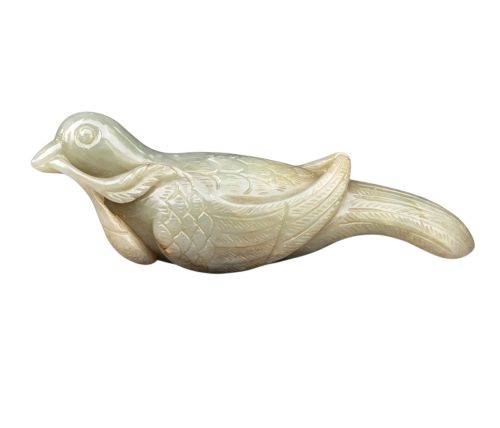


Celadon Jade Ornament
A celadon jade ornament is a carved piece of mineral sculpture prized for its subtle green tones and historical craftsmanship.
Celadon Jade Ornament
A celadon jade ornament is a carved sculpture, vessel, or pendant shaped from green mineral stone during periods spanning the eighteenth and nineteenth centuries as well as the early twentieth century. These objects include scholarly brush washers, water birds, animal carvings such as cicadas and pixiu, and landscape mountain sculptures often paired with hardwood stands. Most items originate from Chinese traditions, encompassing Qing dynasty work, republican period pieces, and traditional Asian decorative art.
Buyers browsing this selection will frequently encounter pale celadon shades, intricate motifs of dragons, fish, and lotus forms, and smaller tabletop ornaments alongside larger sculptural works. The material ranges across nephrite, jadeite, and general hardstone, reflecting both imperial tastes and later decorative styles. Each carving displays distinct subject matter, from mythical creatures to naturalistic flora and fauna.
How they were made
Carving a celadon jade ornament required working with tough minerals like nephrite and jadeite, which resist conventional cutting tools and demand abrasive sands and rotary drills. Artisans shaped the raw stone by grinding, incising, and polishing to bring out the natural translucent qualities of the jade and highlight russet inclusions.
Many sculptures were mounted on bespoke carved hardwood stands designed specifically to support the contours of the stone object. This combination of mineral carving and custom woodwork defined the production of traditional Chinese table ornaments and decorative vessels.
The materials recorded across these sculptures and vessels include jade, jadeite, nephrite, hardstone, and stone, frequently complemented by hardwood display stands.
What varies in quality
The quality of a celadon jade ornament depends on the depth and dexterity of the carving, ranging from flat surface incisions to deeply undercut, double-sided motifs with high relief. Superior examples demonstrate a precise command of form where the natural variations of the stone, including russet patches, are integrated into the subject matter of the sculpture.
Material choice also dictates standard, as denser nephrite and pale celadon jade with smooth, even polishes command attention over simpler hardstone alternatives. The refinement of secondary elements, such as fitted hardwood stands or intricate miniature details like feathers and scales, separates standard decorative objects from superior scholarly carvings.
The Celadon Jade Ornament Glossary
- Celadon
- A pale green or grey-green glaze or mineral colour resembling certain types of jade. It forms the defining visual characteristic of these carvings.
- Nephrite
- A compact, tough amphibole mineral that constitutes one of the two primary materials classified as jade. Ancient and imperial Chinese carvers relied heavily on this stone for its durability.
- Pixiu
- A mythical winged celestial creature frequently depicted in Chinese art and jade carvings. It is traditionally associated with wealth and good fortune.
- Brush washer
- A small scholarly vessel used in traditional Chinese calligraphy to clean ink brushes. These items were often carved from jade in the form of lotus cups or natural basins.
- Qing Dynasty
- The final imperial dynasty of China, lasting from the seventeenth to the early twentieth century. Many of the finest historical jade ornaments originate from this era.
Celadon Jade Ornament: Frequently Asked Questions
What is a celadon jade ornament used for?
These objects served various traditional functions, ranging from scholar's desk items like brush washers and water containers to decorative sculptures, pendants, and table ornaments. Many were displayed indoors on custom hardwood stands for aesthetic appreciation and symbolic meaning.
Over time, smaller carvings functioned as personal talismans or pendants, while larger landscape sculptures and flower jardiniere bonsai pieces remained as interior display items in traditional Chinese settings.
How do I care for a jade ornament?
Jade is a durable mineral, but carved ornaments benefit from gentle handling and occasional dusting with a soft, dry cloth. Avoiding abrasive cleaners and sudden temperature shifts helps protect the polished surface of the stone.
If the piece includes a fitted hardwood stand, treat the wood separately with appropriate furniture care while ensuring the stone ornament rests securely in its designated groove.
How can I tell the period of a jade carving?
Dating relies on stylistic clues, subject matter, and the specific carving techniques evident in the motif. Pieces from the eighteenth century often reflect imperial styles and deep scholarly iconography, whereas items from the early twentieth century or republic period incorporate different decorative standards.
Examining the treatment of the jade surface, the complexity of the undercutting, and any accompanying materials like hardwood stands provides further context regarding the era of production.
What is the difference between jade and hardstone?
Jade specifically refers to nephrite or jadeite minerals, both of which possess a distinct fibrous structure and high density. Hardstone is a broader term encompassing various decorative stones used in carving that may not meet the precise mineralogical definition of true jade.
In historical listings, items are occasionally described as hard stone of the jade family when the exact mineral composition shares similar working properties and visual appearance to traditional jade.