

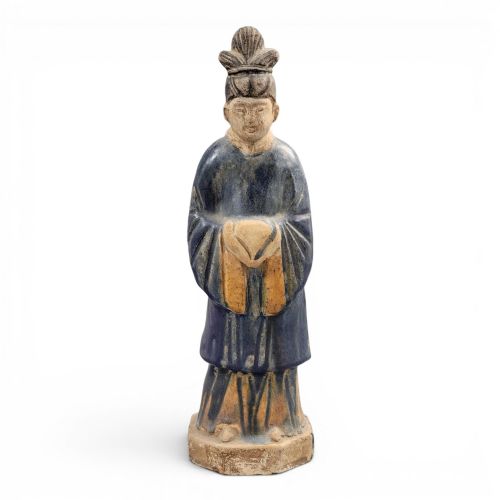


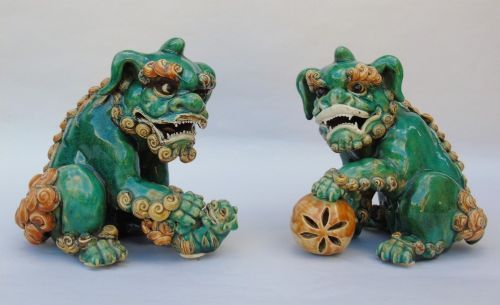


Chinese Glazed Pottery Figure
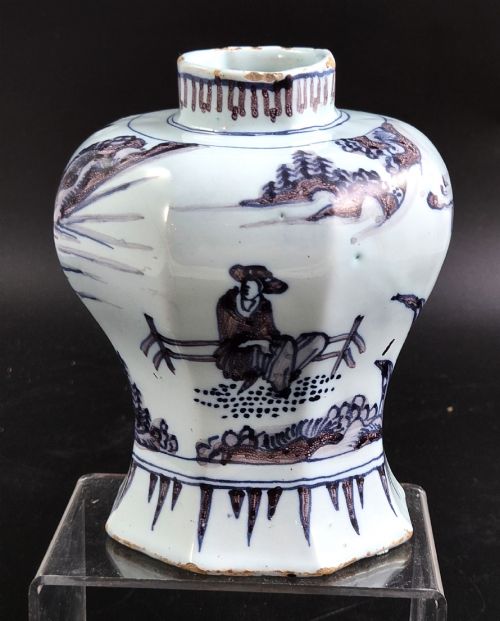
These Chinese glazed pottery figure pieces bring colourful historical presence into a room, spanning periods from pre-sixteenth century works to the twentieth century.
Chinese Glazed Pottery Figure
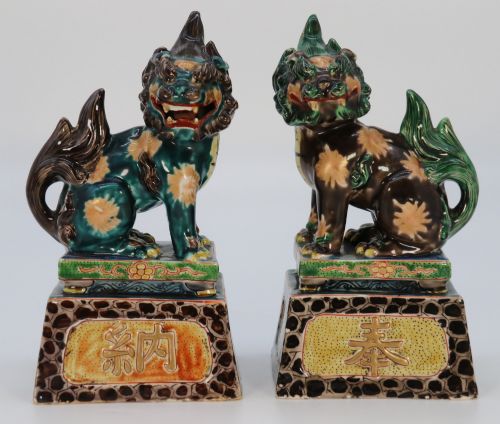
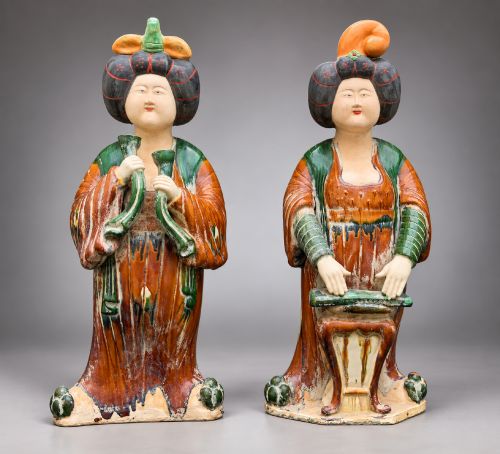
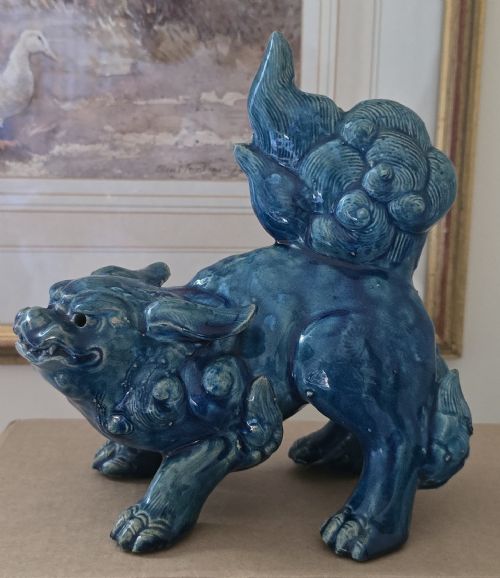
A Chinese glazed pottery figure encompasses decorative objects, figurines, and ceramic sculptures modelled after historical forms and dynastic traditions. You will encounter pieces ranging from Tang Dynasty style sancai glazed musicians and horses to late nineteenth century Shiwan tiger and lion dog sculptures.
Buyers frequently find pairs of Buddhist lions, musical bands, and individual funerary or decorative figures. These works combine modelled earthenware, terracotta, or porcelain with distinct lead and multi-coloured glazes.
Materials and construction methods
Makers shaped these works primarily from earthenware, terracotta, and ceramic bodies, occasionally utilising porcelain and stoneware. The clay forms were then finished with various glazes, notably sancai multi-coloured lead glazes and turquoise or yellow washes.
Techniques relied on traditional moulding and hand-modelling methods suited to utilitarian and decorative pottery production. Artisans applied coloured mineral glazes that pooled and reacted during the firing process to create characteristic surface variations.
Chinese Glazed Pottery Figure Retail Price Guide 2026
Typical asking prices for chinese glazed pottery figure among the pieces listed under this phrase on Sellingantiques today, from the lower quarter to the upper quarter. They describe what is for sale here now, not the wider market.
Materials represented include earthenware, terracotta, porcelain, stoneware, and lead glaze.
Distinctions in quality
Quality rests upon the crispness of modelling in the clay body and the control of the glaze application. Finer examples display lively detail in facial expressions and drapery, alongside rich, evenly distributed glaze coloration.
The relationship between the underlying form and its historical style determines the visual success of each piece. Superior items maintain strong sculptural presence and harmonious proportions, whether executed in a Tang style or during the late Qing period.
Gao Hengsheng
The Chinese Glazed Pottery Figure Glossary
- Sancai
- Three-colour glaze technique traditionally utilising amber, green, and creamy white tones. This lead glaze style is particularly associated with Tang Dynasty funerary wares and later revival pieces.
- Shiwan pottery
- Ceramic ware originating from the Shiwan kilns near Guangzhou, known for expressive figurative sculptures and heavy, vibrant glazes. These pieces often date from the late nineteenth century.
- Foo Dog
- Traditional guardian lion sculpture placed to protect a space. In ceramic pieces, they appear with stylized mannes and playful or fierce expressions.
- Famille rose
- Palette of opaque enamel colours introduced in the Qing Dynasty, dominated by pink or rose enamel. It decorates earthenware and porcelain forms.
- Terracotta
- Fired unglazed or glazed clay body varying in tone from pale buff to deep reddish brown. It forms the structural base for many sculptural figures.
Chinese Glazed Pottery Figure: Frequently Asked Questions
How do I date a Chinese glazed pottery figure?
Dating relies on stylistic markers, clay characteristics, and glaze types that align with periods such as the Tang style or late nineteenth century production. Makers often adopted historical motifs from earlier dynasties.
Examining the base and the interaction of the glaze helps distinguish original historical pieces from later revival works produced in the early twentieth century.
Where were these ceramic figures displayed?
Figures such as court attendants, musicians, and animals served as funerary objects in early tombs or as auspicious decorative displays in homes. Pairs of guardian lions were traditionally placed near entrances.
Today, collectors place these sculptures on mantels, sideboards, or dedicated display cabinets where their coloured glazes catch the light.
What is the difference between sancai and turquoise glazes?
Sancai glazes combine amber, green, and white lead-based colours that run and mingle during the firing process. This creates a mottled, characteristic surface seen on many Tang style horses and figures.
Turquoise glazes provide a bright, uniform monochromatic blue-green surface finish, frequently found on later Shiwan and Meiji period animal sculptures.
How should I care for glazed pottery sculptures?
Keep pottery figures out of direct sunlight to protect the surface glazes from fading over time. Dust gently with a soft, dry brush.
Avoid using water or cleaning solutions on older earthenware bodies, as moisture can penetrate porous unglazed areas and cause damage.