




Chinese Glaze Vase Lamps
Chinese glaze vase lamps bring centuries of ceramic artistry into domestic lighting through converted vessels from the 18th century onward.
Chinese Glaze Vase Lamps
These pieces combine antique ceramic vessels with modern electrical fittings to serve as table lamps. The selection centres on forms adapted during the 19th century and early 20th century, including baluster shapes and twin-handled profiles.
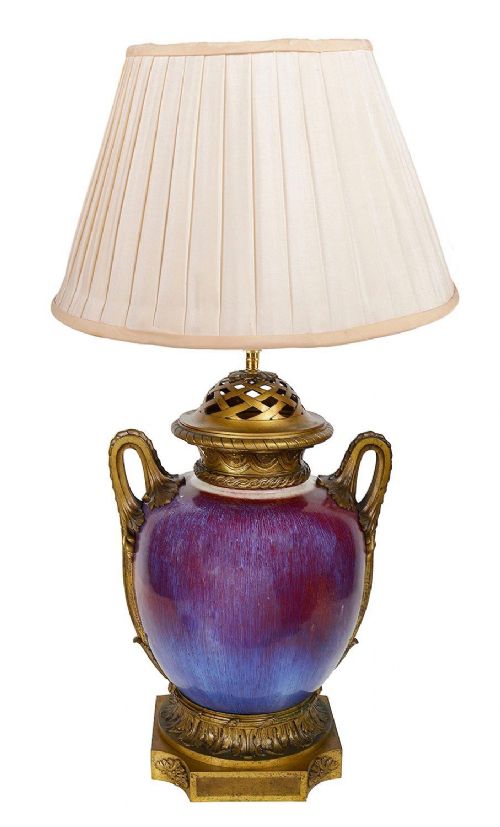
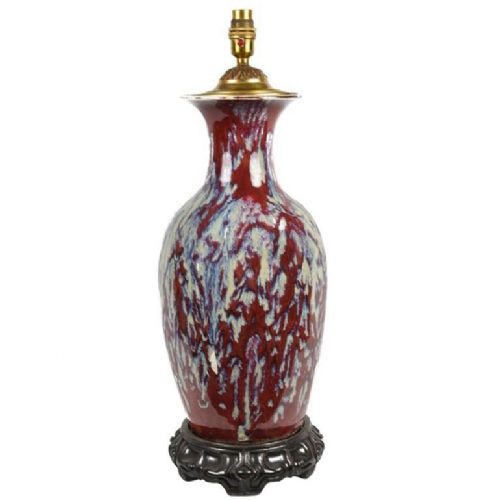
Buyers encounter an array of surface treatments reflecting Qing Dynasty traditions and Chinese Export aesthetics. Celadon, sang de boeuf, flambe, and crackleware glazes dominate the physical evidence across these table lamps.
Origins span 18th-century pieces through to items dated around 1920 and 1930. The typical composition pairs a porcelain body with mounts in brass, ormolu, wood, or marble.
Materials and construction
The primary bodies utilise porcelain and ceramic fired with specialised monochrome or polychrome glazes such as blue and white, yellow and green ground, and famille rose. Potters achieved these finishes through controlled kiln atmospheres and mineral colorants.
Metalwork mounts in brass and ormolu often secure the base or collar, while wooden and marble elements provide structural support. Fabric shades complete the conversion of these former vases into functional lighting.
Materials documented across these listings include porcelain, ceramic, brass, ormolu, wood, marble, fabric, and various glazes.
Judging the work
Quality rests in the depth and consistency of the glaze, whether handling the rich red tones of sang de boeuf or the subtle green of celadon. Superior examples display controlled crackle patterns and crisp underglaze decoration without distracting surface blemishes.
The harmony between the ceramic vessel and its mounting hardware dictates overall success. Finer pieces integrate brass, ormolu, wood, or marble bases respectfully, preserving the integrity of the original porcelain body.
The Chinese Glaze Vase Lamps Glossary
- Celadon
- A pale green jade-like glaze originating in China. This transparent green finish results from iron oxide in the glaze recipe interacting with a reduction kiln atmosphere.
- Sang de boeuf
- A rich ox-blood red glaze developed in Chinese kilns during the Qing period. Copper oxides fired at high temperatures produce these deep crimson and mottled red tones.
- Crackleware
- Pottery featuring a network of fine decorative cracks intentionally formed in the glaze. The lines often receive dark staining to accentuate the geometric pattern across the surface.
- Baluster
- A vase form with a rounded lower body that tapers toward a narrow neck and flared rim. This classic silhouette provides stable proportions ideal for table lamp conversions.
- Famille rose
- A palette of opaque enamels dominated by pink or rose colours introduced during the Qing Dynasty. Artisans applied these pigments over the glaze to create detailed floral and figurative scenes.
Chinese Glaze Vase Lamps: Frequently Asked Questions
What periods do these lamps come from?
The available pieces span several eras, including the 18th century, Victorian period, and the early 20th century up to 1930. Many items originate from the 19th century under Qing Dynasty stylistic influences.
Craftsmen later adapted these antique ceramic vessels into lamps, combining historical porcelain bodies with contemporary electrical wiring and hardware.
How do I identify different glaze types?
Glazes range from the soft green of celadon to the deep red of sang de boeuf and the mottled tones of flambe. Blue and white pieces and yellow and green ground designs offer further visual distinction.
Crackleware exhibits a characteristic web of fine lines across the ceramic body, while famille rose introduces opaque enamel decoration in pink hues.
What materials support these vase lamps?
Porcelain and ceramic form the main body of every lamp, paired with mounting elements made from brass, ormolu, wood, and marble. Fabric components typically make up the lampshades.
These auxiliary materials provide stable bases and structural collars that secure the electrical fittings without damaging the antique ceramic.
Are these lamps converted from old vases?
Yes, these items originate as Chinese vases that have undergone conversion into table lamps. The process incorporates electrical components while retaining the original ceramic body and glaze.
This method allows historical porcelain from periods like the 18th and 19th centuries to function as practical interior lighting.