
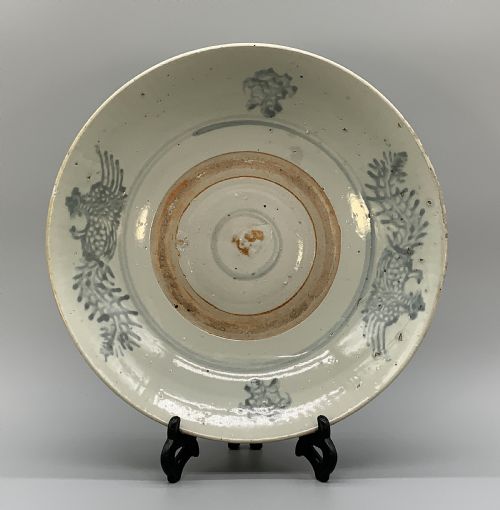


Chinese Export Plate
These pieces of chinese export plate are hard-paste porcelain dishes and chargers made in the East for Western markets, carrying centuries of trade history into modern rooms.
Chinese Export Plate
A chinese export plate bridges Eastern ceramic tradition and Western dining habits through forms such as round plates, octagonal soup plates, warmers, and large chargers.
The pieces span centuries from the Ming and Qing dynasties down to the nineteenth century, reflecting long-running trade routes between China and Europe.
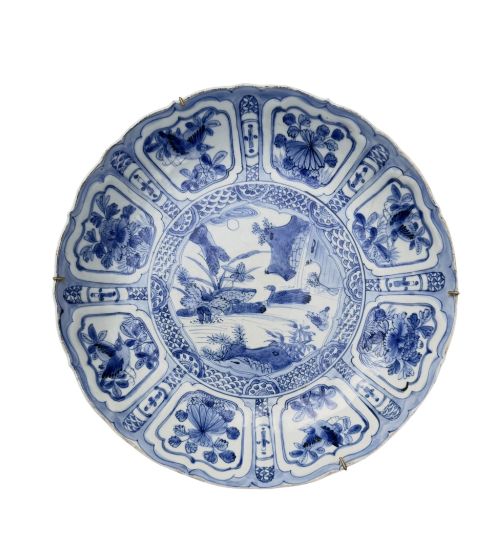
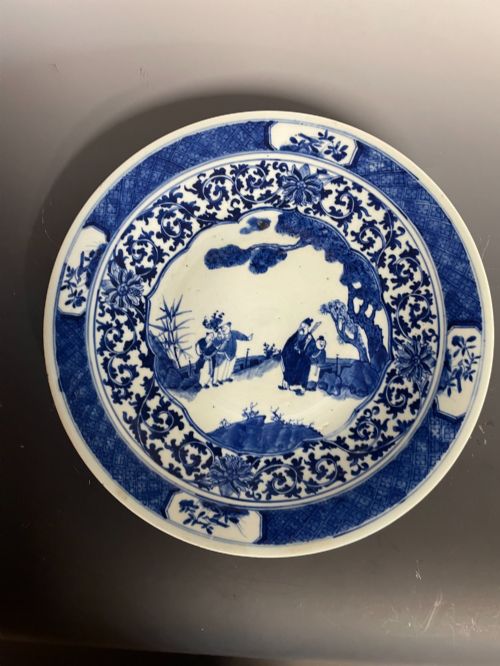
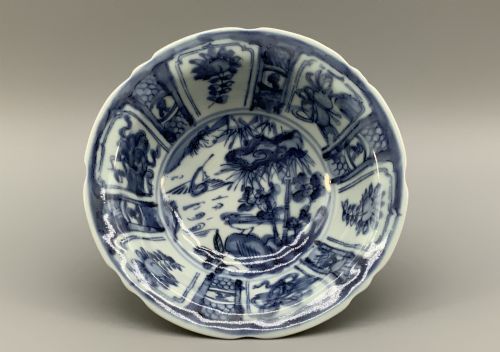
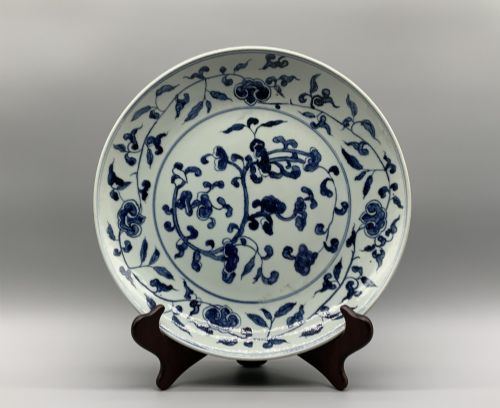
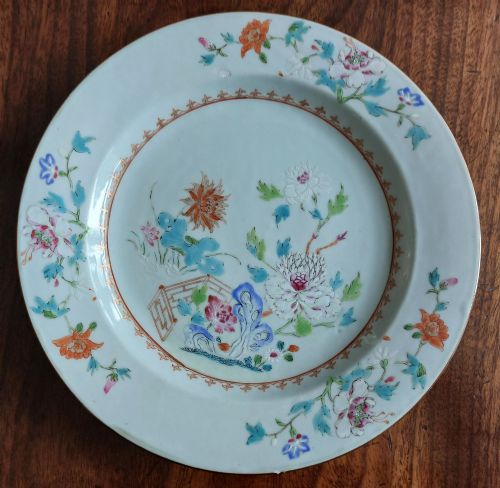
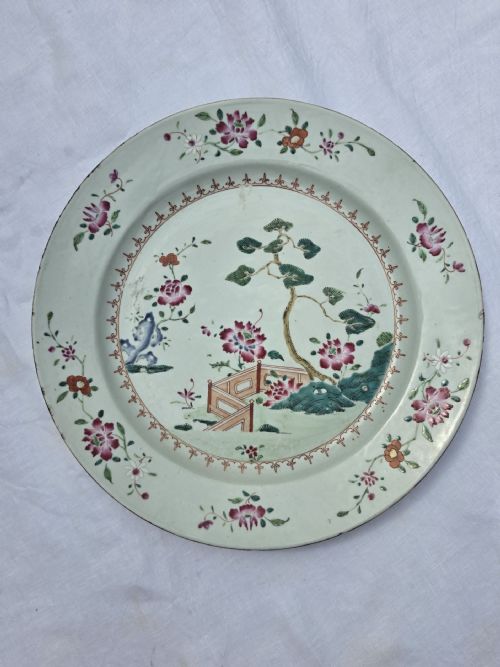
Buyers meet examples decorated with cobalt underglaze blue, armorial crests, or vibrant famille rose enamel palettes intended originally for European tables.
Material and Technique
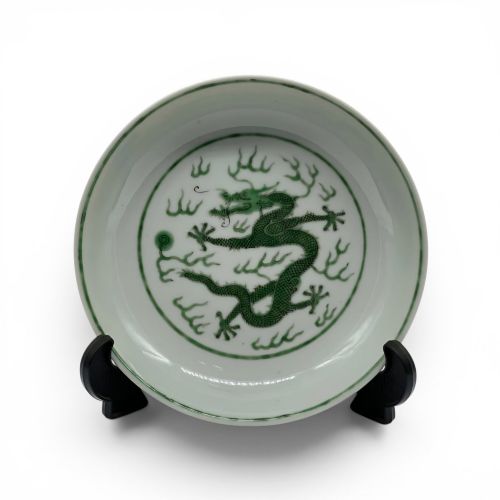
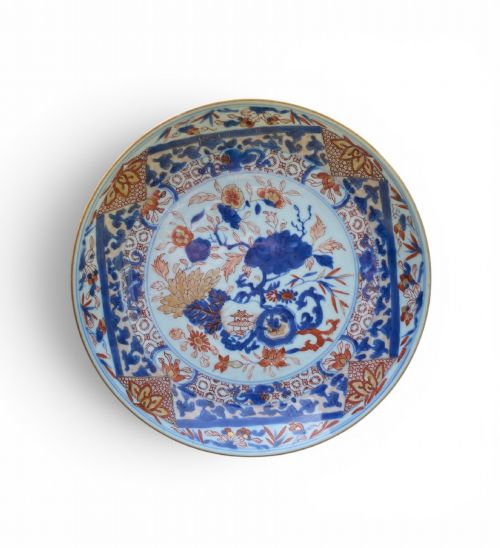
Potters built these wares using hard-paste porcelain, painted the designs with cobalt underglaze or overglaze enamel, and frequently added gold leaf or gilt highlights.
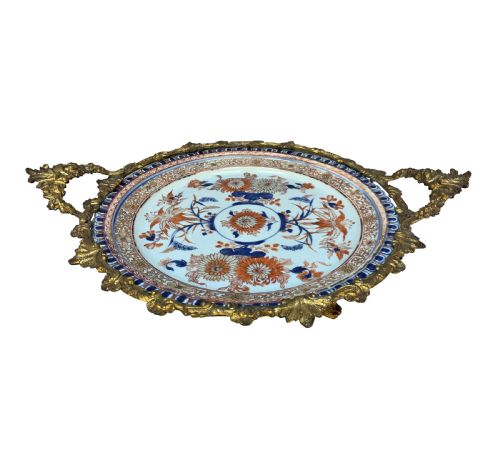
Certain items received European additions, such as French rococo or ormolu mounts, combining Asian porcelain bodies with Western metalwork.
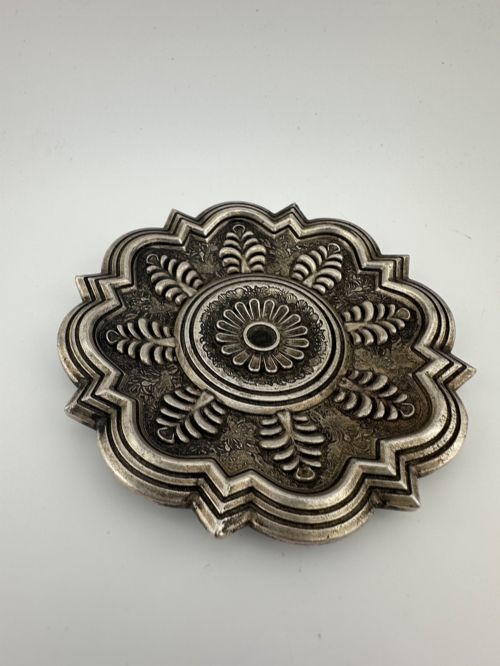
Listings for chinese export plate include examples from the Ming Dynasty, Kangxi period, and Qianlong era in porcelain, bronze, and silver.
Quality and Execution
The fineness of the painting on a chinese export plate separates standard export production from masterwork pieces commissioned by noble houses.
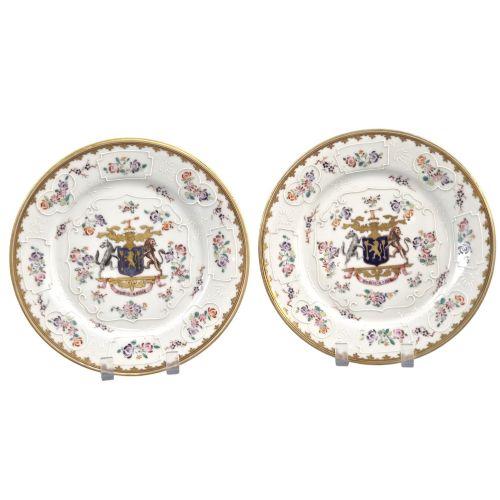
Armorial plates with hand-painted coats of arms and specific family crests display superior detail in heraldry and enamel work compared to generic floral motifs.
Edmé Samson & Cie·C.J. Mason
The Chinese Export Plate Glossary
- Famille Rose
- A palette of opaque overglaze enamels dominated by pink or rose colours, introduced during the Qing dynasty. It allowed artists to render delicate floral and figural scenes.
- Armorial
- A term for porcelain decorated with a specific European family coat of arms or crest. These services were custom ordered through trading companies.
- Hard-paste
- A dense, true porcelain made from petuntse and kaolin fired at high temperatures. It produces a ringing tone when struck and resists scratching.
- Cobalt Underglaze
- Pigment applied to the raw clay body before glazing and firing, producing deep blue designs that sit beneath a clear glass surface.
Chinese Export Plate: Frequently Asked Questions
What is a chinese export plate?
A chinese export plate is a porcelain dish made in China specifically for export to Western markets, particularly during the eighteenth and nineteenth centuries.
These pieces combine traditional Eastern ceramic techniques with Western shapes and heraldry to satisfy European demand for fine dining wares.
How were armorial plates used?
Armorial plates were commissioned by wealthy European families to display their specific coats of arms during formal dining.
They served as status symbols on the table, signalling the owner's global trade connections and wealth to guests.
How do I date a piece?
Dating relies on examining the painting style, enamel colours, reign marks, and the characteristics of the porcelain body.
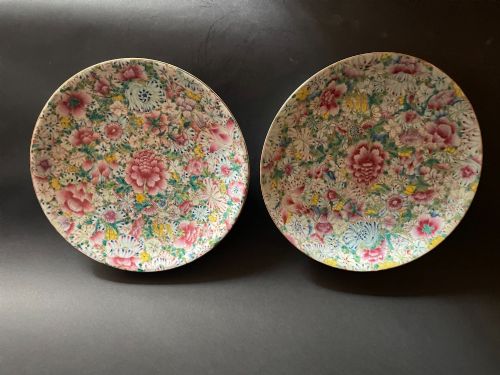
Eighteenth-century pieces often feature famille rose palettes or cobalt underglaze, while nineteenth-century items display denser Canton or Rose Medallion patterns.
Can I display them on walls?
Many collectors display chargers and plates on walls using proper unabrasive brass hangers designed for porcelain edges.
This method keeps the decorative motifs visible while protecting the glazed surfaces from table wear.