





Chinese Export Figures
These chinese export figures bring historic workshops into your rooms, offering porcelain, enamel and carved wood forms made for foreign markets.
Chinese Export Figures
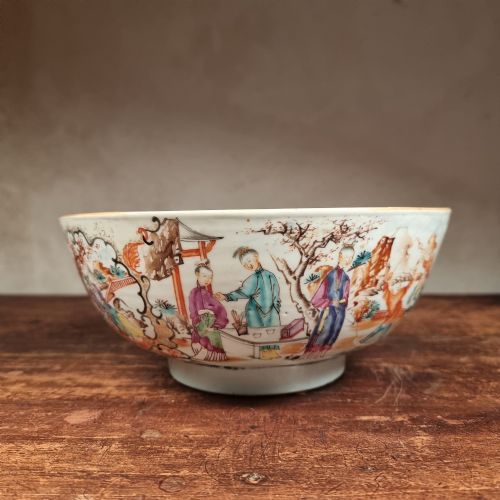
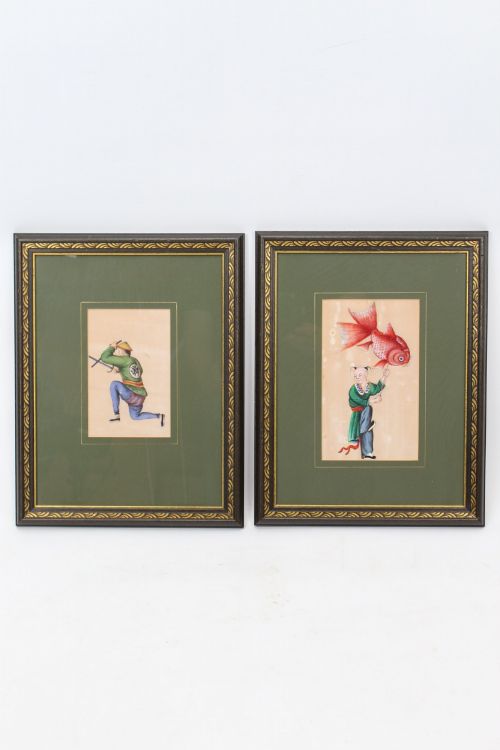
When you search for chinese export figures, you look at decorative objects created in workshops for international trade during periods such as the Qing Dynasty and the 18th and 19th centuries. The objects recorded here range from porcelain figures and animal statues to painted works on pith paper and framed artwork.
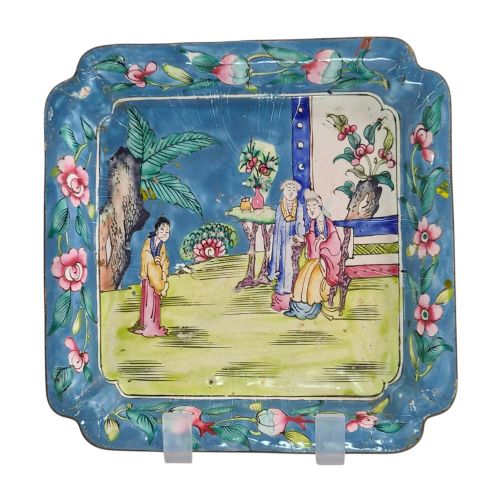
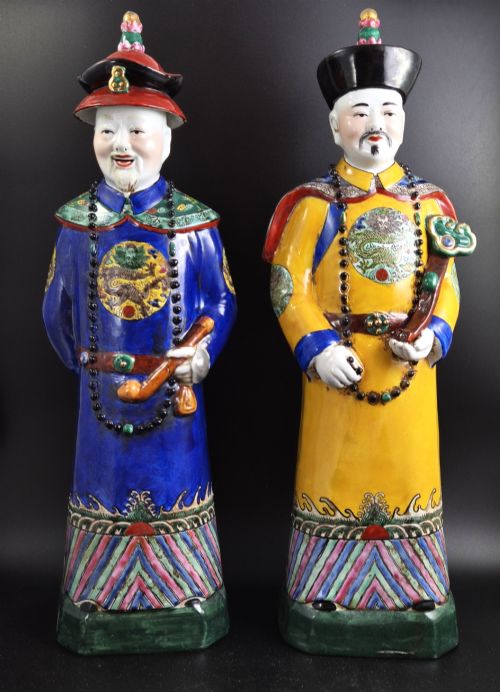
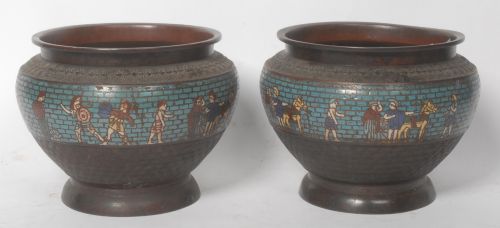
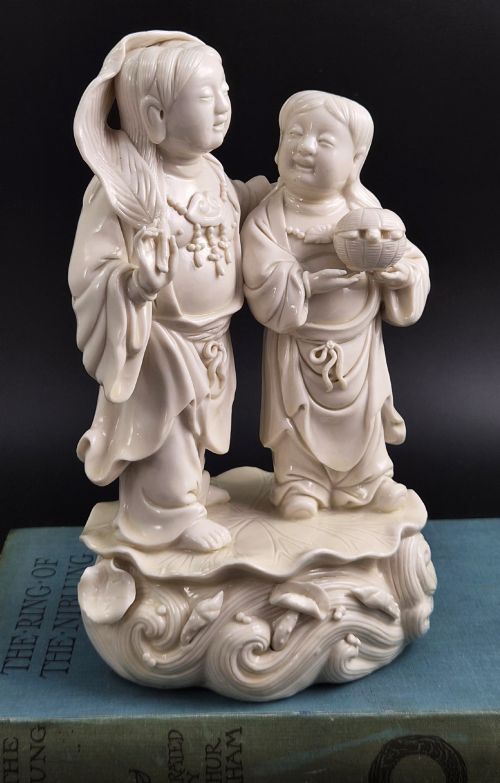
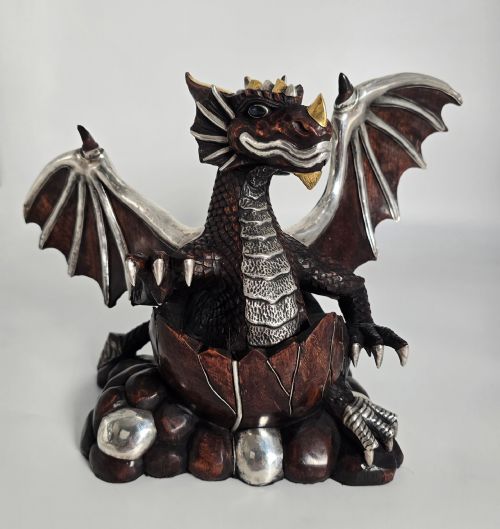
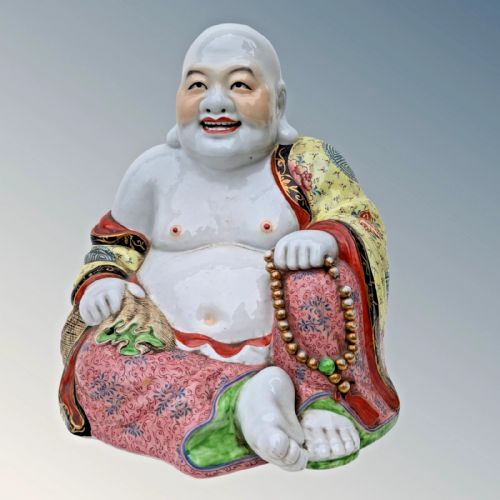
Porcelain examples dominate the selection, showing deities, immortals, and animals finished in glazes like Famille Rose, Famille Verte, and Sancai. You also encounter works in wood, bronze, and enamel, reflecting the wide range of materials exported over several centuries.
How they were made
Makers utilised ceramic materials moulded and fired in kilns, applying coloured glazes such as enamel, turquoise, and blue and white pigment before a final firing. Artisans also worked with hardwoods, soapstone, and bronze, using carving and metal mounting techniques.
Flat works on paper utilised pith paper and gouache, requiring delicate brushwork to render scenes and figures. Glaze application and hand-painting defined both the sculptural forms and the painted panels.
Chinese Export Figures Retail Price Guide 2026
Typical asking prices for chinese export figures among the pieces listed under this phrase on Sellingantiques today, from the lower quarter to the upper quarter. They describe what is for sale here now, not the wider market.
Among the menagerie of export animals, watchful cockerels and glazed ducks sit alongside immortal figures and laughing Buddhas.
What varies in quality
The preservation of the material surface, whether the pristine state of porcelain or the natural patina on carved wood and soapstone, shapes the character of each piece.
The Chinese Export Figures Glossary
- Famille Rose
- A palette of opaque pink and rose enamels introduced in the Qing Dynasty. It allows for soft gradations of colour on porcelain figures and vessels.
- Pith paper
- A traditional material formed from the pith of the Tetrapanax papyrifer plant. Artists painted intricate watercolours and gouache scenes upon its absorbent surface.
- Sancai
- A three-colour glaze tradition utilising amber, green, and cream tones. It appears frequently on ceramic animal figures and vessels.
- Qing Dynasty
- The final imperial dynasty of China, spanning from the seventeenth to the early twentieth century. Many export ceramics and sculptures date from this extensive era.
Chinese Export Figures: Frequently Asked Questions
What are chinese export figures?
They are decorative objects, statues, and painted works produced in China specifically for overseas markets over several centuries.
They encompass porcelain deities, animal figurines, and framed paintings created using traditional local materials and techniques.
How were chinese export figures used?
They served primarily as ornamental display pieces in European and Western interiors, reflecting contemporary taste for Eastern craftsmanship.
Certain items, such as card cases or snuff boxes, combined decorative carved surfaces with practical functions.
How do I identify the period of a figure?
Dating relies on stylistic markers, specific glaze palettes such as Famille Rose or Sancai, and imperial reign periods mentioned in marks.
Comparing the modelling style and material characteristics against documented examples helps establish the era of manufacture.
How should I care for these materials?
Porcelain and enamel items require gentle dusting with a soft, dry cloth to protect their glazed surfaces.
Fragile works on pith paper or carved wood need protection from direct sunlight and sustained moisture to prevent degradation.