

Chinese Export Dish
A chinese export dish brings centuries of global trade and fine ceramic or silver craftsmanship straight to a modern table.
Chinese Export Dish
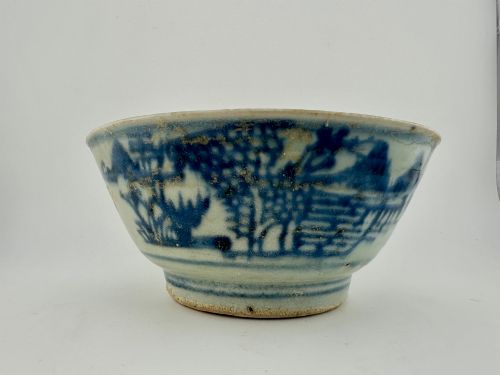
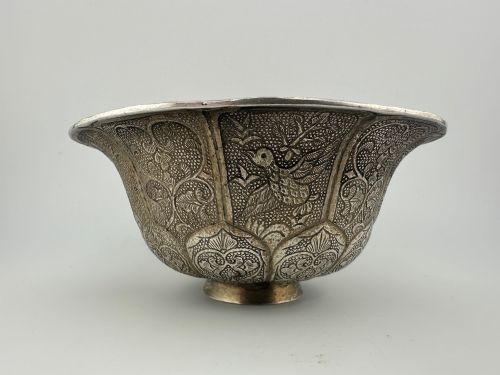
When searching for a chinese export dish, a buyer encounters a diverse array of utilitarian and decorative objects made for Western markets across multiple centuries. The selection ranges from shallow porcelain plates and deep chargers to silver coin dishes and metal vessels.
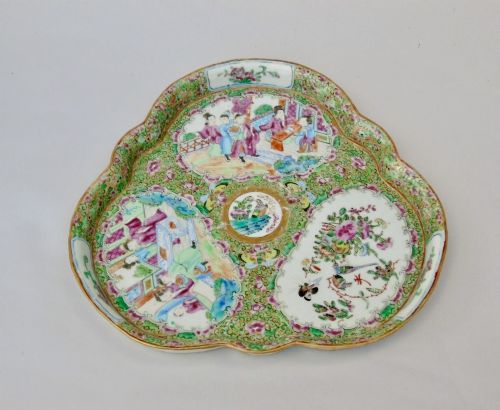
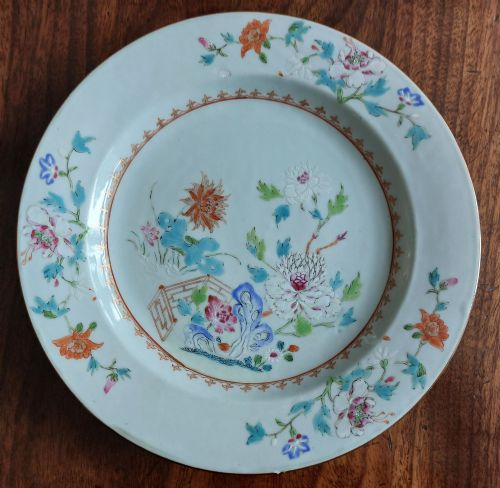
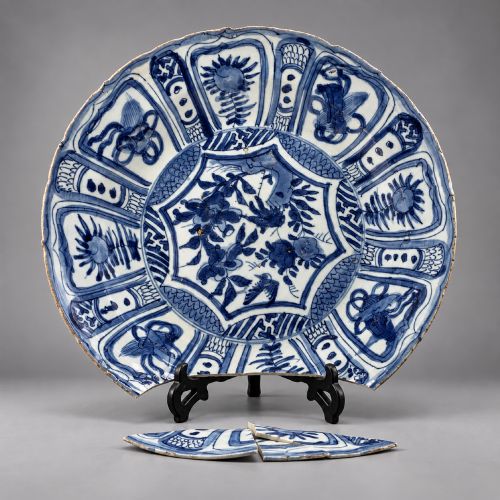
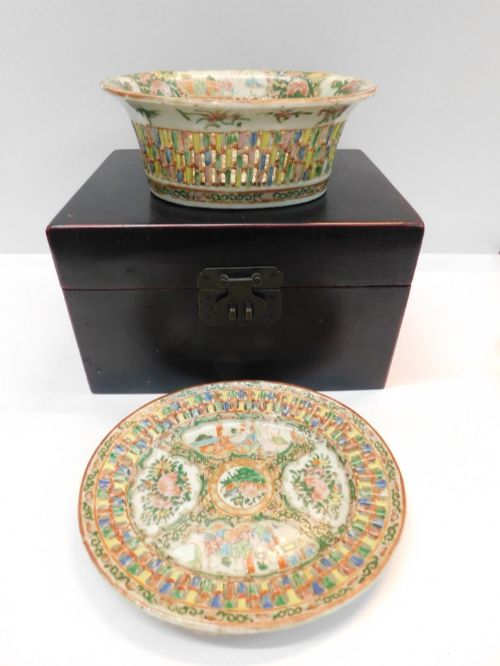
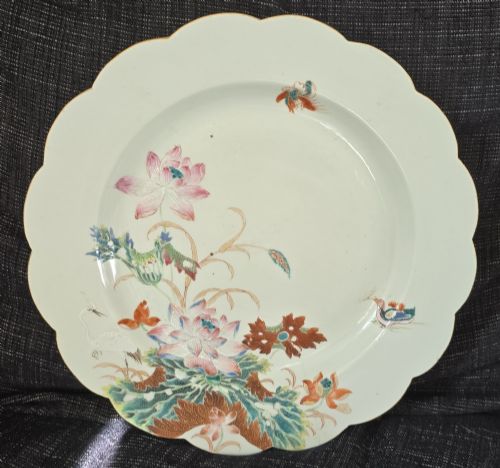
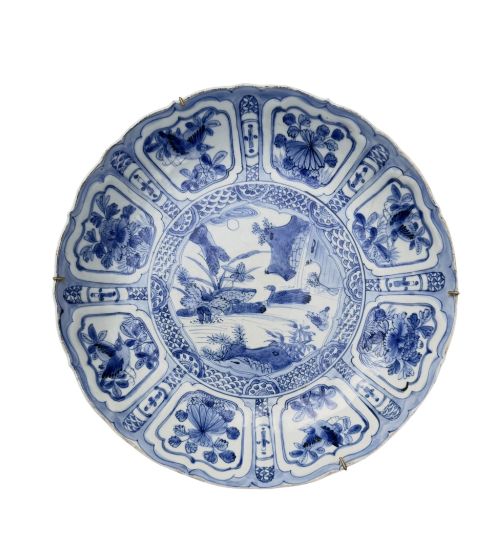
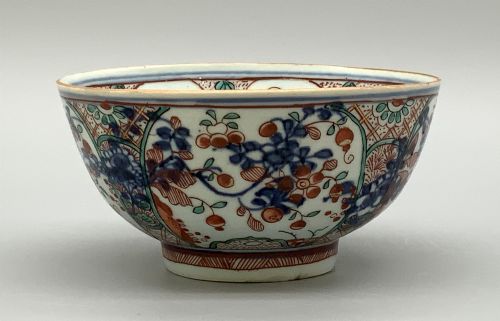
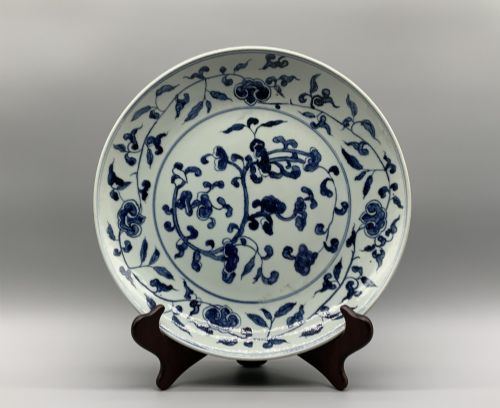
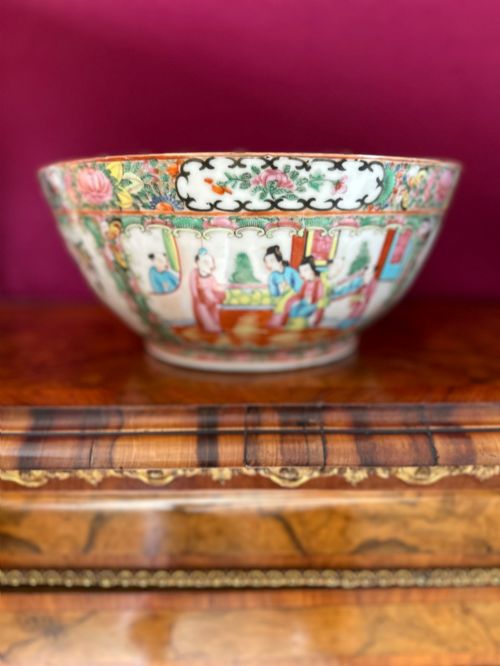
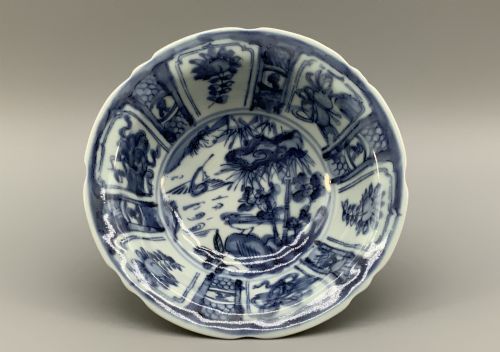
Most pieces date from the eighteenth and nineteenth centuries, spanning the Qing Dynasty and periods of extensive international commerce. These items include blue and white chargers, Imari platters, and Famille Rose tableware created in kilns for export.
Forms vary from simple round plates to lobed bowls, pedestals, and shell-shaped serving dishes. Certain examples feature European mounts in ormolu or incorporate foreign coinage into silver trays.
Materials and production methods
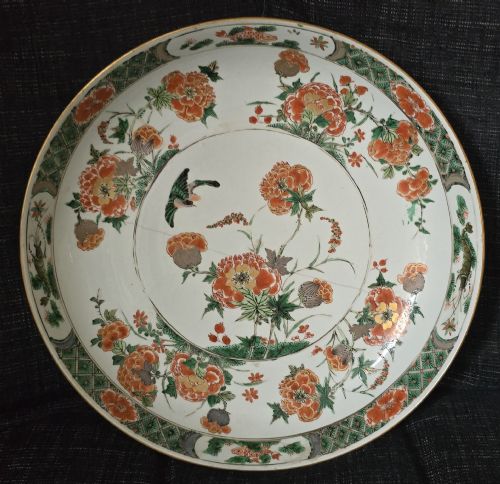
Artisans relied heavily on fine porcelain, cobalt underglaze, and enamel painting to achieve intricate pictorial scenes on ceramic surfaces. Kilns produced high-fired porcelain bodies that received detailed hand-painted decoration in palettes such as Famille Rose, Famille Verte, and iron-red.
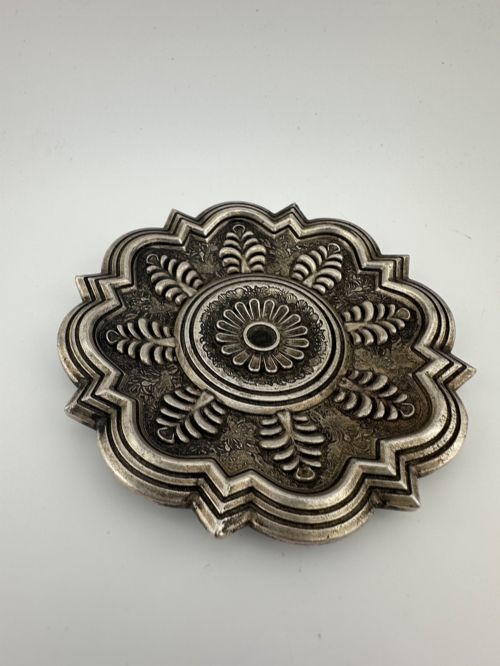
Metalworking played a significant role in export wares, utilising white metal, sterling silver, brass, and bronze alongside gold leaf and gilding. Silversmiths hammered and chased solid silver into naturalistic dragon motifs or integrated trade dollars into coin dishes.
Chinese Export Dish Retail Price Guide 2026
Typical asking prices for chinese export dish among the pieces listed under this phrase on Sellingantiques today, from the lower quarter to the upper quarter. They describe what is for sale here now, not the wider market.
Silversmiths occasionally hammered foreign trade dollars straight into the centre of serving dishes.
Distinctions in craftsmanship and execution
The standard of a chinese export dish rests upon the precision of the hand-painting, the clarity of the cobalt or enamel colours, and the crispness of the porcelain body or metal chasing. Finer examples display meticulous brushwork in complex figural or floral designs without blurring.
Weight and structural balance separate standard production wares from superior items made for imperial or high-end export markets. Integrated elements, such as applied ormolu mounts or detailed silver dragon work, demonstrate advanced artisan skill.
Lee Yee Hing·Wai Kee
The Chinese Export Dish Glossary
- Famille Rose
- A palette of opaque rose-pink enamel introduced in the Qing Dynasty. This colouring allowed artists to render delicate floral and figural compositions with subtle tonal gradations.
- Imari
- A style of ceramic decoration combining underglaze blue with iron-red and gold overglaze. Originating in Japan, this aesthetic was widely adopted by Chinese export kilns.
- Qianlong
- A reigning period during the Qing Dynasty associated with prolific porcelain production. Pieces from this era often display refined enamel work and high technical mastery.
- Swatow Ware
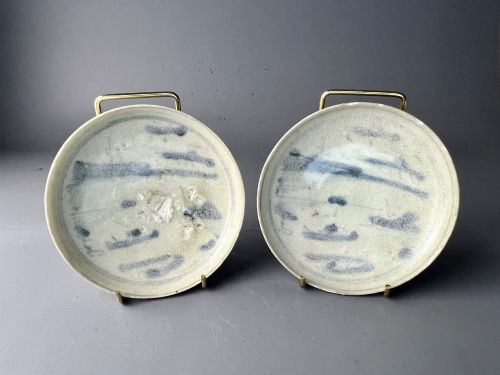
- A category of coarse-bodied Chinese export porcelain made in southern kilns during the late Ming Dynasty. These pieces typically feature bold, spontaneous underglaze blue or polychrome painting.
- Ormolu
- Gilded bronze applied as a decorative mount to ceramic vessels. European craftsmen frequently added these metal mounts to Asian porcelain plates and bowls.
- Sterling Silver
- A silver alloy containing substantial purity utilised by export silversmiths. Workshops fashioned this material into coin dishes, trays, and embossed dragon bowls.
Chinese Export Dish: Frequently Asked Questions
What is a chinese export dish?
A chinese export dish is a ceramic or metal vessel manufactured in China specifically for overseas markets in Europe and the West. These items combine traditional Eastern motifs with shapes and designs tailored to foreign tastes.
Production spanned centuries, resulting in varied pieces from blue and white porcelain plates to sterling silver coin trays. Each item reflects the commercial and artistic exchange of its era.
How do I date a porcelain dish?
Dating relies on examining the characteristics of the porcelain body, the glaze type, and the pigments used in the painted decoration. Reign marks provide a baseline, though later pieces frequently replicated earlier styles.
Stylistic shifts between periods like the Kangxi and Qianlong eras offer further clues. Comparing border designs and potting techniques helps narrow down the century of manufacture.
Were these dishes used daily?
Many ceramic plates and platters served practical functions at dining tables during the eighteenth and nineteenth centuries. Durable porcelain bodies made them suitable for serving food and displaying provisions.
Over time, numerous functional vessels transitioned into purely decorative objects. Silver coin dishes and elaborate bowls were often collected or displayed rather than utilised for dining.
What is Canton porcelain?
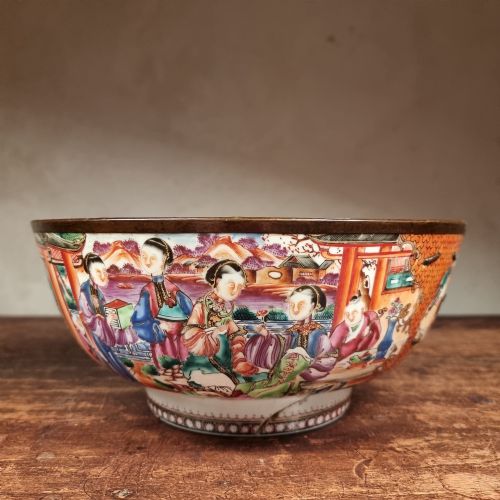
Canton porcelain refers to wares decorated in the trading port of Guangzhou using blank porcelain shipped from interior kilns. These items typically feature crowded panels of figures, birds, and flowers.
The style became immensely popular during the nineteenth century, characterised by bright enamels and gilt accents. Such pieces formed a major component of Western trade during the Victorian period.