




Chinese Export Cloisonne
Chinese export cloisonne brings intricate enamelled metalwork into a room, offering richly patterned decorative objects that anchor a traditional interior scheme.
Chinese Export Cloisonne
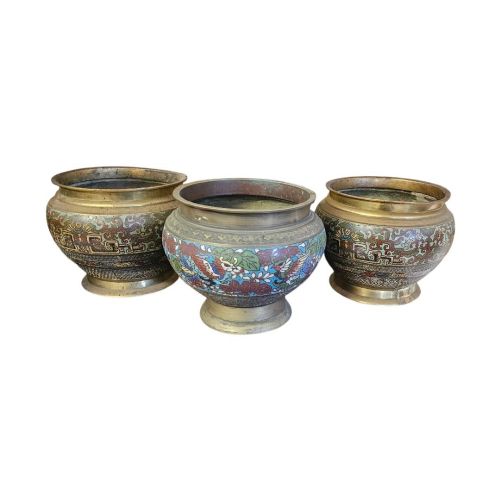
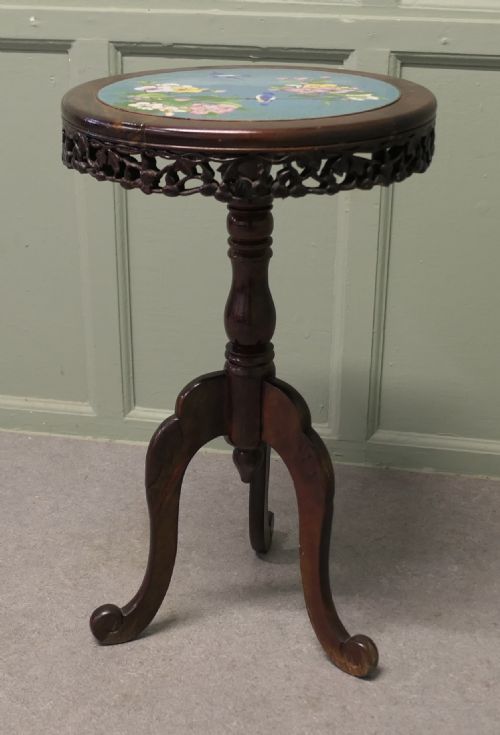
Chinese export cloisonne encompasses a range of decorative objects, from large floor-standing vessels and jardinières to small table boxes, wine tables, and brooches. The selection spans the nineteenth century, including Qing Dynasty and Republic periods, alongside pieces dated around nineteen-thirty and nineteen-ten.
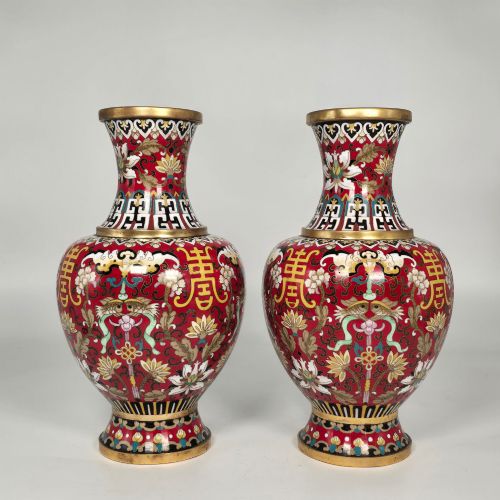
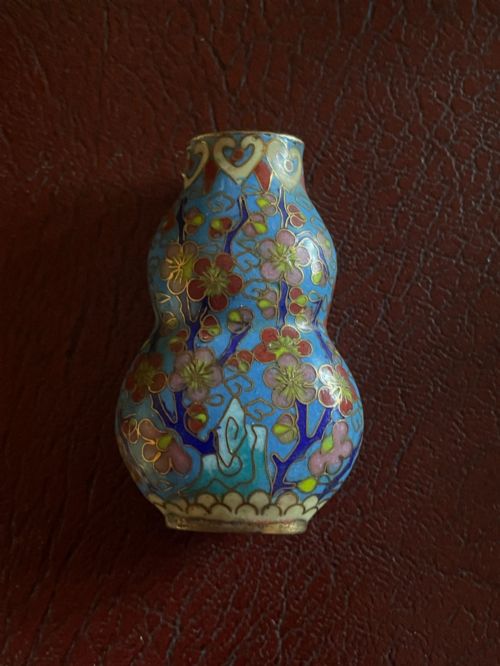
Vessels and vases dominate the forms encountered here, often accompanied by bronze champlevé pieces, silver enamel cigarette boxes, and dragon plaques. Buyers frequently encounter pairs of large-scale vases, alongside smaller miniature vases and conversion table lamps fitted directly from antique bodies.
The style bridges formal Qing Dynasty aesthetics and Western export taste, sometimes blending Chinoiserie motifs with utilitarian forms such as ashtrays and ashtray sets. Hardwood mounts and jade rims occasionally accompany these enamelled copper, brass, and silver pieces.
Materials and construction methods
Workers formed the primary structure of these objects from copper, brass, bronze, or silver, soldering thin metal wires onto the surface to create cellular compartments known as cloisons. These wire outlines map out complex bird, flower, and dragon motifs across the body of each vase, box, or plaque.
Artisans filled the resulting wire cells with coloured enamel pastes before firing the pieces at high temperatures to vitrify the glass-like surface. Subsequent grinding and polishing left the metal wire network flush with the hardened enamel fields, producing a smooth, patterned skin.
Chinese Export Cloisonne Retail Price Guide 2026
Typical asking prices for chinese export cloisonne among the pieces listed under this phrase on Sellingantiques today, from the lower quarter to the upper quarter. They describe what is for sale here now, not the wider market.
Object forms range from large-scale vases and jardinières to delicate butterfly brooches, fish cigarette boxes, and dragon ashtrays.
Distinguishing quality in cloisonne
The precision and fineness of the wirework dictate much of the visual success in these enamelled objects, separating crowded, hurried patterns from disciplined, legible compositions. Thicker, irregular wire grids often point to standard commercial output, whereas tighter cellular divisions allow for intricate pictorial detail in dragons and foliage.
The density and polish of the enamel fill also mark the distinction between ordinary decorative items and masterworks. Smooth, uniform vitrification without pitting or cloudiness requires superior kiln control and finishing, whereas inferior pieces reveal uneven shrinkage and dull surface textures.
The Chinese Export Cloisonne Glossary
- Cloisonne enamel
- A metalworking technique where flat wire is soldered to a metal base to form cells that hold coloured enamel paste. This method creates detailed pictorial surfaces across vases and boxes.
- Champleve
- An enamelled technique where troughs or cavities are gouged directly into a bronze or metal base to hold the coloured paste, rather than soldering wires on top. This creates heavier, deeply recessed decorative patterns.
- Qing Dynasty
- The final imperial dynasty of China, spanning from sixteen-forty-four to nineteen-twelve. Many export items draw directly upon the decorative vocabulary and aesthetic rules established during this era.
- Chinoiserie
- European-derived artistic style that reflects Chinese decorative motifs and artistic traditions. It shaped how many nineteenth-century export items were tailored for Western drawing rooms.
Chinese Export Cloisonne: Frequently Asked Questions
What is Chinese export cloisonne?
Chinese export cloisonne refers to metal objects decorated with soldered wire cells and coloured enamels, produced in China specifically for international markets. These pieces include vases, jardinières, small boxes, and decorative plaques.
They reflect a blending of traditional domestic craftsmanship with the tastes of Western buyers during the nineteenth and early twentieth centuries.
How do I care for cloisonne?
Clean these enamelled metal pieces gently using a soft, dry cloth to remove dust without scratching the polished surface. Avoid harsh chemical cleaners, abrasive pads, or prolonged exposure to moisture.
If the piece incorporates delicate silver filigree or hardwood mounts, handle it with particular care to protect the soldered joints and organic components.
Were these made for daily use?
While items such as ashtrays, cigarette boxes, and wine tables served functional roles in period homes, much of this work was created for display. Vases, plaques, and jardinières functioned primarily as decorative interior ornaments.
Today, they continue to serve as focal points in period rooms or as collector's display pieces rather than working utensils.
How do I date a piece?
Dating relies on stylistic markers, materials, and manufacturing signatures linked to periods like the late Qing Dynasty or the Republic era. Nineteenth-century examples often display heavier bronze or brass foundations with distinct enamel palettes.
Later pieces from the early twentieth century frequently incorporate sterling silver mounts, finer filigree work, or specific structural adaptations like fitted lamp hardware.