



Red Chinese Vase
A red chinese vase brings deep copper and cinnabar tones to a room, ranging from small porcelain vessels to tall lacquer temple jars.
Red Chinese Vase
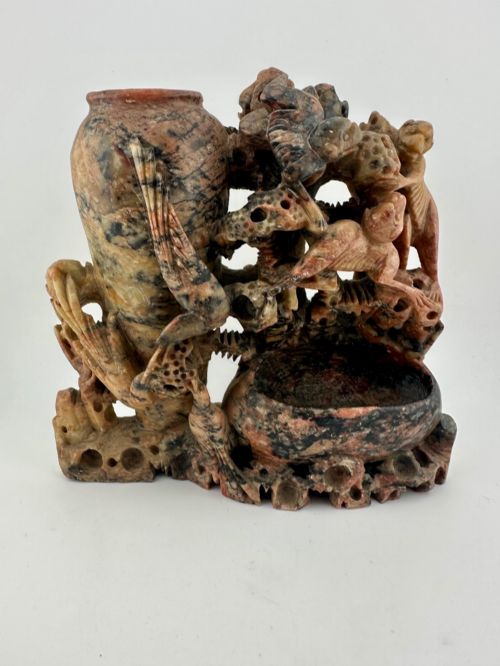
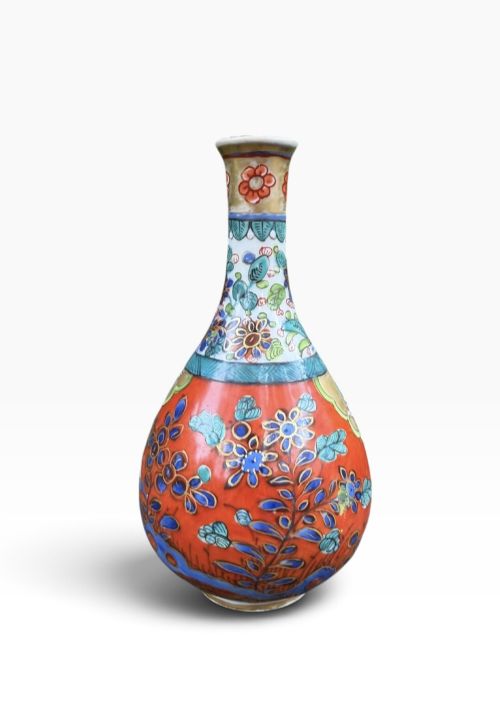
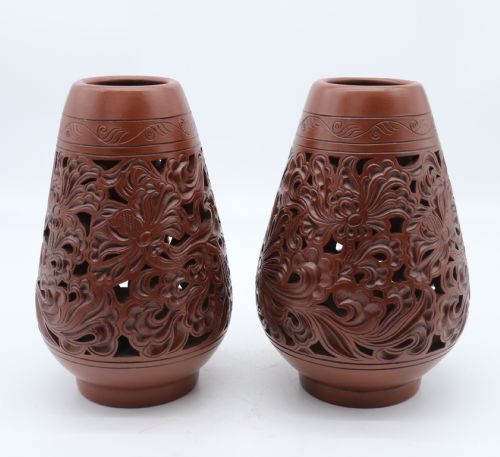
A red chinese vase encompasses various forms like baluster vessels, garlic-mouth shapes, and lidded temple jars created across multiple centuries. When searching for a red chinese vase, buyers encounter porcelain glazed in iron-red or sang de boeuf alongside carved red lacquer pieces.
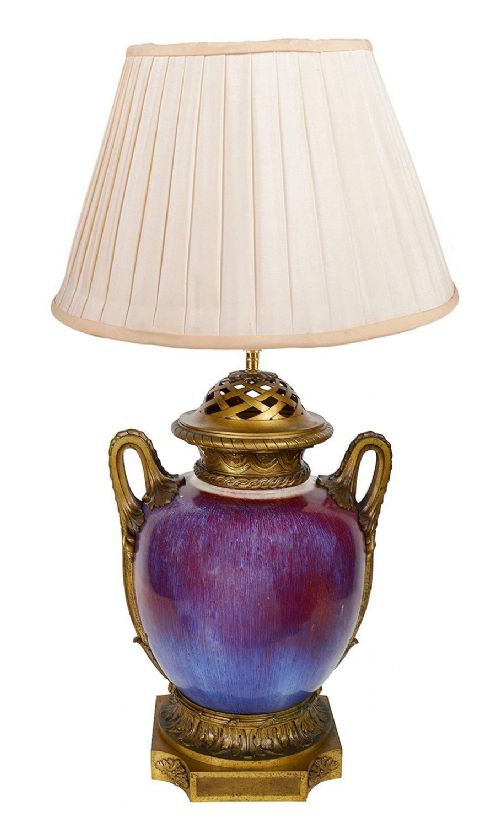
The objects span periods from the Ming dynasty to the late Qing and early Republic eras, reflecting shifting imperial tastes and export demands. Many examples originate from nineteenth-century workshops, often repurposed into table lamps with brass mounts.
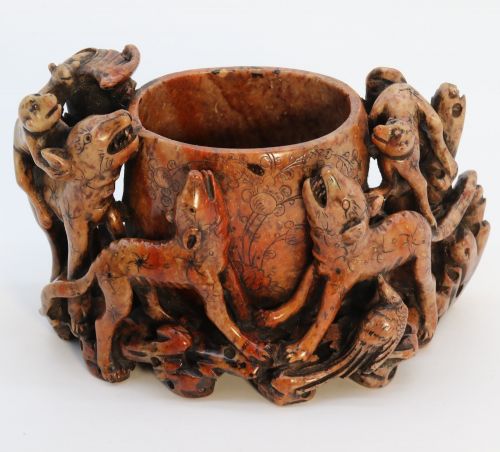
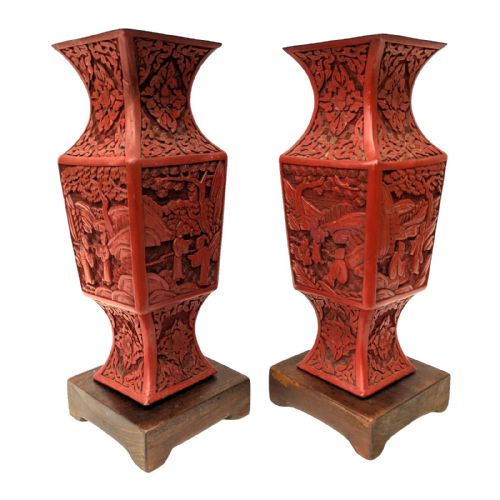
Forms extend beyond simple vessels to include brush pots, candelabras, and decorative jars paired with carved wooden stands. Each piece demonstrates traditional Asian craftsmanship adapted over generations for domestic display.
Materials and construction
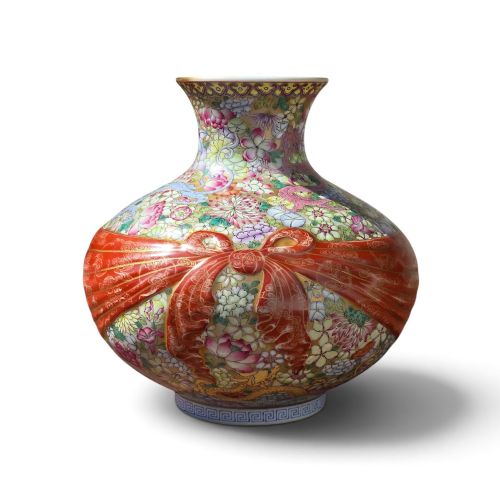
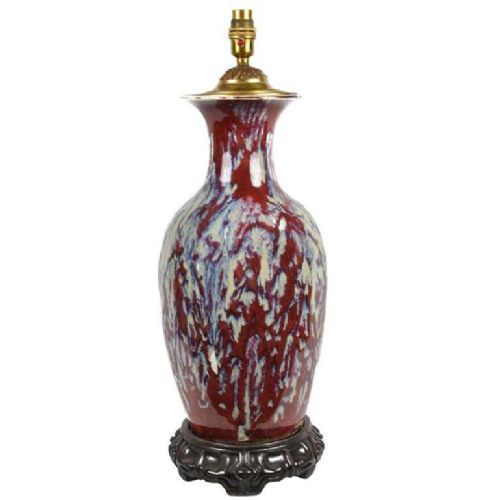
Porcelain serves as the primary base for glazed vessels, utilising copper and iron oxides fired at high temperatures to achieve rich red, sang de boeuf, and flambe colorways. Artisans applied these mineral glazes under or overglaze, sometimes incorporating intricate iron-red ribbon-wrapped motifs or millefleurs patterns.
Cinnabar lacquer pieces involve building up multiple layers of red lacquer over a wooden core before carving intricate figurative or floral designs by hand. Lacquered wood structures also appear in tall temple jars and vase stands.
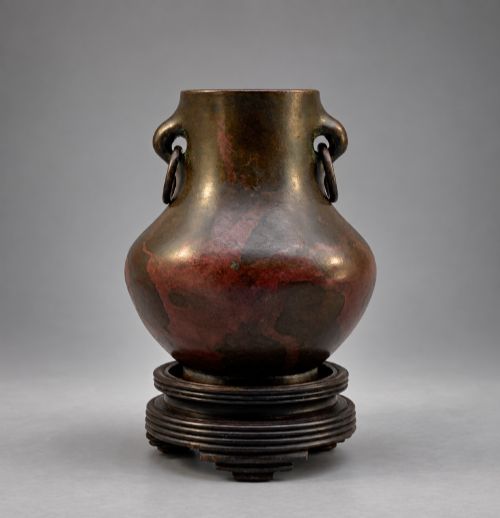
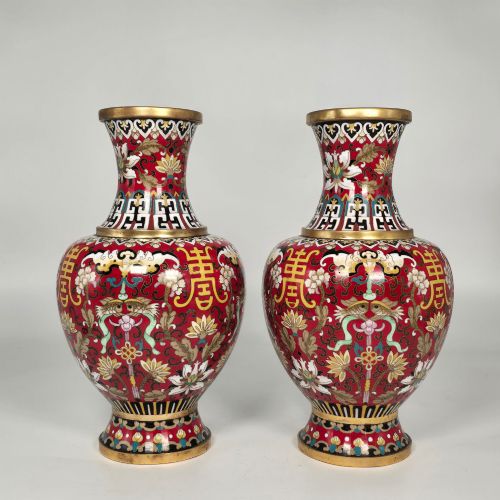
Bronze and brass metals enter the construction through archaistic forms and decorative mounts fitted to nineteenth-century porcelain bodies. Cloisonné examples combine metal wirework with coloured enamels to create patterned surfaces.
Red Chinese Vase Retail Price Guide 2026
Typical asking prices for red chinese vase among the pieces listed under this phrase on Sellingantiques today, from the lower quarter to the upper quarter. They describe what is for sale here now, not the wider market.
One towering temple jar stands over a meter tall, ready to command the corner of a grand room.
Assessing quality and execution
The precision of carved detail distinguishes finer cinnabar lacquer and wooden pieces, where crisp relief work indicates skilled hand execution. Surface depth and uniformity in copper-red or sang de boeuf glazes separate master ceramic firing from uneven results.
Proportion and balance define the silhouette of baluster vases and jars, with superior pieces maintaining harmonious lines between foot, body, and rim. The integration of mounts or conversions requires careful handling that preserves the original vessel structure.
The Red Chinese Vase Glossary
- Sang de boeuf
- A deep ox-blood red porcelain glaze developed through high-temperature copper reduction firings. This rich monochrome finish was highly prized in imperial and export ceramics.
- Cinnabar
- A bright scarlet mineral pigment used to colour thick layers of tree sap lacquer. Carvers cut deep into these layered coatings to reveal intricate reliefs.
- Baluster
- A vase shape featuring a rounded body that tapers toward the base and flares at the neck. This classical silhouette provides stability and proportion.
- Cloisonné
- An enamel technique where metal wires form small compartments on a vase surface. Artisans fill these cells with coloured paste before firing and polishing.
- Archaistic
- A design style that deliberately mimics the forms, motifs, and patinas of ancient bronzes. Craftsmen adopted these antique shapes in later dynasties.
Red Chinese Vase: Frequently Asked Questions
How are these vases converted to lamps?
Many nineteenth-century porcelain and lacquer vessels received brass mounts and electrical wiring during later periods to serve as table lamps. This adaptation allowed fragile decorative objects to function safely in domestic interiors.
Conversion methods typically preserved the main body without drilling where possible, securing fittings through existing mounts or custom hardware.
What is sang de boeuf glaze?
Sang de boeuf is a rich copper-red glaze that produces deep crimson and ox-blood tones on ceramic surfaces. Kiln temperature fluctuations during firing created variations in shading across the vessel body.
This technique required precise atmospheric control in the kiln to achieve the characteristic mottled red depth seen on nineteenth-century pieces.
How do I care for lacquer vases?
Carved cinnabar lacquer and lacquered wood require stable humidity and protection from direct sunlight to prevent drying and cracking. Dusting with a soft, dry cloth is sufficient for routine maintenance.
Avoid using liquid cleaners, solvents, or abrasive cloths that can damage the historical surface layers and intricate carved details.
What is iron-red decoration?
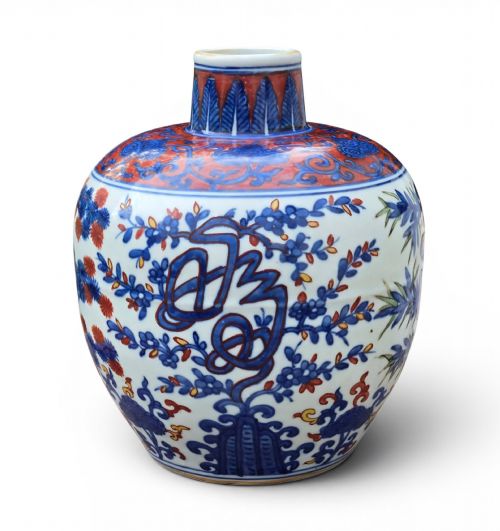
Iron-red is an overglaze enamel colour derived from iron oxide, fired at lower temperatures than copper-red glazes. It produces a distinct brick-red or coral hue often combined with underglaze blue.
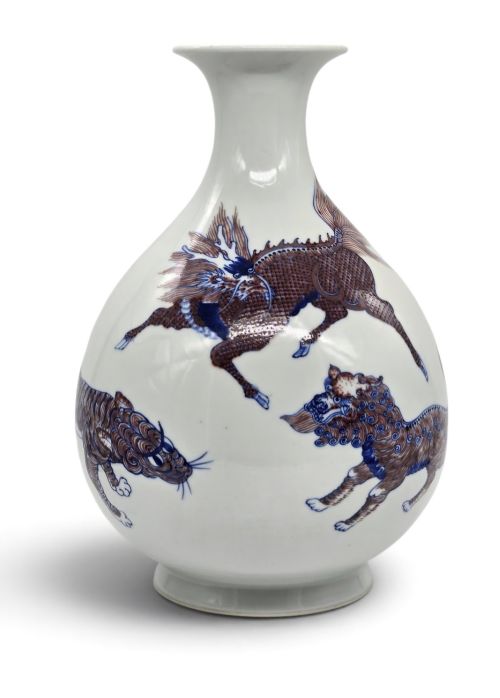
Craftsmen used this pigment to paint fine details, ribbons, and mythical beasts on porcelain during the Qing dynasty.