


Vintage Chinese Enamel
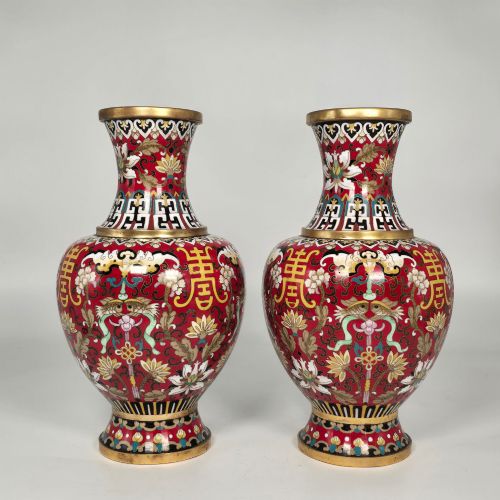
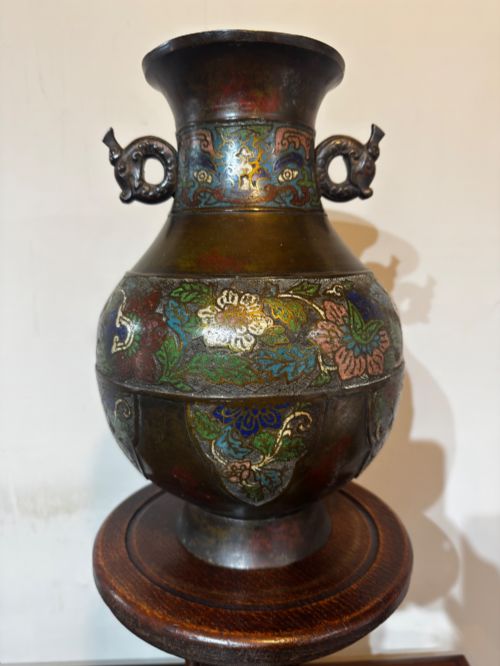
These vintage chinese enamel pieces range from nineteenth-century bronze cloisonné vessels to delicate silver boxes, bringing rich colour and intricate metallic wirework into a room.
Vintage Chinese Enamel
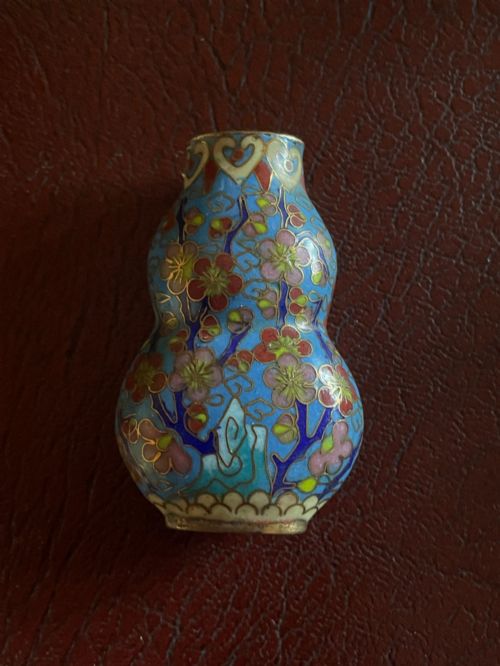
Vintage chinese enamel encompasses a diverse selection of decorative items, spanning vessels, figures, and furnishings created across the nineteenth and early twentieth centuries. When exploring this phrase, collectors encounter various forms, most commonly vases, jardinières, table lamps, and small decorative containers.
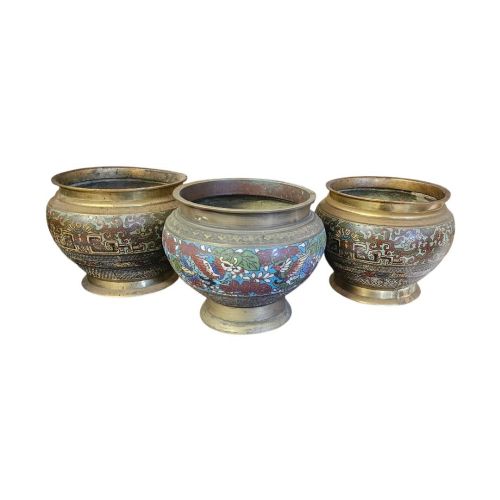
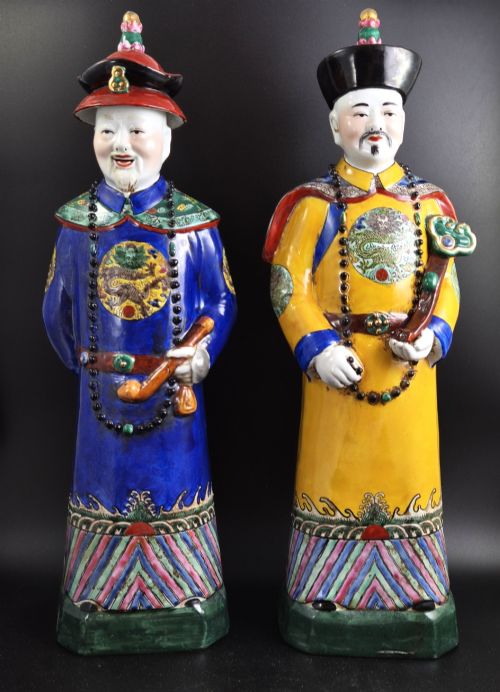
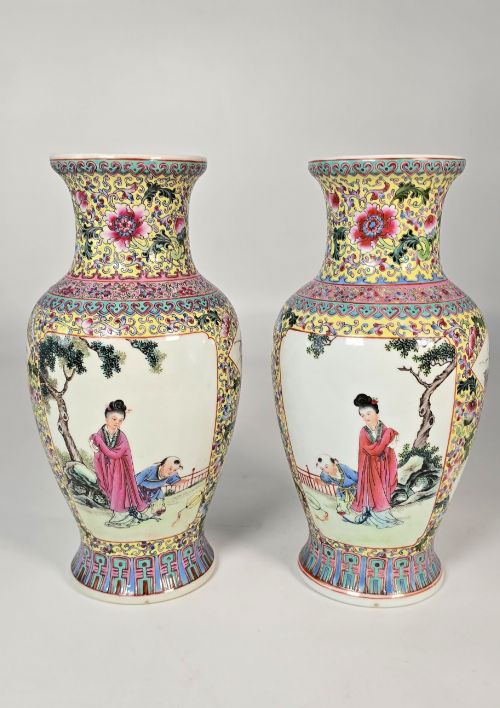
The objects originate from distinct periods, including the late Qing Dynasty and the Republican era, alongside pieces bearing broader Chinese Export and Chinoiserie stylistic influences. While items range from miniature vases to large bronze bowls, the selection frequently includes pairs of cloisonné vessels and hand-painted porcelain figures.
Beyond vessels, the category embraces functional accessories such as silver ashtrays, cigarette boxes, and cruet sets adorned with colourful enamel work. These items demonstrate the breadth of traditional craftsmanship applied to both display objects and utilitarian pieces.
How vintage chinese enamel pieces were made
The creation of cloisonné relies on soldering thin metal wires, typically brass or bronze, onto a metal base to form small cells that hold coloured enamel pastes before firing. Craftsmen polish the hardened surface until the metal outlines and vitreous pastes rest on a single smooth plane.
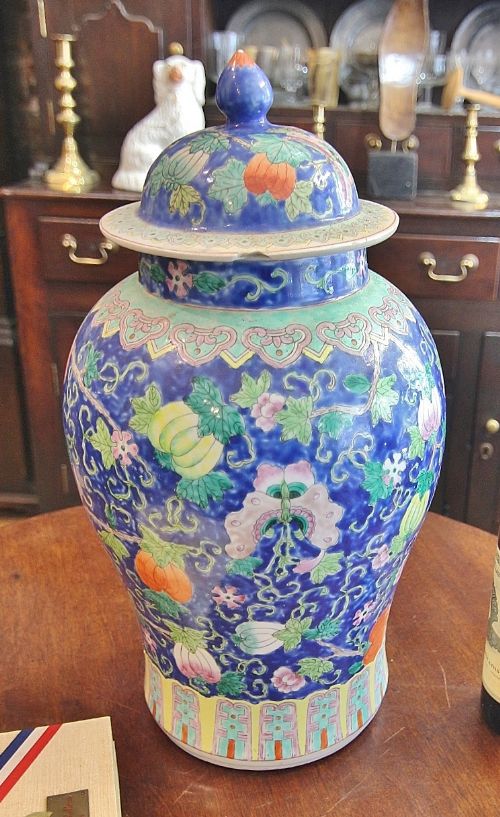
Champlevé technique involves carving troughs directly into a bronze or copper foundation rather than applying surface wires, filling the recessed channels with enamel before firing and finishing. Porcelain pieces utilise painted enamel glazes, including famille rose palettes, applied directly to the fired ceramic body.
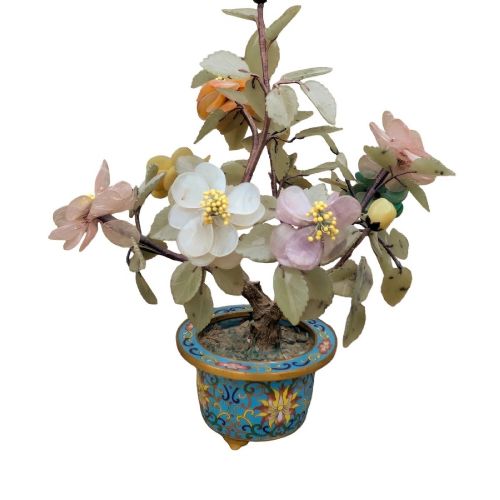
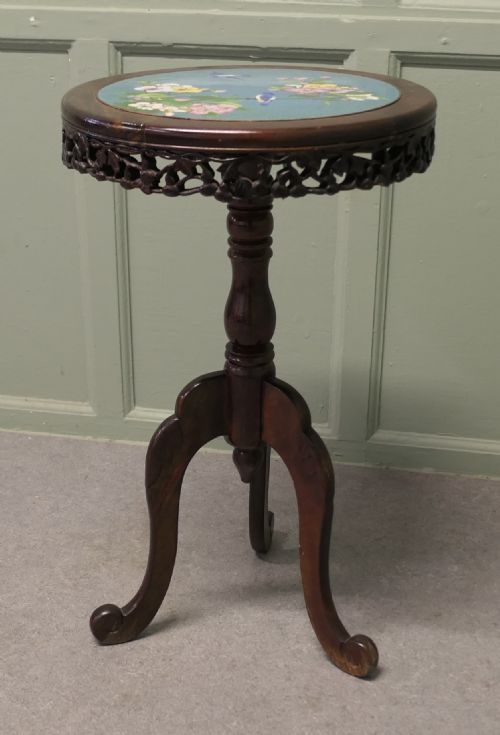
Silver items incorporate filigree wirework combined with applied enamel panels, occasionally accented with hardstones like jade or carved bone elements. Lacquer and gilt metal mounts frequently complement the primary enamel structures on larger decorative furnishings and lamps.
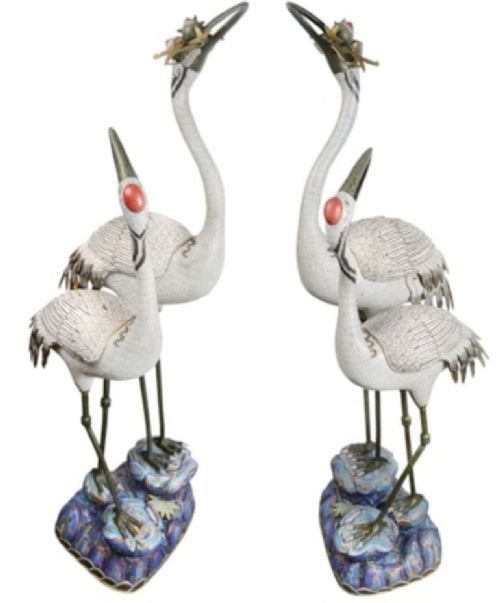
Several pieces feature winged companions, including imposing cloisonné cranes and a delicate silver butterfly brooch.
What varies in quality
The crispness of the wirework and the density of the enamel fill distinguish finer vessels from simpler production pieces. Superior examples display perfectly uniform cell partitions without pitting or shrinkage in the coloured vitreous pastes.
Artistic execution in hand-painted porcelain or pictorial enamel scenes dictates the standing of a piece within its type. Precision in facial expressions on figures and clarity in floral motifs demonstrate the artisan's skill.
The weight and finish of the underlying bronze, copper, or silver armature contribute significantly to an object's overall substance. Heavier bronze foundations and meticulous fire-gilding indicate superior workshop standards.
The Vintage Chinese Enamel Glossary
- Cloisonné
- An enamel technique where metal wires form raised cells on a base to contain coloured pastes. These wires remain visible on the finished surface.
- Champlevé
- A method where troughs are excavated in a bronze or copper body to hold enamel. The metal background forms the raised outlines of the design.
- Famille rose
- A palette of opaque enamels dominated by pink or rose colours, introduced during the Qing dynasty. This palette defines many painted porcelain vases and bowls.
- Jardinière
- A large decorative pot or bowl designed to hold plants or floral arrangements. These often stand in bronze or ceramic with detailed enamel decoration.
- Filigree
- Delicate work consisting of twisted silver or gold threads soldered together. Artisans combine this wire mesh with enamel panels on small decorative items.
- Qing Dynasty
- The final imperial dynasty of China, spanning from sixteen forty-four to nineteen twelve. Pieces from the late nineteenth century reflect this heritage.
Vintage Chinese Enamel: Frequently Asked Questions
How do I clean vintage enamel?
Dust surfaces gently with a soft, dry cloth to protect the delicate metallic wirework and vitreous pastes.
Avoid liquid cleaners and chemical polishes, which can seep into microscopic fissures and discolour the metal or enamel.
Are these pieces made of solid bronze?
Many vessels and jardinières utilise a heavy bronze or copper armature to provide structural stability for the enamel work.
Lighter items may incorporate brass, silver, or porcelain as the primary foundational material instead of bronze.
How can I tell the period?
Examine the style of the base metal, the complexity of the colour palette, and any workshop marks present on the object.
Nineteenth-century examples often display heavier bronze casting and deeper tones, whereas Republican pieces from the nineteen-thirties show different stylistic traits.
Can I use these lamps daily?
Many antique vases have been converted safely into table lamps with contemporary wiring while retaining their original enamel bodies.
Ensure a qualified professional inspects any vintage lighting fixture before connecting it to a modern power supply.