







Chinese Enamel Jar
These pieces of a chinese enamel jar span centuries of skilled craftsmanship, offering vibrant decoration and solid form to collectors.
Chinese Enamel Jar
A chinese enamel jar brings together traditional ceramic and metal forms intended for display or storage, often complete with matching lids. When exploring this selection, a buyer encounters ginger jars, baluster vases, and lidded vessels created across multiple dynasties and centuries.
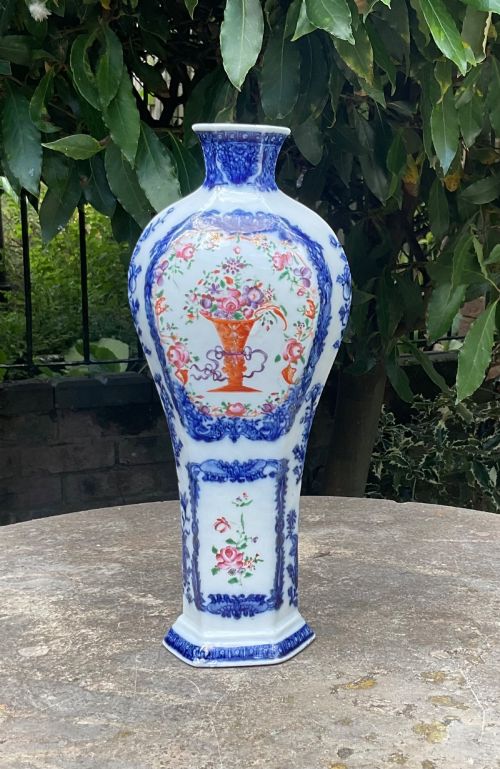
The objects seen here range from porcelain bodies painted in overglaze colours to metal foundations decorated with wire cells. Many examples date from the nineteenth century, reflecting periods such as the Qing Dynasty and the Republic era.
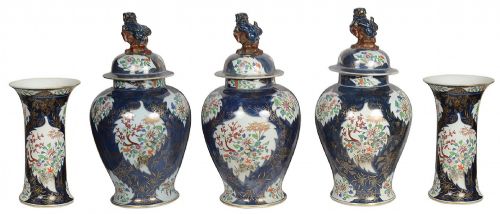
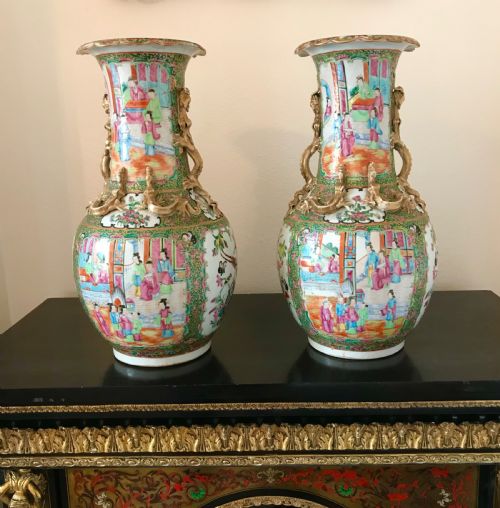
Forms vary from small table vessels to monumental floor vases and covered koro incense burners. Each piece provides a tangible link to historical workshops in locations like Jingdezhen and Canton.
Materials and technique
Makers utilised porcelain, bronze, and copper as the foundational structures for these vessels. Metal surfaces received intricate wirework compartments to hold vitreous coloured pastes during cloisonne production.
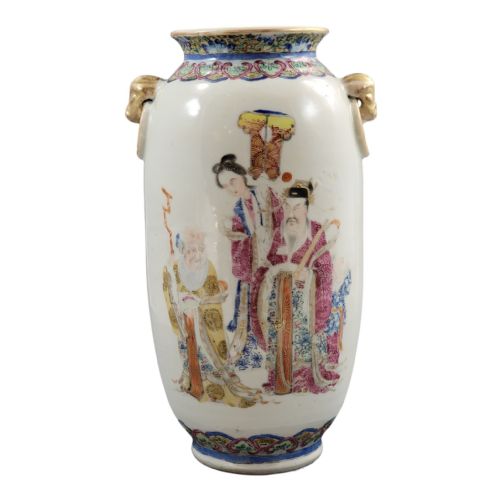
Pottery bodies were shaped and fired before receiving detailed overglaze enamels, gilt highlights, and copper or brass mounts. Artisans applied pigments by hand to build up complex floral, figural, and dragon motifs across the curved surfaces.
Chinese Enamel Jar Retail Price Guide 2026
Typical asking prices for chinese enamel jar among the pieces listed under this phrase on Sellingantiques today, from the lower quarter to the upper quarter. They describe what is for sale here now, not the wider market.
Many lidded vessels spent decades guarding empty domestic spaces after their original contents of ginger or tea vanished into history.
Qualities that distinguish the range
Distinction across these vessels rests in the precision of the hand painting and the crispness of the wirework or relief carving. Superior examples display dense, meticulously rendered multi-coloured enamel work without blurring at the borders of the design.
The depth of the glaze, the clarity of mark stamps, and the structural integrity of the metal or porcelain body dictate the tier of the piece. Handling reveals the weight of the bronze or the refinement of the ceramic body beneath the surface decoration.
The Chinese Enamel Jar Glossary
- Cloisonne
- Metalwork technique where thin wires are soldered to a base to create cells filled with enamel paste before firing. This method produces intricate raised patterns across vases and bowls.
- Famille Rose
- A palette of opaque overglaze enamels dominated by pink or rose colours, introduced during the Qing Dynasty. Artisans used these tones to render delicate figures and floral sprays.
- Ginger jar
- A broad-shouldered container with a high-domed lid, originally used for spices or salt. Later centuries saw these forms adapted purely for decorative display.
- Koro
- A traditional Chinese incense burner featuring a bowl body, a cover, and often supporting feet or handles. These vessels frequently incorporate detailed bronze casting and enamel panels.
Chinese Enamel Jar: Frequently Asked Questions
How do I care for my jar?
Dust the surface gently with a soft, dry cloth to prevent accumulation within the enamel recesses or wire borders.
Avoid using liquid cleaners, abrasive pads, or chemical polishes, as these can damage fragile overglaze pigments and exposed metal components.
Were these jars used for storage?
Historical ginger jars and covered vessels served practical functions for holding dried goods, spices, or liquids in domestic settings.
Over subsequent decades, many transitioned into pure ornament, displayed on mantelpieces and tables for their visual impact.
How do I date a piece?
Examine the style of the decoration, the composition of the base material, and any reign marks stamped or painted underneath.
Comparing the thickness of the porcelain or the colour saturation of the enamel against known historical periods helps narrow the timeframe of manufacture.
What is the difference between cloisonne and enamel on porcelain?
Cloisonne involves applying metal wires to a bronze or copper core to form distinct pockets for vitreous enamel pastes.
Enamel on porcelain utilises mineral pigments painted directly onto a fired ceramic body before undergoing a secondary low-temperature kiln firing.