
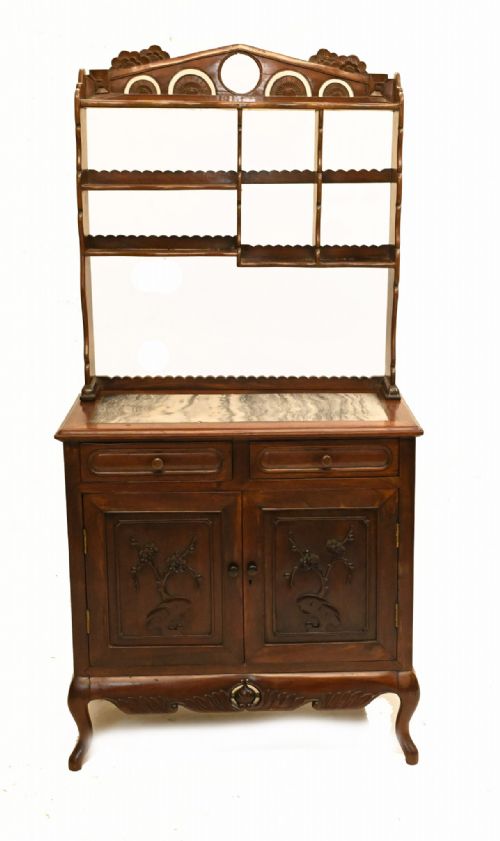
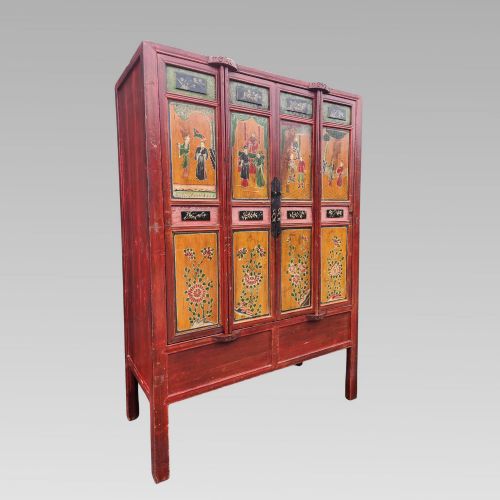


Chinese Display Cabinet
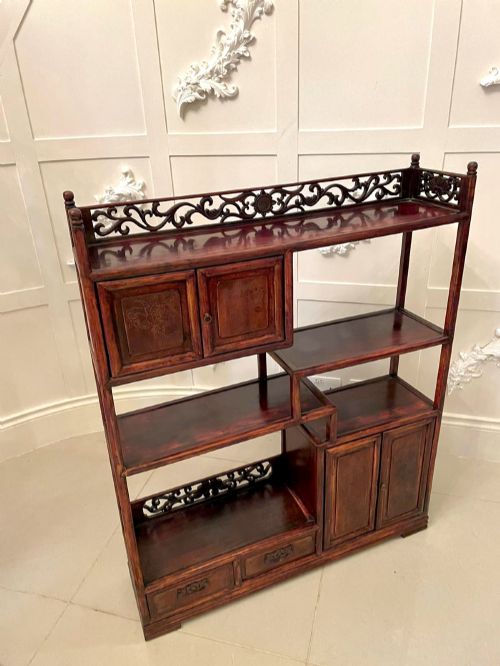
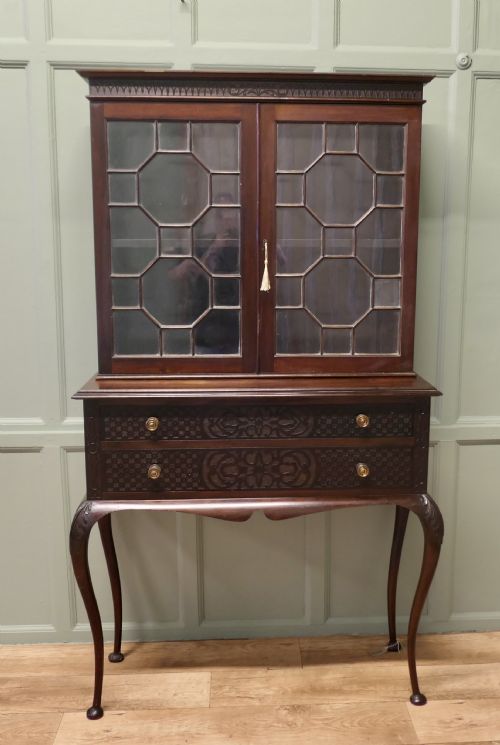
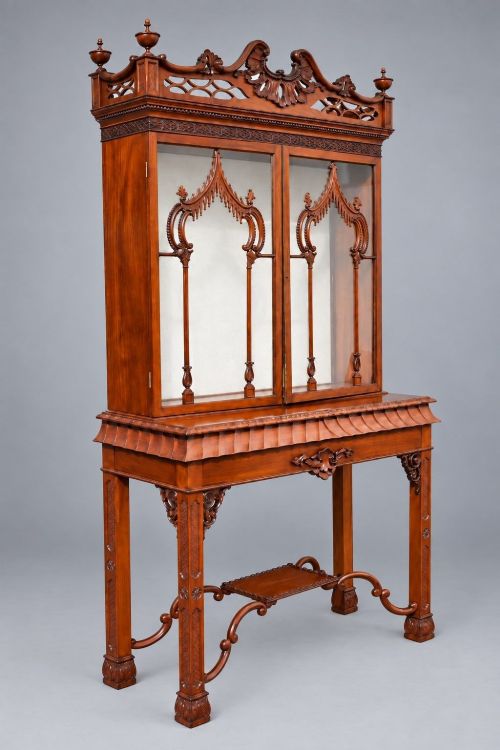
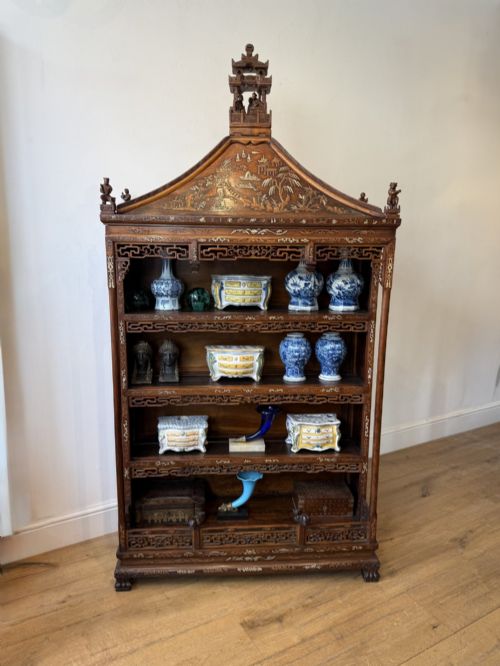
A Chinese display cabinet brings intricate carved wood and glazed shelving together to exhibit porcelain and small objects.
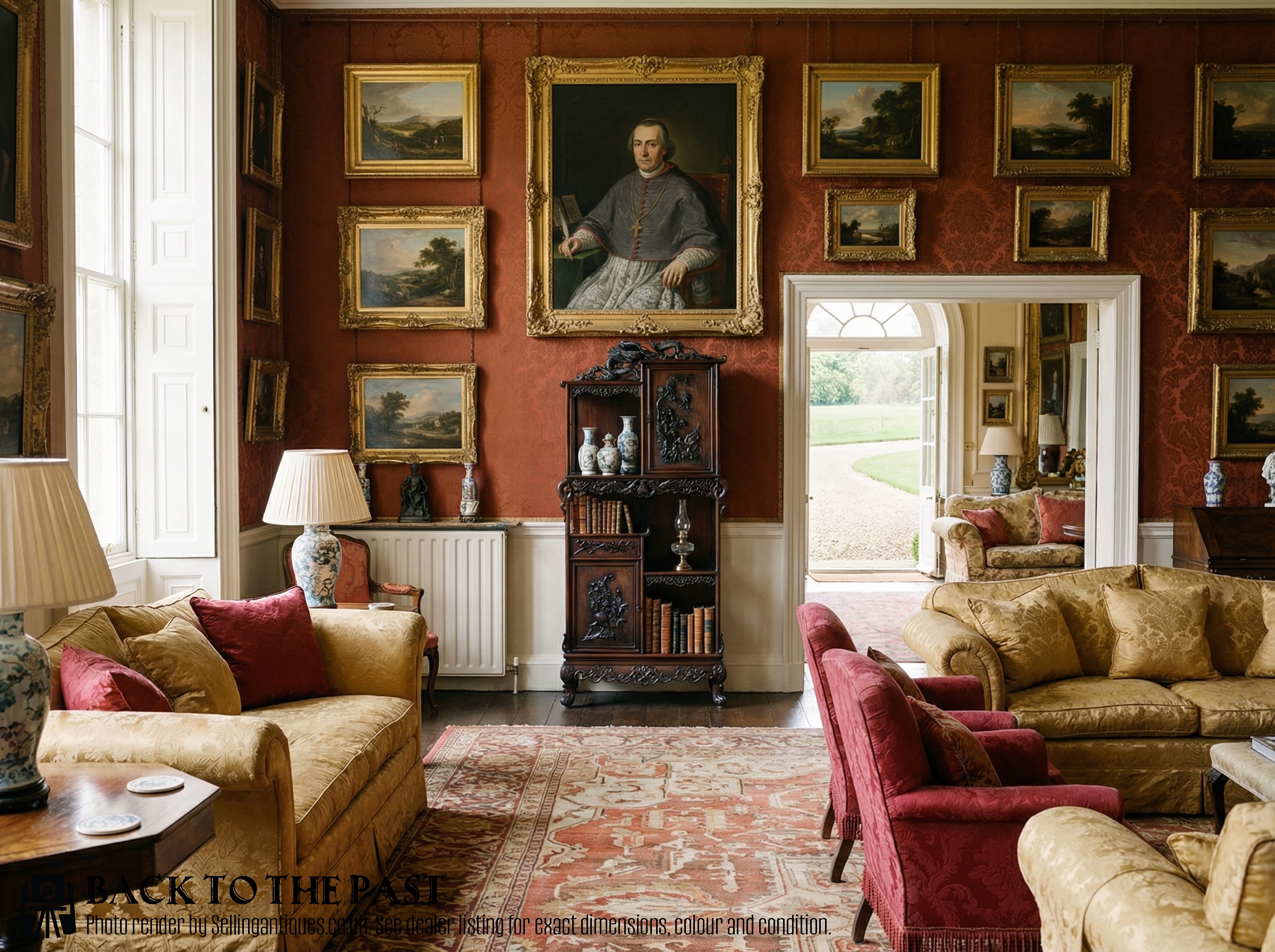
Chinese Display Cabinet
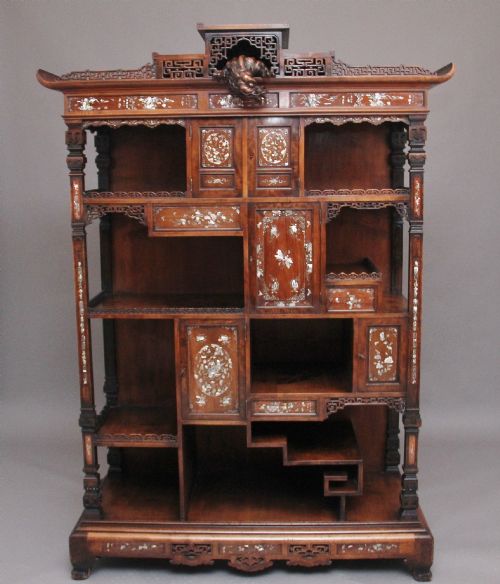
A chinese display cabinet serves to showcase treasured ceramics and ornaments behind glass or within open shelving. These pieces range from substantial hardwood vitrines originating in Asia to European interpretations influenced by oriental design.
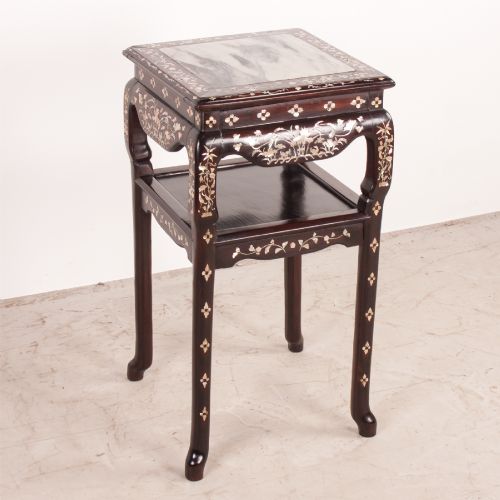
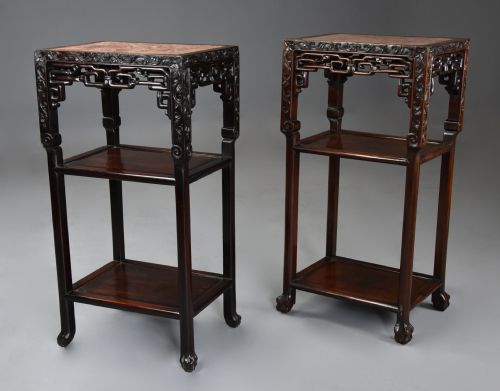
The selections on this page span the nineteenth century through the early twentieth century, encompassing Victorian and Edwardian periods. Alongside dedicated display furniture, related storage forms such as marriage cabinets and side tables appear frequently.
Makers utilised dense timbers like hongmu, padouk and rosewood alongside softer elms and applied lacquers. Buyers encounter both traditional Qing dynasty construction and British variations emulating Chinese Chippendale styles.
Materials and construction methods
Cabinet makers relied on heavy tropical hardwoods, including zitan and various rosewoods, capable of supporting deep relief carving. Frames often joined panels using traditional mortise and tenon techniques without relying on metal fasteners.
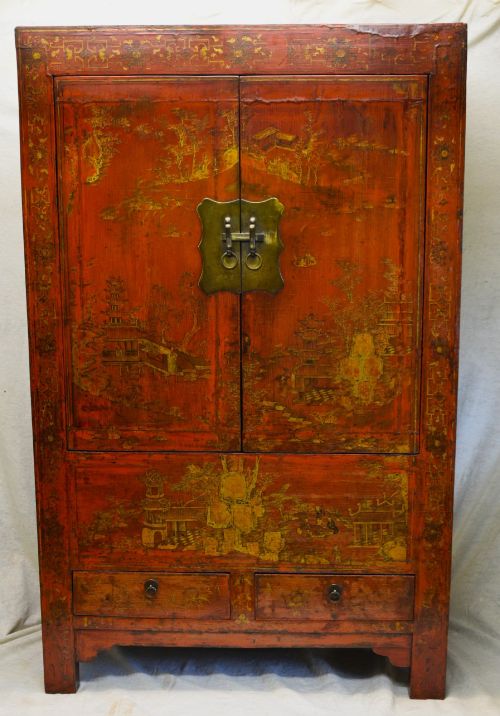
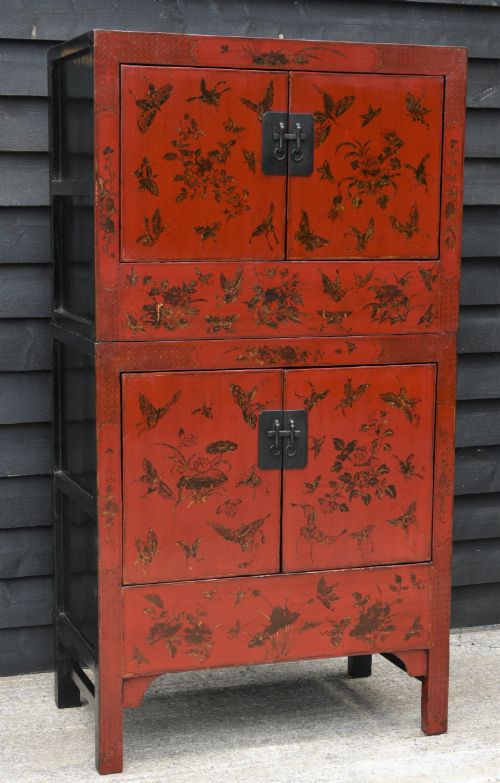
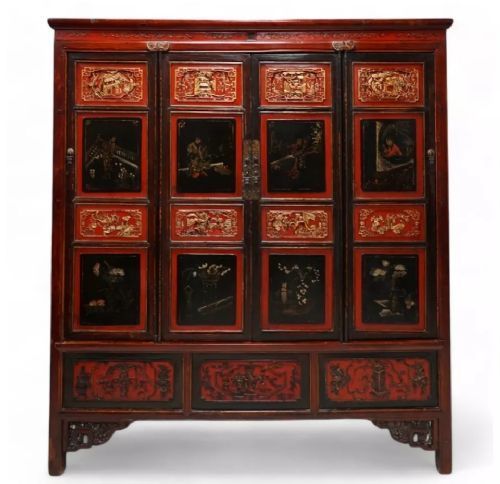
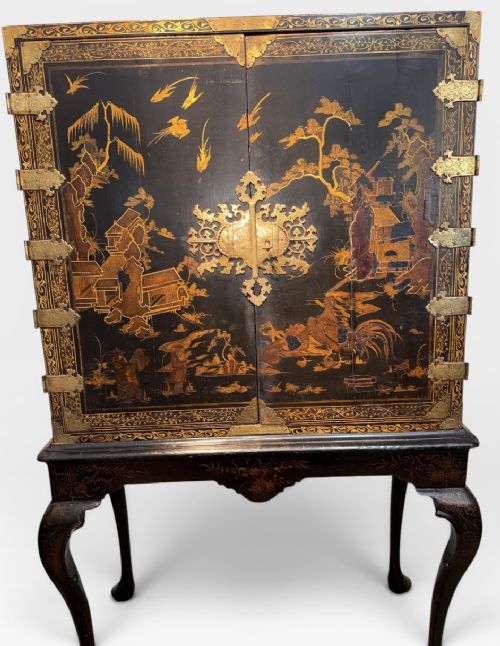
Surface decoration involved multiple coats of red or black lacquer, sometimes enhanced with mother of pearl inlay or hand-painted motifs depicting birds and flowers. Glass panels were subsequently fitted to glazed display doors to protect the contents within.
Listings feature items spanning the nineteenth century through the nineteen thirties, incorporating brass, marble, glass, and various hardwoods.
Distinctions in craftsmanship
Quality rests upon the depth and clarity of the hand carving, where superior examples display crisp undercut details rather than shallow moulding. The choice of timber also dictates standard, with dense heavy hardwoods commanding greater regard than softer secondary woods.
Original hardware, intact lacquer finishes, and stable joinery without excessive shrinkage separate finer survivals from pieces requiring extensive structural intervention.
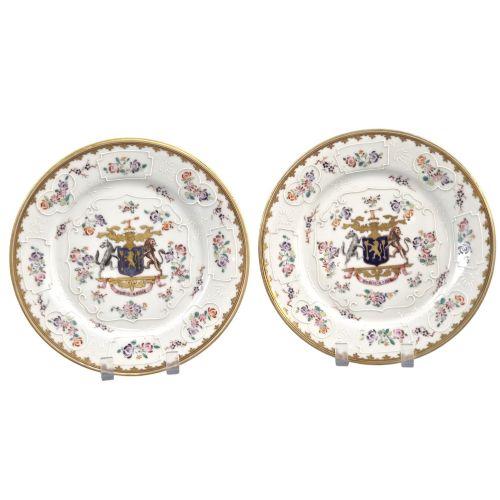
Edmé Samson et Cie
The Chinese Display Cabinet Glossary
- Chinoiserie
- European decorative style reflecting Chinese artistic influences, popular across British furniture design during the eighteenth and nineteenth centuries.
- Hongmu
- A category of dense, dark tropical hardwood used traditionally in high-status Chinese cabinet making.
- Lacquer
- Protective and decorative resin finish applied in numerous thin layers, often coloured in red or black and polished to a smooth sheen.
- Qing Dynasty
- The final imperial dynasty of China, spanning from sixteen forty-four to nineteen twelve, whose aesthetic defined many carved furnishings.
- Padouk
- Heavy, durable reddish-brown timber utilised for fine cabinetry and relief-carved display furniture.
Chinese Display Cabinet: Frequently Asked Questions
What is a chinese display cabinet used for?
These cabinets were originally constructed to hold scholarly objects, small ceramics, and precious curiosities safely out of the reach of dust. The glazed doors and open shelving allowed owners to view their collections easily.
Today, collectors use them for the exact same purpose. They provide a secure, enclosed space to display modern ceramics or antique porcelain within a domestic interior.
How do I date a chinese display cabinet?
Dating relies on examining the timber species, construction joints, and decorative motifs. Pieces from the nineteenth century often feature heavier hardwoods and deep hand-carved panels, while later twentieth-century examples show different manufacturing signatures.
Stylistic crossover offers further clues. British adaptations from the Victorian period merge Chinese fretwork with standard mahogany frames, distinguishing them from pieces imported directly from China.
Are these cabinets made of solid wood?
Traditional examples utilise dense tropical hardwoods throughout the primary frame and structural panels. Timbers such as hongmu, padouk, and rosewood were chosen for their weight and stability.
Secondary woods may appear in internal shelving or back panels, but the exterior construction relies on heavy, solid timber capable of supporting intricate relief carvings.
How do I care for a lacquered cabinet?
Lacquered surfaces require gentle maintenance away from direct sunlight and extreme temperature fluctuations. Dusting with a soft, dry cloth prevents particulate build-up without harming the delicate finish.
Avoid commercial polishes and moisture, which can degrade old lacquer layers over time. Maintaining a stable indoor climate keeps the wood beneath from expanding and cracking the surface.