




Antique Asian Bookcase
These antique asian bookcase pieces are substantial hardwood and lacquered display cabinets built to showcase prized possessions.
Antique Asian Bookcase
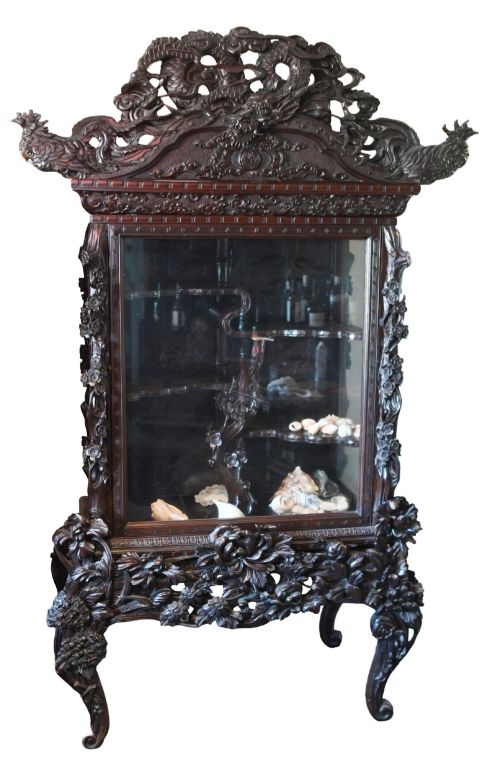
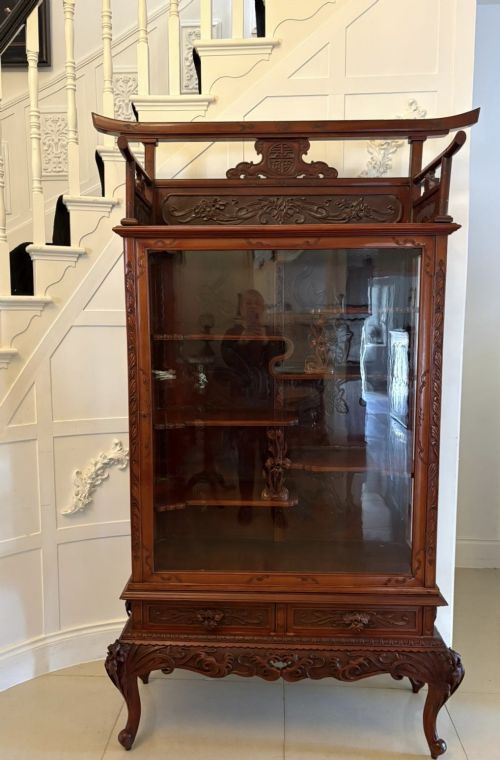
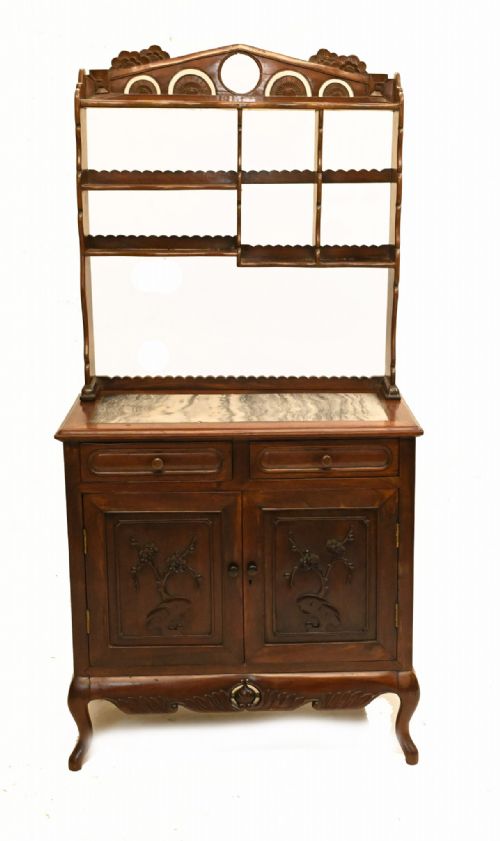
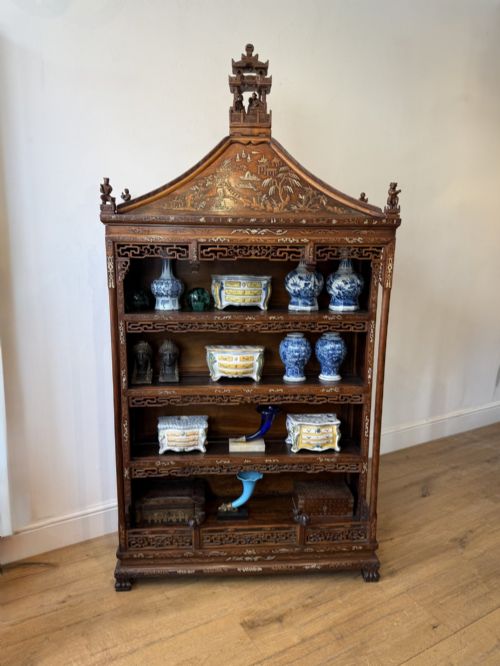
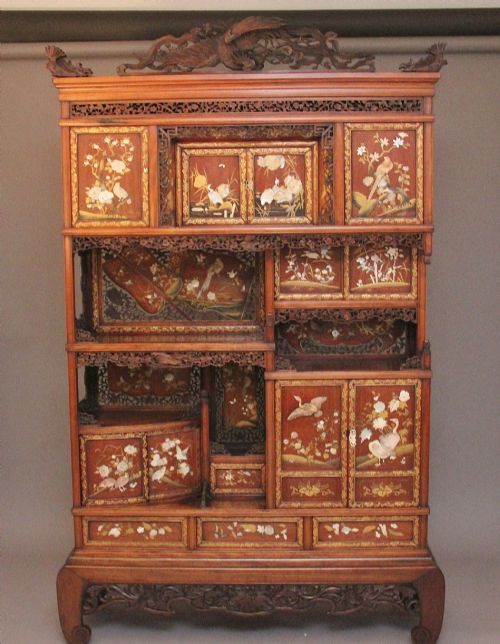
An antique asian bookcase encompasses intricate hardwood display cabinets, dressers, and shelves originating from nineteenth and early twentieth-century Chinese workshops. Buyers encounter carved hardwood glazed display cabinets alongside red lacquered Chinese cabinets and dwarf side-cabinets.
Most examples date across the nineteenth century, utilising dense timbers such as elm and rosewood. Forms range from towering pagoda display cabinets to compact whatnot shelves and side-cabinets.
How they were made
Maker-craftsmen constructed these cabinets using dense hardwoods, including elm and rosewood, joined through traditional framing techniques that accommodated seasonal timber movement. Surfaces received deep carving or smooth red lacquer applications.
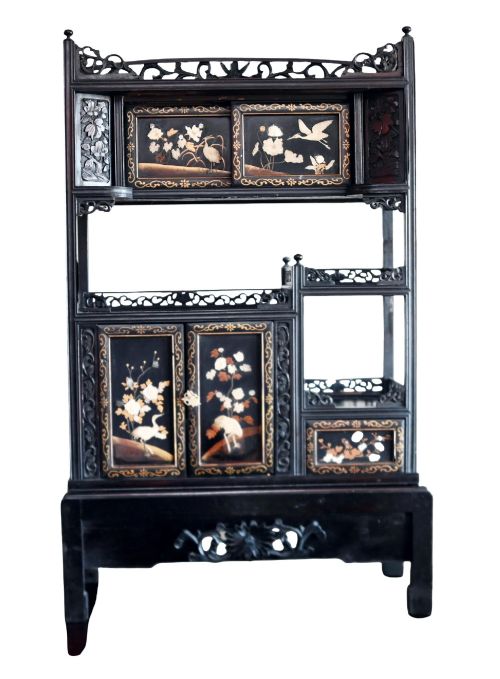
Many examples incorporate delicate decorative elements such as bone inlay, mother of pearl highlights, and brass hardware fittings. Glazed panels and open shelving tiers were integrated to showcase collections safely.
Antique Asian Bookcase Retail Price Guide 2026
Typical asking prices for asian bookcase among the pieces listed under this phrase on Sellingantiques today, from the lower quarter to the upper quarter. They describe what is for sale here now, not the wider market.
Pagoda display cabinets bring miniature rooflines indoors, letting your ornaments live in tiny architectural mansions.
What varies in quality
Quality rests in the depth and precision of the carved hardwood ornamentation, distinguishing heavily carved specialist pieces from simpler domestic storage. The crispness of Qing Dynasty motifs and the stability of joinery dictate the standing of each cabinet.
Material selection separates standard elm construction from profusely carved rosewood or finely lacquered surfaces enhanced by mother of pearl and bone inlay. The integration of original brass fittings and intact glass panels further elevates the piece.
The Antique Asian Bookcase Glossary
- Hardwood
- Dense timber derived from broad-leaved trees, providing the structural integrity for nineteenth-century Chinese display cabinets. These durable woods supported deep, intricate carving without splintering.
- Qing Dynasty
- The final imperial dynasty of China, spanning from sixteen-forty-four to nineteen-twelve, defining the aesthetic of these carved export pieces. Items from this era often feature traditional motifs and formal symmetry.
- Lacquer
- A durable resin finish applied in multiple layers to cabinet surfaces, frequently coloured red. This technique creates a smooth, glossy protective coating.
- Shodana
- A style of tiered display cabinet or side-cabinet featuring asymmetrical shelving. These pieces were designed to exhibit small ceramic and decorative objects.
- Bone inlay
- Decorative material embedded into timber surfaces to create contrasting patterns and pictorial details. Craftsmen shaped animal bone into delicate motifs set flush with the wood.
Antique Asian Bookcase: Frequently Asked Questions
What periods do these cabinets date from?
The available pieces date from the nineteenth century through the early twentieth century, spanning specific years such as eighteen-fifty, eighteen-seventy, and nineteen-ten. Qing Dynasty and Chinese export pieces form the core of this timeline.
Craftsmen working during the eighteen-eighties and eighteen-nineties produced many of the profusely carved hardwood examples seen today.
How were these cabinets originally used?
These pieces served as display cabinets, dressers, and whatnot shelves for housing and exhibiting valued possessions. Glazed doors and open tiers protected ceramics and decorative objects while keeping them visible.
Larger dressers and side-cabinets also provided enclosed storage beneath the main display areas for household items.
What materials are used in these pieces?
Construction relies primarily on dense hardwoods including elm and rosewood, providing strong frames for heavy display shelving. Decorative enhancements include brass fittings, glass panes, and red lacquer finishes.
Detailing often incorporates bone inlay and mother of pearl to ornament the timber surfaces.