


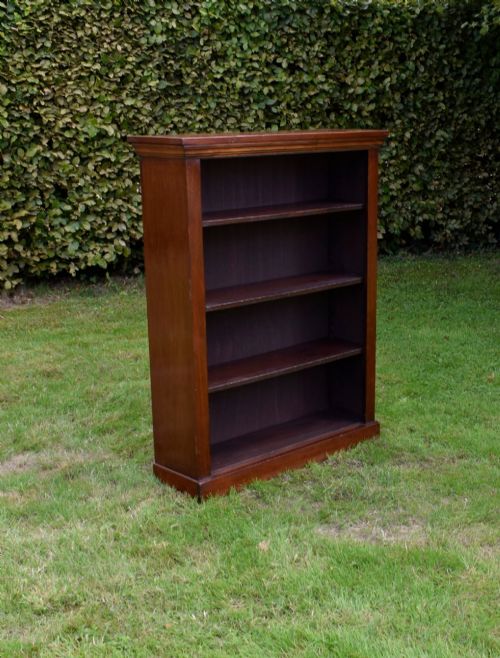
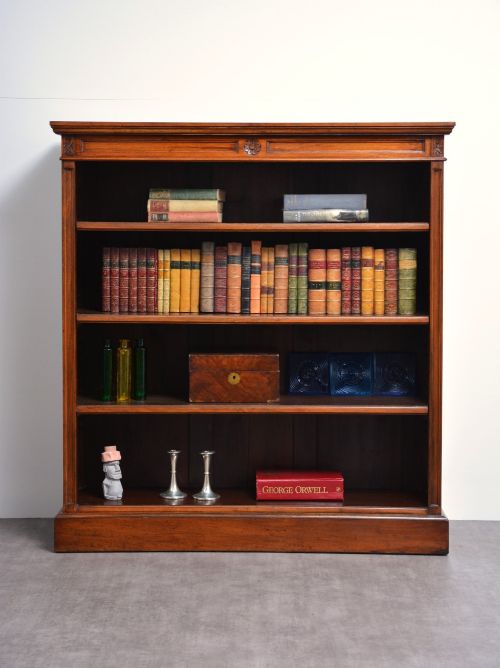
Dark Wood Display Shelf
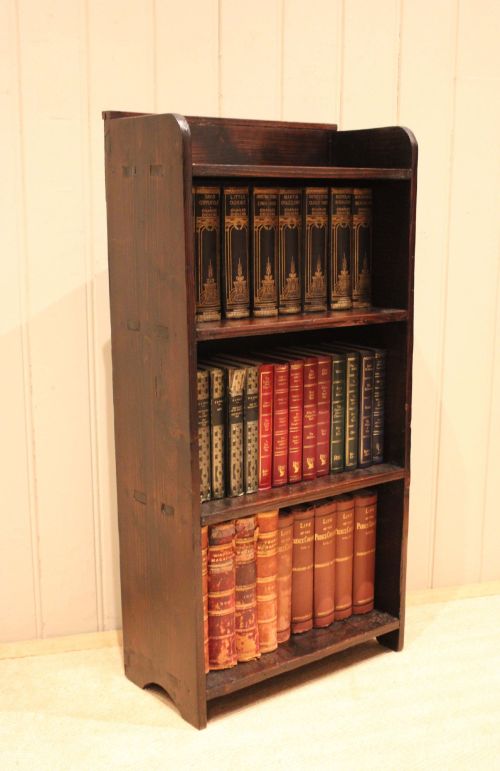
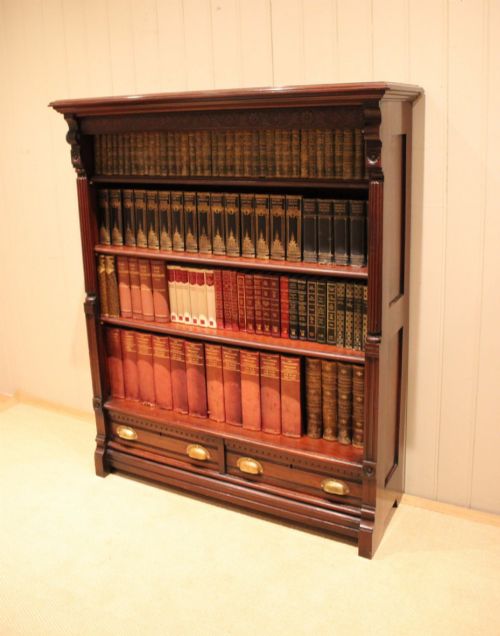
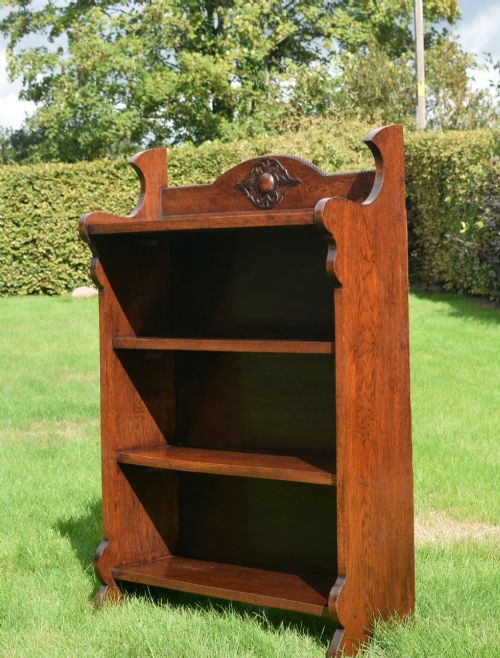
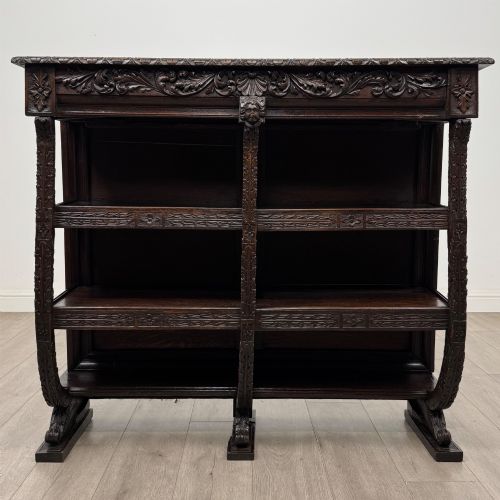
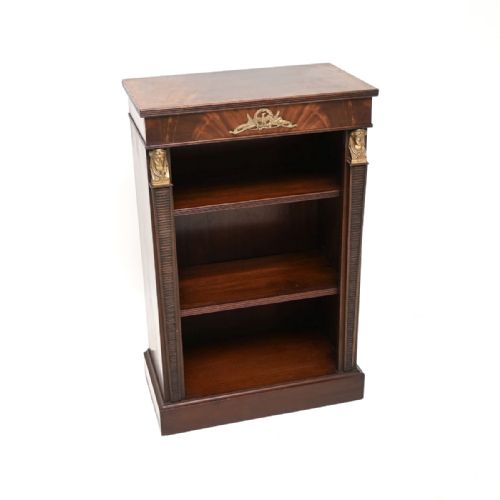
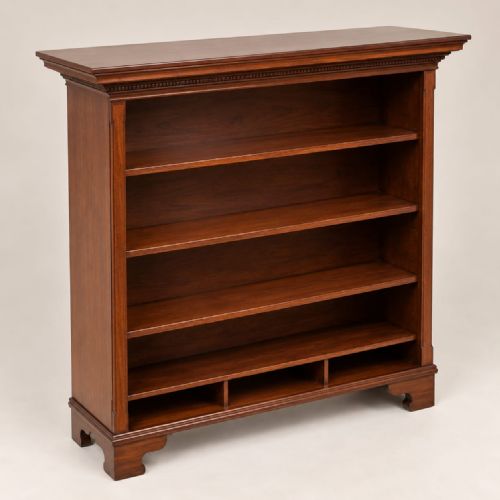
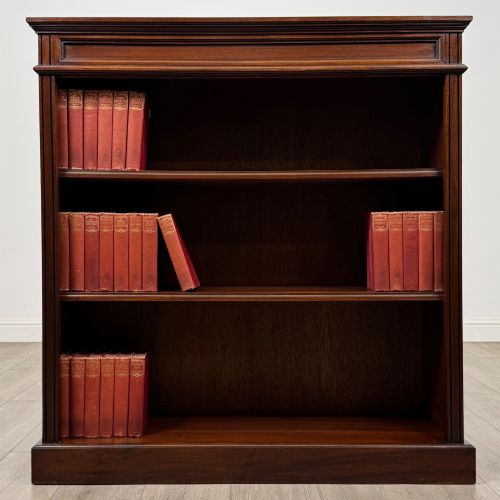
A dark wood display shelf brings warmth and functional organisation to a room, offering a sturdy surface for books and ornaments.
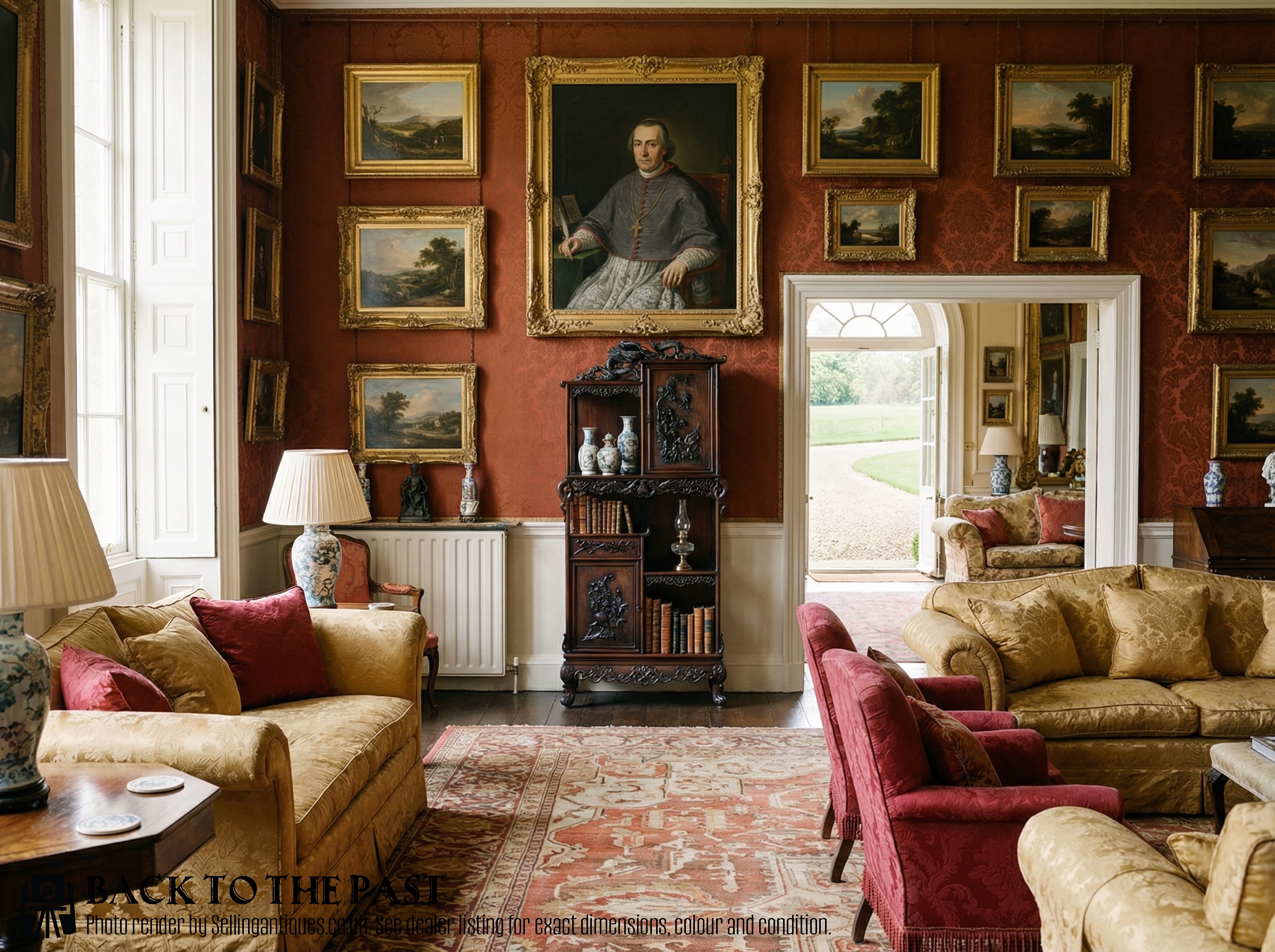
Dark Wood Display Shelf
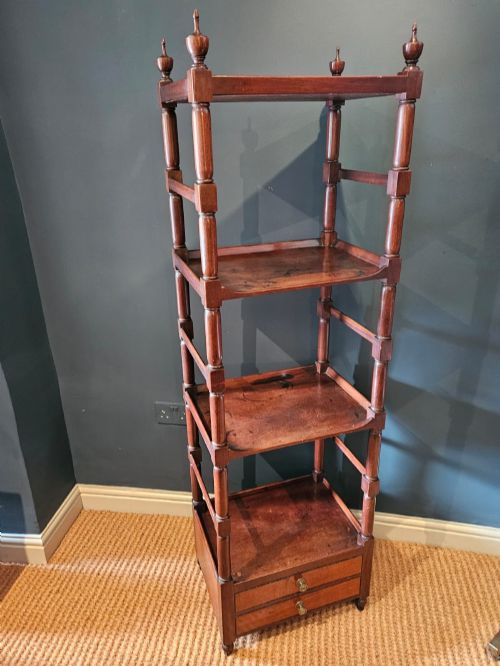
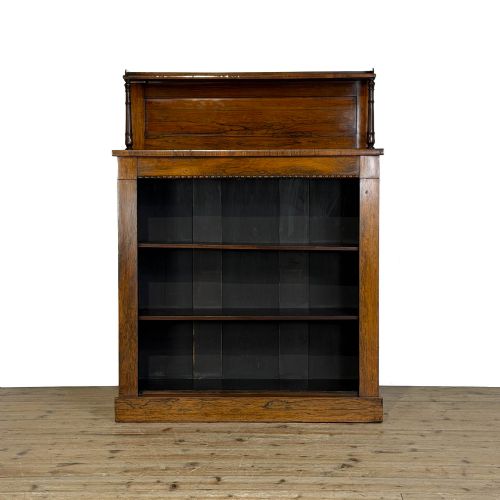
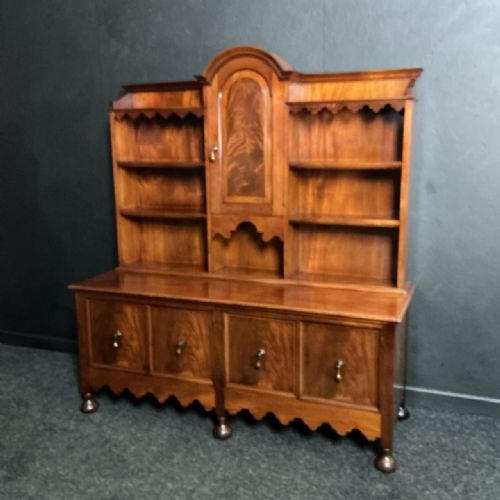
When you search for a dark wood display shelf, you encounter a variety of practical furniture forms designed to hold books, ceramics and decorative objects. These pieces range from open bookcases and wall-hung shelves to multi-tiered whatnots and standing display cabinets.
The selections span several periods, with Victorian and Edwardian examples appearing frequently alongside Regency, Arts and Crafts and Art Deco pieces. Mahogany and walnut dominate the offerings, supplemented by oak, rosewood and pine.
Most items serve to organise living spaces while introducing rich timber tones. You are likely to find everything from compact corner units to large stepped open bookcases.
How they were made
Cabinet makers utilised dense hardwoods such as mahogany, walnut, oak and rosewood to construct durable frameworks capable of supporting heavy loads of books and objects. Pine served as a secondary timber for internals and backs in many items.
Forms range from simple open bookcases and wall shelves to elaborate French Japanese shodonas and multi-tiered whatnots.
What varies in quality
The refinement of timber selection and carving distinguishes standard utility shelving from finer cabinet work. Dense grain patterns in mahogany and figured walnut indicate superior material choice.
Execution of mechanical elements, such as smoothly operating adjustable shelf brackets and neatly fitted glazed doors, separates master workshops from basic regional production.
Gabriel Viardot
The Dark Wood Display Shelf Glossary
- Étagère
- A French term for a piece of furniture consisting of a set of open shelves for displaying small objects. These often appear in rosewood or walnut during the nineteenth century.
- Padauk
- A heavy, durable tropical hardwood with a reddish-brown colour used in specialised cabinetry such as Anglo-Indian shelving. It provides exceptional strength for projecting tiers.
- Barley twist
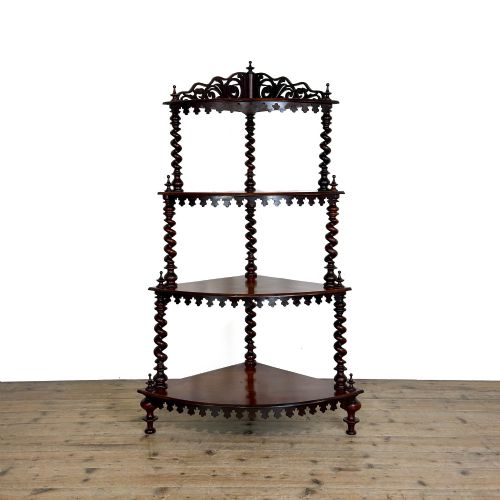
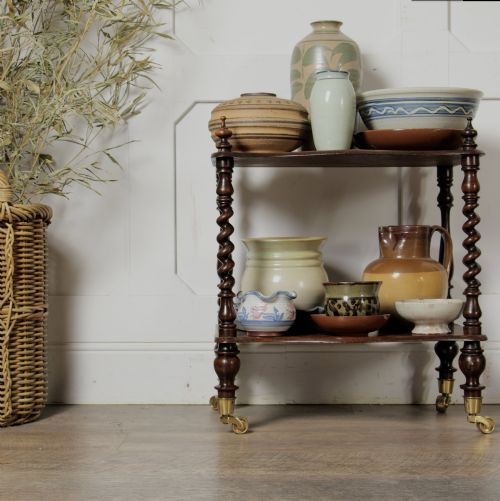
- A type of turned wooden column resembling the spiral shape of a twisted barley sugar stick. This decorative turning style is common on Victorian stands and supports.
Dark Wood Display Shelf: Frequently Asked Questions
How do I style a dark wood display shelf?
Balance heavy volumes with lighter ceramics and glassware to prevent the dark timber from appearing too imposing in a contemporary room. Group items by colour or material to create visual harmony across the tiers.
Leave some shelf space empty to let the grain and tone of the mahogany, walnut or oak remain visible. Proper spacing enhances both the items displayed and the furniture itself.
What is the difference between a what-not and a bookcase?
A what-not is primarily an open tiered stand intended for displaying ornaments, decorative plates and small collections. These pieces often feature multiple levels supported by delicate pillars or turned posts.
A bookcase is structurally built for housing volumes of books, featuring deeper shelves and occasionally glass doors or lower cupboards. Many Victorian and Edwardian examples include adjustable wooden shelves to accommodate varying book sizes.
Where should I place wall shelves?
Hanging shelves suit smaller rooms or hallways where floor space is limited, providing vertical storage without crowding the living area. Mount them securely into solid wall studs to support the weight of dense hardwood and stored objects.
Ensure the hanging height allows easy viewing and access to the items placed on the tiers. Regency and Victorian wall shelves look particularly striking above low side tables or mantelpieces.
How do I care for antique mahogany and walnut?
Dust the timber regularly with a soft, dry cloth to prevent particulate build-up in the carved details and grain. Avoid placing shelves in direct sunlight or near heat sources to prevent the wood from drying out and cracking.
Apply a quality beeswax periodically to nourish the surface and maintain the natural lustre of the polish. Avoid modern silicone sprays, which can permanently damage antique finishes.