
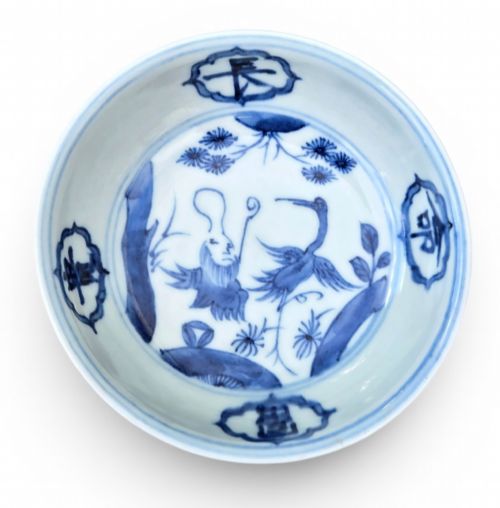


Chinese Cobalt Blue Bowl
A chinese cobalt blue bowl brings centuries of ceramic mastery to your home, offering deep cobalt tones paired with intricate porcelain forms.
Chinese Cobalt Blue Bowl
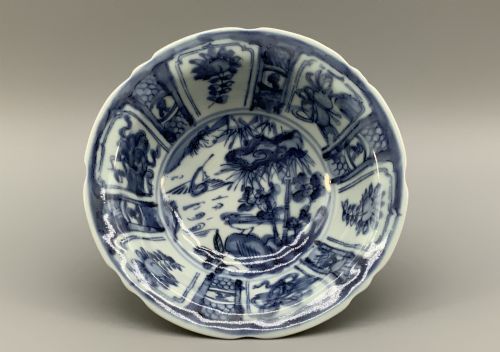
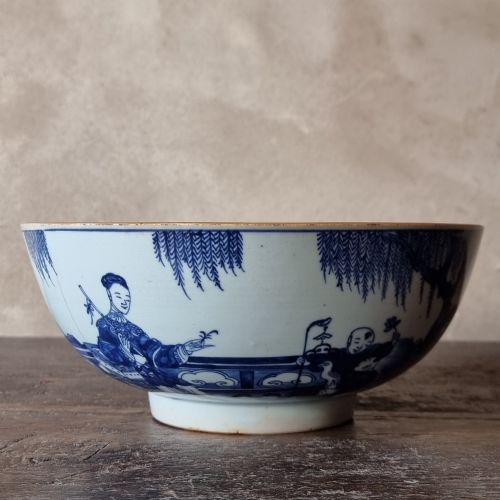
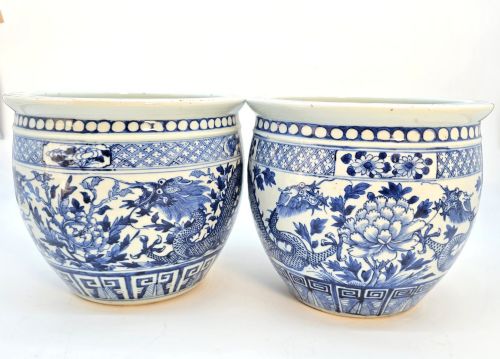
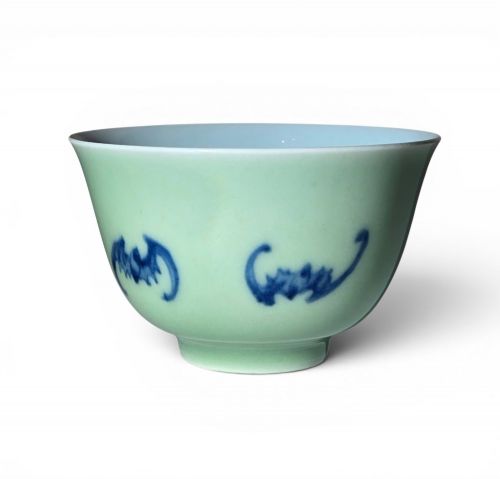
A chinese cobalt blue bowl represents a long lineage of ceramic artistry, spanning from the Ming dynasty to the Edwardian era. You will encounter various forms ranging from large punch bowls and jardinières to delicate cups, brush washers, and deep saucer-dishes.
The pieces listed on this page showcase distinct historical periods including the Kangxi period and the Wanli period. These vessels reflect both domestic Chinese imperial tastes and wares created for export.
Whether you examine a lobed bowl from around seventeen hundred or a punch bowl featuring an American eagle motif, each item demonstrates the enduring appeal of underglaze blue decoration on porcelain.
Materials and Techniques
Makers utilised fine porcelain and ceramic bodies as the foundation for these vessels, applying cobalt underglaze, cobalt glaze, and cobalt enamel to create striking blue motifs.
Certain pieces incorporate additional decorative elements such as celadon-ground surfaces and gilding, enhancing the visual depth of the hand-painted designs.
A punch bowl featuring an American eagle proves that even ancient kilns enjoyed keeping up with transatlantic trends.
Assessing Quality and Execution
The distinction between ordinary and exceptional pieces lies in the precision of the hand-painted cobalt motifs and the purity of the porcelain body. Mastery is evident when the blue pigment achieves a rich, deep hue without blurring into the surrounding glaze.
Scale and form also dictate the caliber of a vessel, where large punch bowls, tripods, and jardinières require advanced kiln control to maintain structural integrity during firing.
The Chinese Cobalt Blue Bowl Glossary
- Cobalt Underglaze
- A method of applying cobalt blue pigment to the unburned porcelain body before glazing and firing at high temperatures. This technique locks the deep blue colour permanently beneath the glassy surface.
- Kraak Porcelain
- A type of Chinese export porcelain produced mainly during the Ming dynasty, characteristically featuring panelled designs and vibrant blue and white decoration. These deep plates and bowls were widely traded globally.
- Jardiniere
- A large decorative ceramic pot or bowl designed to hold plants or flowers. In these listings, they appear alongside punch bowls as substantial vessels.
- Punch Bowl
- A large capacious bowl traditionally used for mixing and serving communal drinks. Examples range from Ming dynasty pieces to later export variations carrying specific motifs like the American eagle.
- Brush Washer
- A scholar's vessel utilised for cleaning ink brushes during calligraphy and painting. These functional ceramic items often display meticulous cobalt blue painting.
Chinese Cobalt Blue Bowl: Frequently Asked Questions
What periods do these bowls come from?
The selection spans multiple centuries, including pieces from the Ming dynasty, the Kangxi period, the eighteenth century, and the nineteenth century.
You will also find items stretching from the sixteenth century into the Edwardian era, reflecting diverse historical manufacturing dates.
How were these bowls originally used?
Many large vessels served as punch bowls for communal gatherings or as jardinières for holding plants and flowers within elite interiors.
Smaller items functioned as drinking vessels, brush washers for scholars, or decorative dishes for display.
How do I identify a Ming dynasty piece?
Ming pieces often display characteristic forms like Kraak porcelain structures and deep saucer-dish shapes tied to sixteenth and seventeenth-century production.
Examining the specific cobalt blue tones and underglaze painting style helps differentiate these earlier examples from later Qing dynasty wares.
What is the difference between underglaze and enamel?
Underglaze blue is painted directly onto the raw porcelain body before the transparent glaze is applied and fired at high temperatures.
Cobalt enamel is generally applied over the fired glaze, sitting on the surface rather than sinking deep into the ceramic body.