




Chinese Carved Seat
A chinese carved seat brings substantial timber, deep relief work and centuries of regional joinery straight into a room.
Chinese Carved Seat
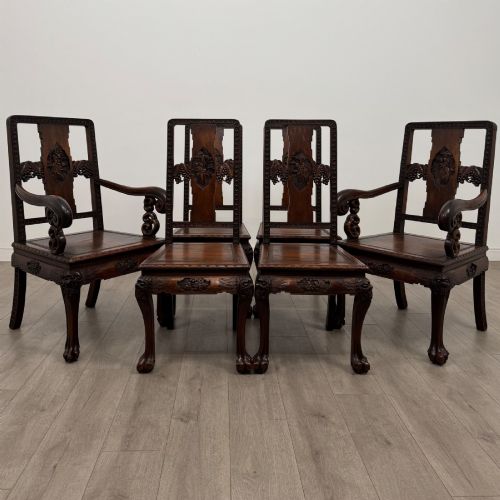
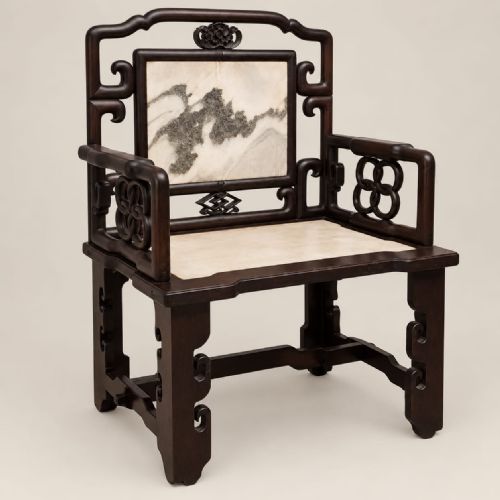
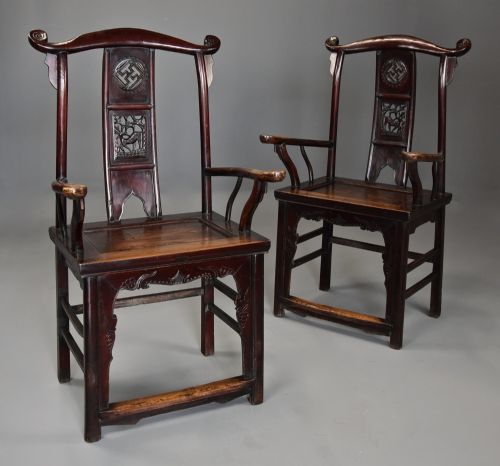
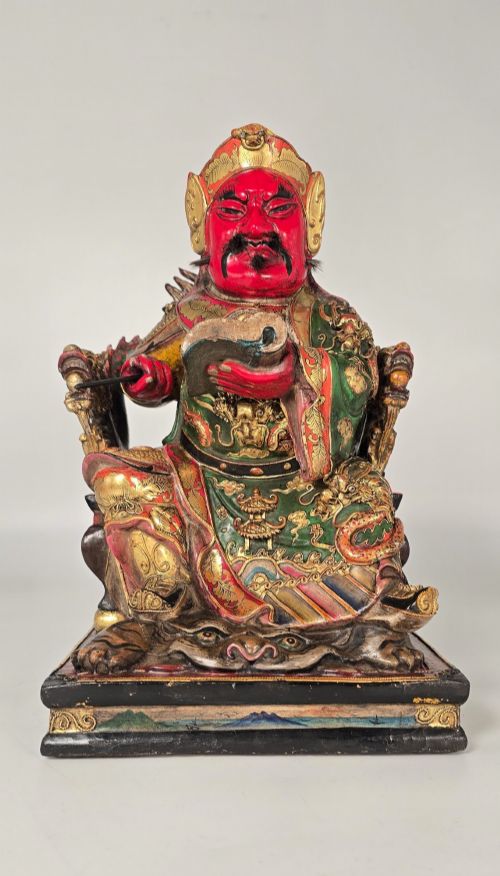
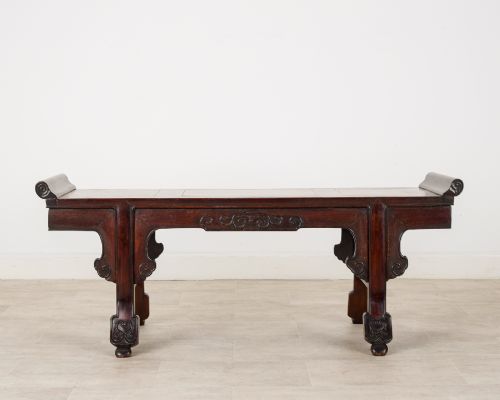
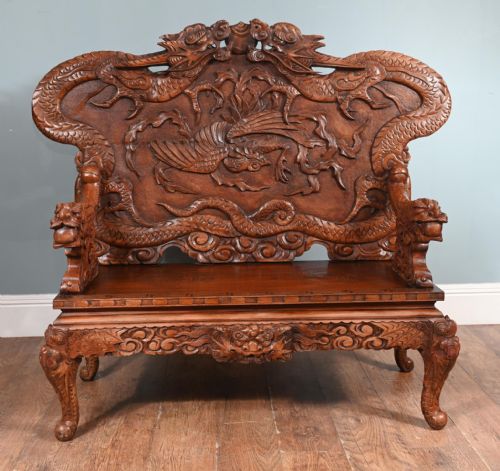
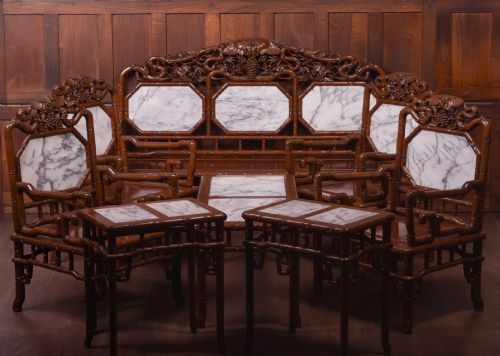
When searching for a chinese carved seat, collectors encounter sturdy elm armchairs, rosewood throne chairs and hardwood benches originating from the nineteenth and early twentieth centuries. These objects range from tall yokeback chairs with red lacquer surfaces to low window seats and folding campaign models designed for practical seating.
Many examples display intricate dragon motifs or floral carvings executed in dense tropical hardwoods, while others utilise softer elm and local fruitwoods finished in layers of coloured lacquer.
How they were made
Joiners relied on precise mortise and tenon construction to assemble heavy timbers like hongmu, rosewood and teak without metal fixings, allowing the wood to move naturally with humidity changes. Elm and blonde wood alternatives offered greater flexibility for curved yoke backs and folding frames.
Carvers worked directly onto the dense grain using chisel and gouge techniques to produce high relief dragons, floral panels and geometric diaper patterns. Surface decoration often combined applied cinnabar or polychrome lacquer with hand-painted details and occasional mother of pearl inlay.
Listings span multiple materials including lacquer, marble, and rosewood across nineteenth and twentieth century production.
What varies in quality
The distinction between ordinary workshop production and high status furniture lies in the depth of the carving and the selection of the timber. Dense, heavily figured hongmu and rosewood command attention for their weight and grain clarity, whereas lesser pieces utilise plain elm or mixed softwoods with simpler surface treatments.
Proportion and structural integrity define the upper tier of seating, where joints remain rigid and the carved iconography demonstrates deliberate spatial arrangement. Lower quality examples may show hurried chisel work, mismatched wood sections or heavily restored lacquer surfaces that obscure the original grain.
Waugh And Son·George II
The Chinese Carved Seat Glossary
- Hongmu
- A dense, heavy tropical hardwood prized by Chinese cabinetmakers for its rich dark colour and stability. It translates literally as red wood and accommodates extremely fine, sharp relief carving.
- Yokeback
- A style of armchair featuring a curved top rail that resembles a traditional ox yoke. This design supports the sitter's upper back and appears frequently in elm and hardwood.
- Cinnabar lacquer
- A finishing technique involving multiple brushed layers of red lacquer derived from the toxic sap of the lac tree. Artisans carve intricate patterns into the hardened build-up.
- Qing Dynasty
- The final imperial dynasty of China, spanning from sixteen forty-four to nineteen twelve. Furniture from this period is characterised by ambitious scale and deep pictorial carving.
Chinese Carved Seat: Frequently Asked Questions
What woods were used?
Carpenters utilised dense tropical hardwoods such as hongmu and rosewood alongside durable domestic timbers like elm. Selection depended on whether the piece required heavy structural framing or intricate surface carving.
Softer woods frequently received layers of lacquer or polychrome paint, whereas high status hardwood frames exposed the natural grain beneath clear polishes.
How old are these seats?
Most surviving examples date from the nineteenth and early twentieth centuries, spanning the late Qing dynasty and the export trade eras. Earlier items originating from the eighteenth century appear less frequently.
Stylistic markers and construction methods help separate nineteenth-century regional productions from earlier court pieces and later twentieth-century interpretations.
How do I identify a throne chair?
Throne chairs are distinguished by their imposing scale, formal symmetry and prominent crest rails often carved with imperial dragons. They served as authoritative seating within traditional halls and reception rooms.
Unlike standard armchairs, these pieces utilise heavier timbers such as hongmu and feature extensive high relief carving across the back splat and arm supports.
Can I use an antique bench daily?
These benches and settles were constructed for heavy domestic use from resilient hardwoods and joined without metal screws. Their robust mortise and tenon frames withstand regular seating when placed on level floors.
Protecting the antique lacquer or polished timber surfaces from excessive moisture and direct sunlight preserves the original finish during daily enjoyment.