



Qing Dynasty Sofa
A qing dynasty sofa offers a heavy wooden seat or bench form, often built from dense hardwoods with intricate carvings.
Qing Dynasty Sofa
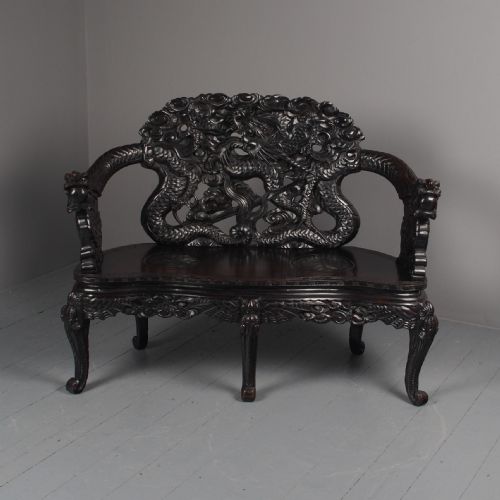
When you search for a qing dynasty sofa, you encounter substantial seating and table forms originating from nineteenth and early twentieth century China. These items range from carved hardwood settees and benches to complementary seating suites.
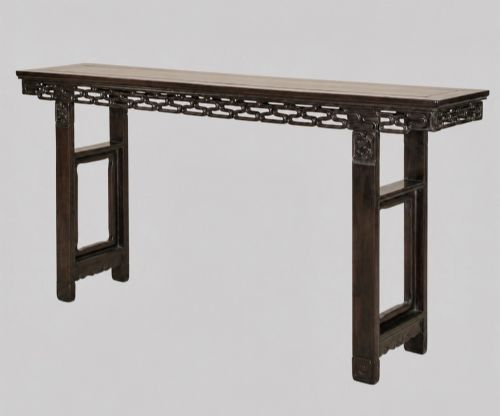
The pieces represented here most frequently include elm and hardwood benches, side tables, and larger console tables associated with the Qing period. Buyers find both simple traditional seating and elaborate mother of pearl inlaid versions.
Many examples date from the late nineteenth century around eighteen eighty to nineteen hundred, showing distinct regional styles and traditional Chinese craftsmanship. These functional items served domestic and ceremonial roles in historic interiors.
How they were made
Joinery relied on dense timbers such as hardwood, rosewood, elm, and huanghuali wood, providing the structural weight necessary for large benches and tables. Artisans shaped these resistant materials using traditional woodworking joints without metal fasteners.
Surface ornamentation involved intricate carving, bone inlay, brass details, and applied lacquer finishes. Mother of pearl was frequently set into the wood to create contrasting pictorial designs.
Listings feature items spanning the nineteenth century through to nineteen twenty, utilising hardwood, elm, rosewood, and lacquer.
What varies in quality
The choice of timber dictates the baseline quality, with dense hardwoods and huanghuali sitting above standard elm in terms of weight and material density. Grain selection and the natural figuring of the wood play significant roles in the visual impact of each piece.
The depth and crispness of the carving separate ordinary joinery from superior examples, particularly where dragons and floral motifs are rendered with precision. The complexity of inlay work, such as the neatness of bone or mother of pearl placement, marks the graduation between standard workshop output and finer production.
The Qing Dynasty Sofa Glossary
- Hardwood
- Dense, slow growing timber such as rosewood or huanghuali used for durable furniture construction. These woods take a fine polish and support deep structural carving.
- Elm
- A resilient regional timber utilised for traditional Chinese tables and benches. It offers a distinct grain pattern and considerable structural strength.
- Mother of pearl
- The iridescent inner layer of mollusc shells cut into thin pieces for inlay decoration. Artisans embed these fragments into the wood surface to form decorative motifs.
- Altar table
- A long, narrow rectangular table traditionally placed against a wall for ceremonial displays. These tables feature prominent end flanges or carved aprons.
Qing Dynasty Sofa: Frequently Asked Questions
How do I date a Chinese bench?
Dating relies on timber characteristics, joinery methods, and the style of the carving. Nineteenth century pieces often show specific wear patterns and traditional tool marks.
Examinations of the wood finish and any lacquer or inlay remnants help confirm the period of manufacture.
What is huanghuali wood?
Huanghuali is a prized fragrant hardwood native to tropical regions of China. It is known for rich colour variation and smooth patination.
Furniture made from this material commands attention due to its scarcity and distinct grain.
Where were altar tables used?
Altar tables stood against main walls in the reception rooms of traditional homes. They held ritual objects, ancestral tablets, or decorative vases.
Over time, these versatile tables found broader utility in domestic spaces.
How do I care for antique hardwood?
Keep hardwood furniture away from direct heat sources and sudden humidity changes to prevent timber splitting. Regular dusting with a soft, dry cloth preserves the polished surface.
Avoid chemical polishes that can degrade historic lacquer or wax layers.