


Chinese Carved Rosewood Table
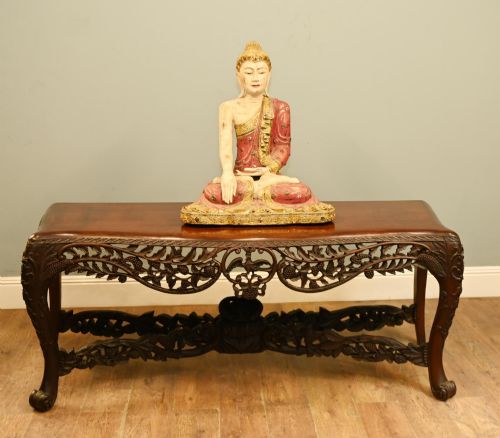
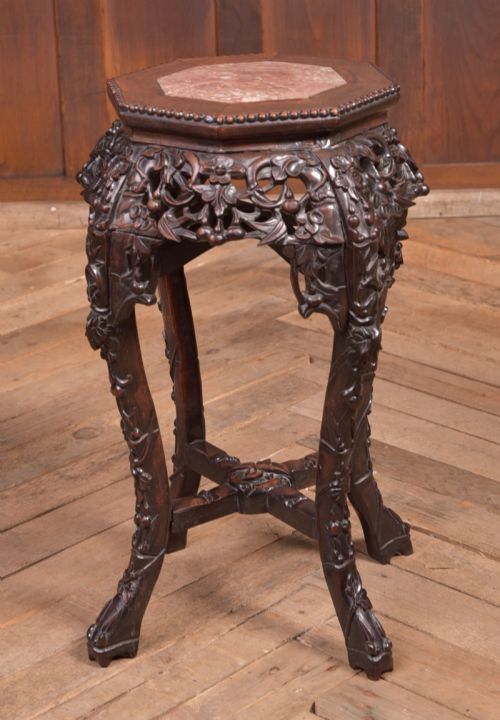
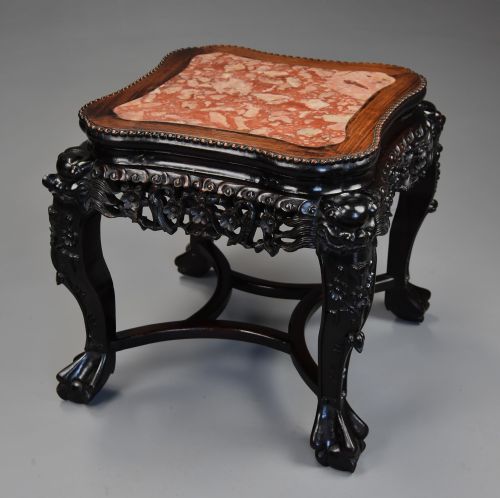
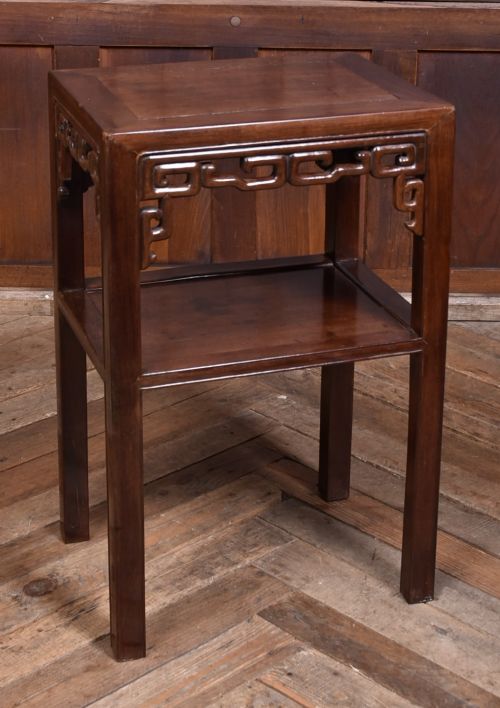
These substantial chinese carved rosewood table examples range from low tea surfaces to tall plant pedestals, bringing dense grain and deep relief carving to a room.
Chinese Carved Rosewood Table
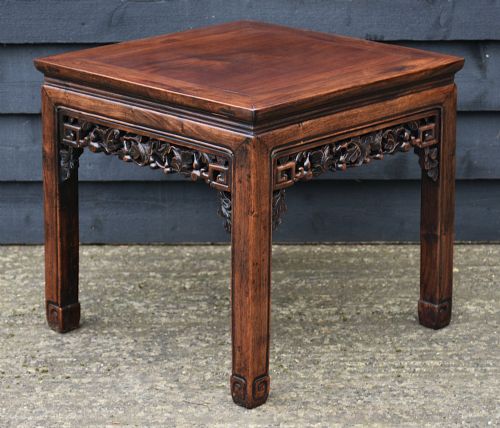
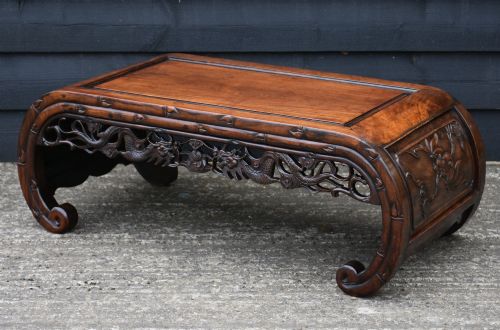
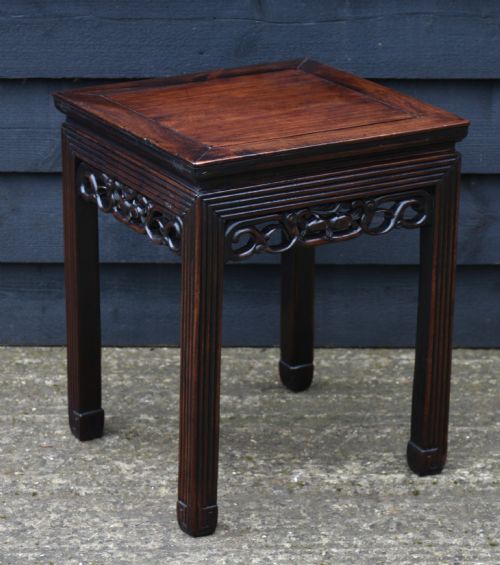
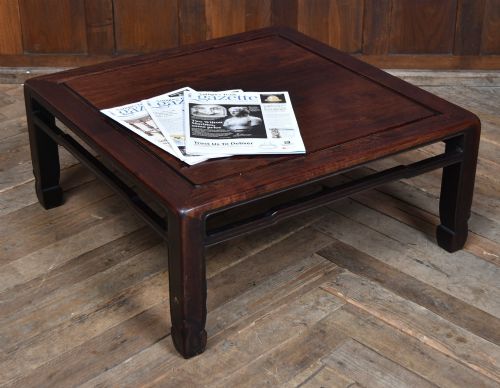
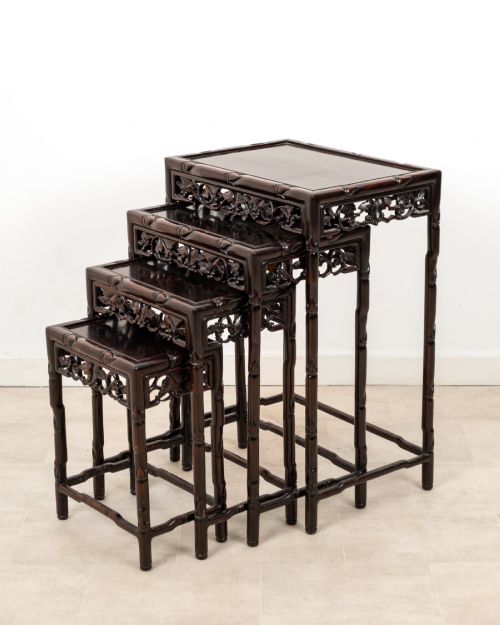
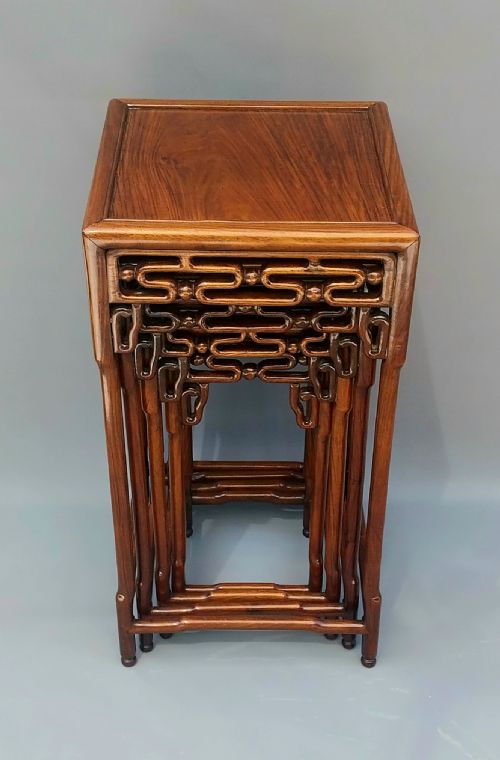
A chinese carved rosewood table appears across several distinct formats designed for display and utility, including low opium tables, nesting sets, square occasional pieces, and tall jardiniere stands. Most examples encountered belong to the nineteenth century, stretching from Victorian and Edwardian periods into the late Qing dynasty.
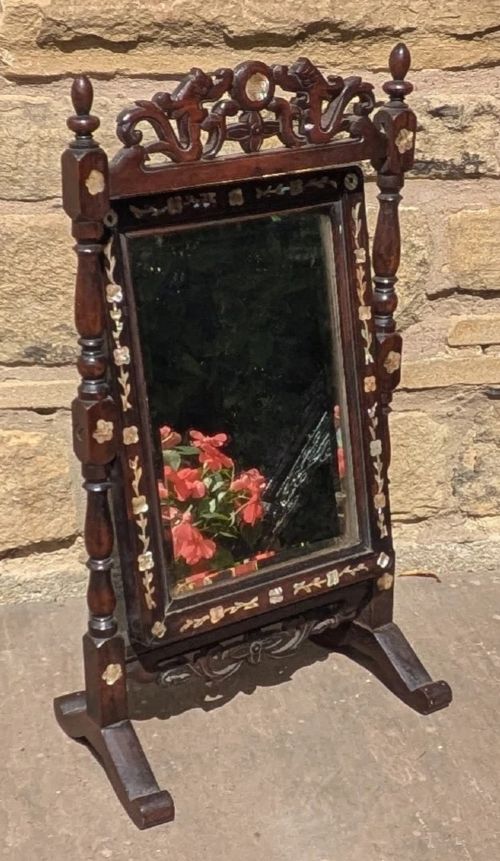
Makers utilised dense timbers to create functional surfaces that double as sculptural objects, often incorporating inset marble panels or mother-of-pearl inlay within traditional frames. These forms served specific domestic roles in both Chinese interiors and Western export markets, functioning as vase stands, coffee tables, or altar surfaces.
Materials and technique
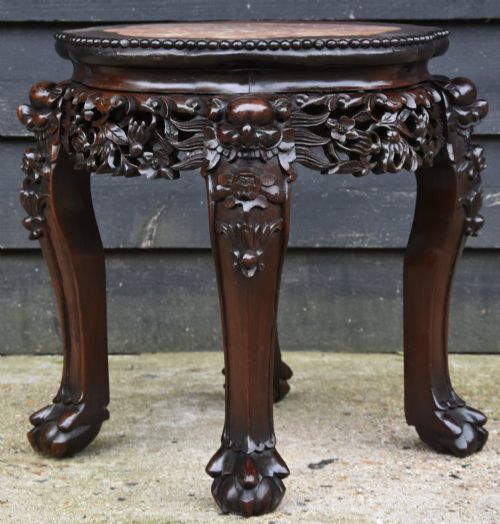
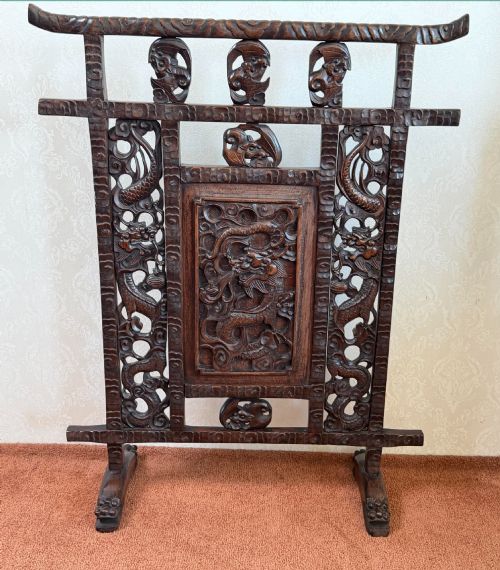
Craftsmen worked with heavy tropical timbers such as rosewood, padouk, and hongmu, selecting them for their natural weight and deep colouration. These dense woods supported intricate hand-carved relief work, including dragon motifs and traditional foliage, without losing structural integrity.
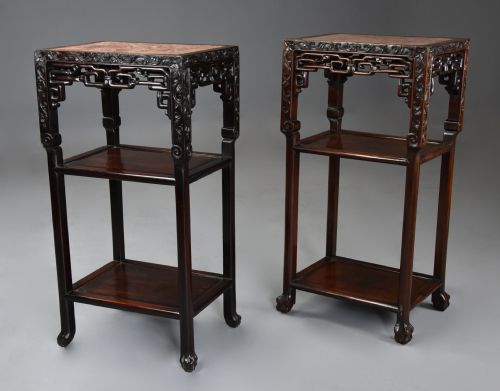
Many surfaces integrate circular or rectangular marble panels inset directly into the timber frame, providing a cool, stable display area for ceramics. Mother-of-pearl inlay appears frequently, contrasting sharply against the dark grain of the surrounding hardwood.
Listings feature items dated across the nineteenth century, Victorian era, and early twentieth century, constructed from rosewood, padouk, and hongmu.
Differentiating examples
The distinction between standard pieces and the finest work lies in the depth and crispness of the hand carving, where superior examples exhibit sharp undercut foliage and sharply defined dragon details rather than shallow, soft tooling. The choice of secondary materials, such as the grain pattern of an inset marble top or the precision of mother-of-pearl geometric inlay, elevates the status of an individual table.
Proportion and joinery execution separate modest production from exceptional studio output, particularly in complex forms like nesting tables or multi-tiered plant stands where stability depends entirely on tight structural fitting. Timber selection also dictates grade, with heavier, uniformly dark rosewood and hongmu commanding greater appreciation than mixed secondary hardwoods.
The Chinese Carved Rosewood Table Glossary
- Rosewood
- A dense, heavy tropical timber prized for its dark colour and strong grain pattern. It forms the primary structural material for traditional Chinese carved tables.
- Jardiniere stand
- A tall, narrow pedestal designed specifically to elevate a ceramic plant pot or flower bowl. These pieces often feature circular marble tops and cabriole legs.
- Hongmu
- A categorical Chinese term translating to red wood, applied to various dense, dark hardwoods used in quality furniture construction. It possesses similar weight and finish characteristics to rosewood.
- Marble inset
- A polished stone slab fitted flush into the wooden surface of a table top. This provides a heat-resistant and decorative centrepiece.
- Mother-of-pearl
- The iridescent inner layer of certain mollusc shells, cut into thin pieces and embedded into timber. It creates contrasting floral or geometric patterns against dark wood.
Chinese Carved Rosewood Table: Frequently Asked Questions
What is a chinese carved rosewood table used for?
These tables served traditional domestic purposes in China, such as holding tea sets, scholar's items, or decorative vases. In Western homes, they function well as compact coffee tables, lamp surfaces, or plant pedestals.
The sturdy construction of rosewood and padouk allows these surfaces to support heavy ceramic items without strain. Their decorative carvings also make them suitable as central accent pieces in a room.
How do I date a nineteenth century table?
Dating relies on stylistic markers associated with the late Qing dynasty, combined with construction methods visible beneath the frame. Pieces from the nineteenth century typically feature hand-cut joinery and heavy tropical hardwoods.
Evidence from nineteenth-century production often shows hand-carved dragon motifs or geometric mother-of-pearl work. Later copies from the twentieth century tend to use simpler machine finishing and lighter secondary woods.
Are marble top tables fragile?
The inset marble panels are heavy and stable within their wooden frames, but they remain susceptible to impact fracturing. Normal daily use with lamps or small objects presents no risk to the stone.
Maintenance simply requires avoiding harsh chemical cleaners that can dull the polished surface of the marble. The surrounding rosewood frame benefits from occasional gentle waxing to preserve the timber finish.
What is the difference between rosewood and padouk?
Both are heavy tropical hardwoods used interchangeably in traditional Chinese furniture making. Rosewood typically displays a darker, more uniform brown colour with fine grain lines.
Padouk often exhibits a slightly warmer reddish tint under clear finishes. Both timbers offer the structural density required for deep relief carving.