




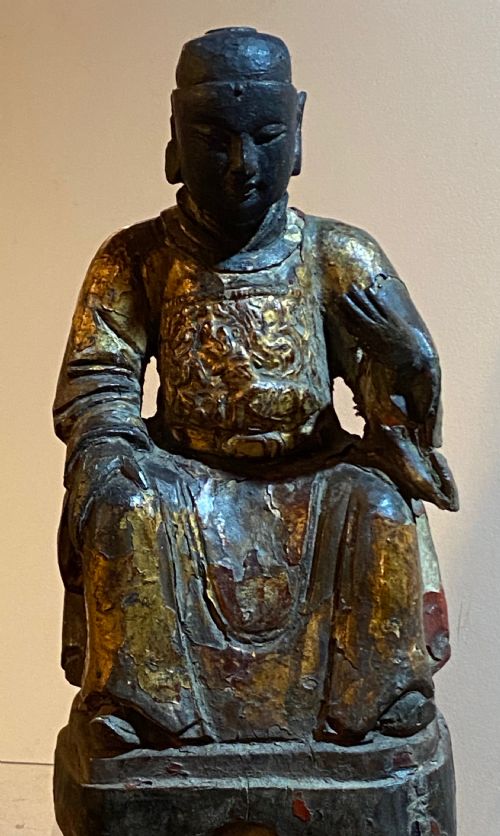


Chinese Carved Deity Statue
A chinese carved deity statue brings centuries of ritual history and exceptional sculpture into a room, offering both spiritual presence and material depth.
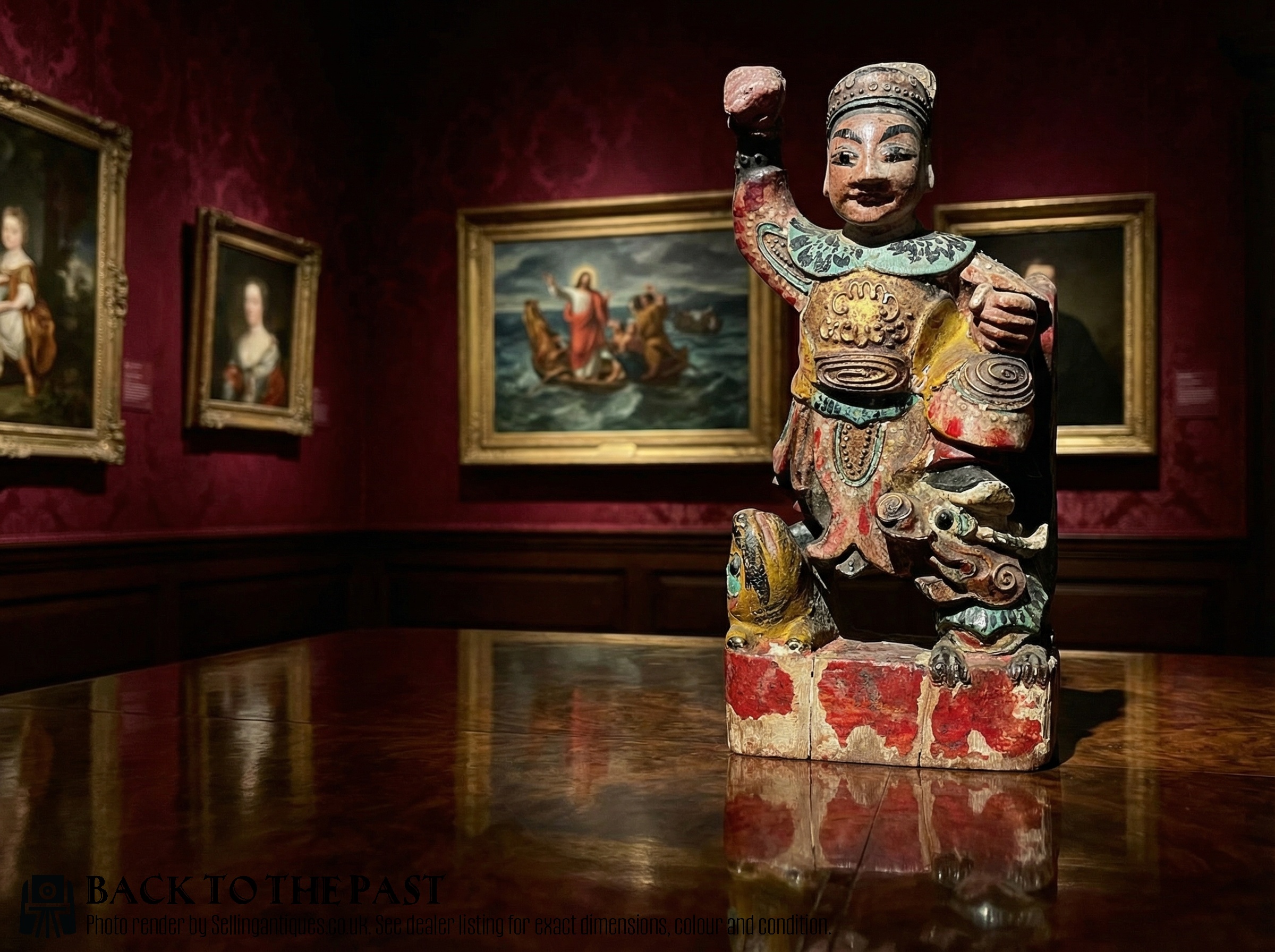
Chinese Carved Deity Statue
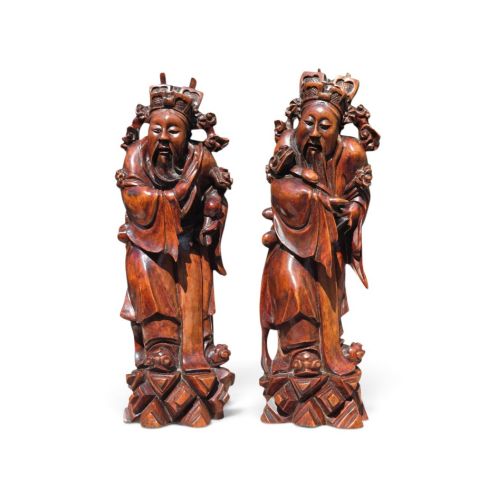
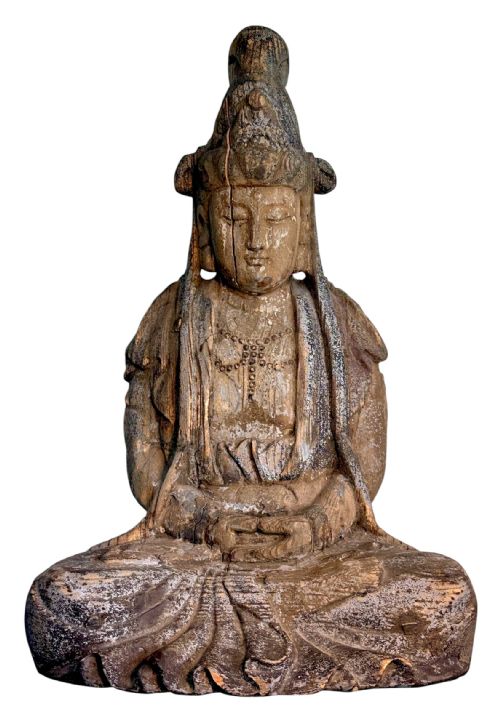
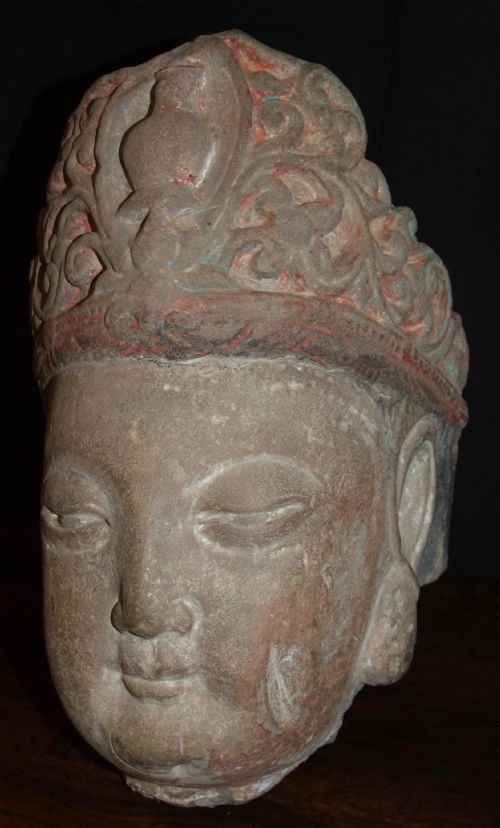
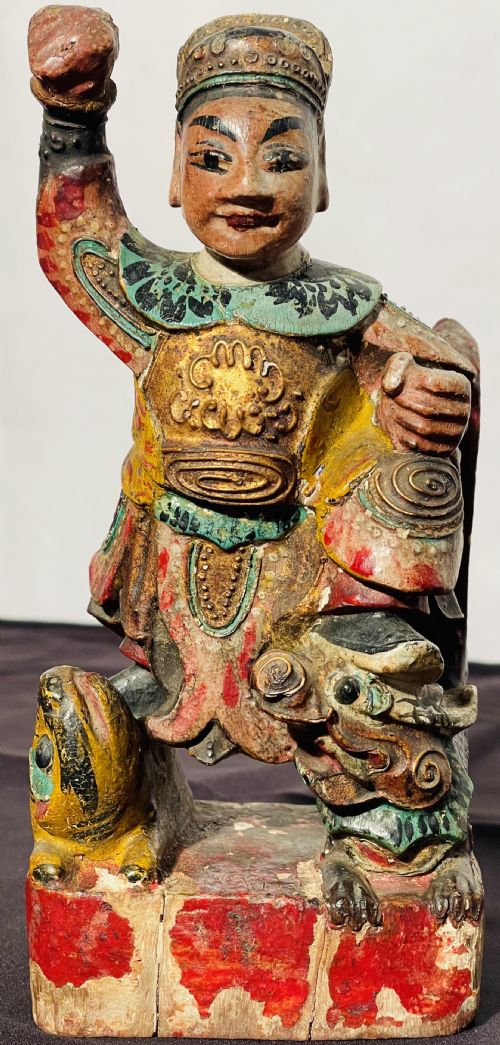
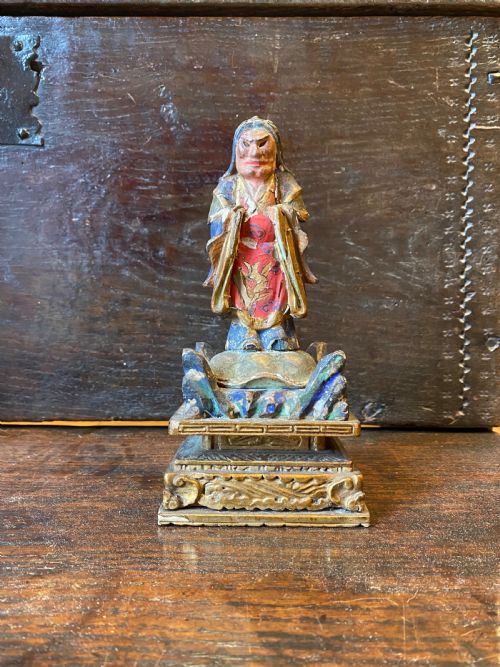
A chinese carved deity statue encompasses figures from various traditions, ranging from Daoist immortals and temple guardians to depictions of Buddha and Quan Yin. These sculptures record centuries of devotional art, spanning from the Ming Dynasty through the Qing period and into the early twentieth century.
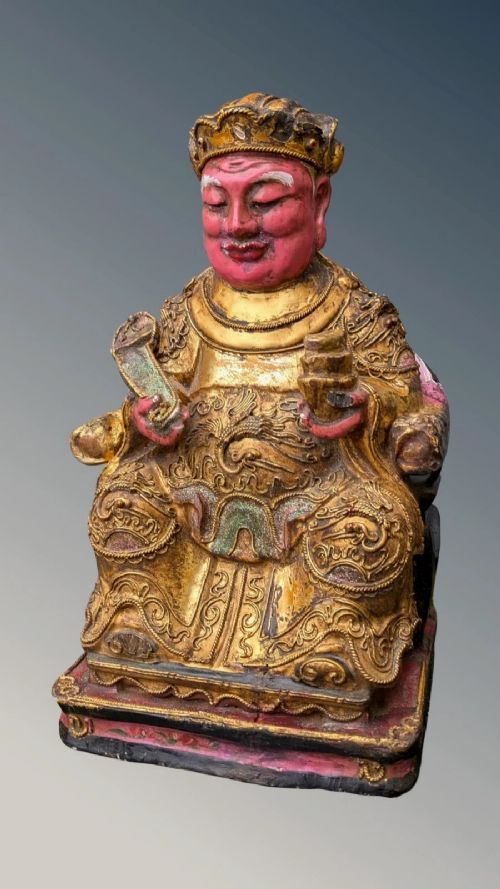
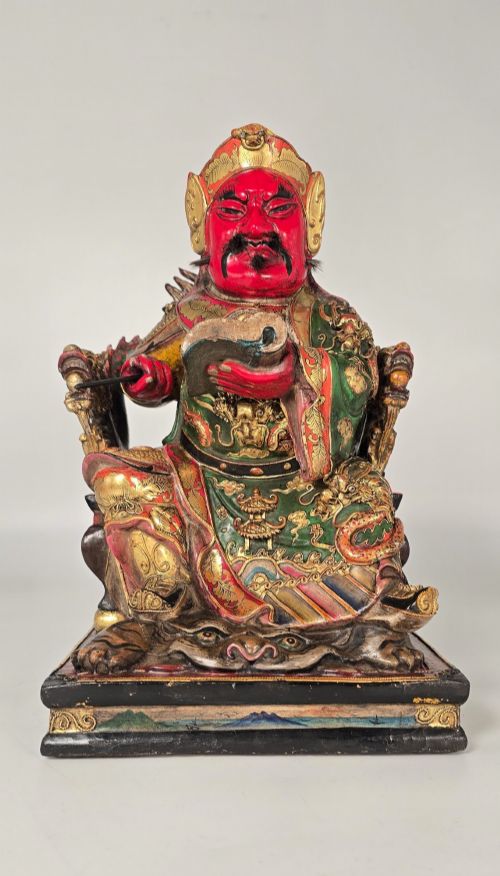
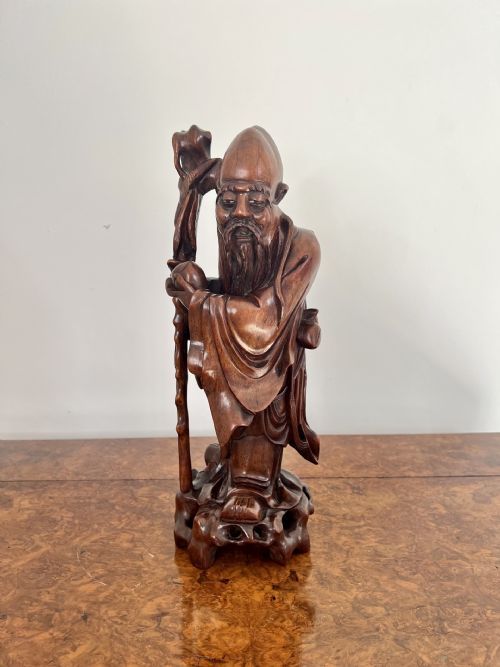
The pieces appearing here take diverse forms, including monumental temple figures, scholar figures, root carvings, and sandstone heads. Most examples rely on traditional wood, often enriched with polychrome pigment, gold leaf, or lacquer.
Buyers exploring this selection encounter representations that served both domestic altars and larger temple settings. The origins reflect traditional Chinese art and Sino-Tibetan craftsmanship across distinct historical eras.
Materials and methods
Carvers utilised dense timbers, including hardwood and bamboo, shaping the core form with hand tools before applying surface decoration. Many sculptures received layers of gesso to smooth the grain for subsequent painting.
Several figures hold subtle symbolic items, reminding us that ancient deities occasionally doubled as celestial bureaucrats.
Factors of quality
Superior examples demonstrate confident anatomical proportion, crisp tool work in the drapery folds, and balanced facial expressions that convey dignity. The handling of the material shows intentional depth rather than superficial surface pattern.
The survival of original pigment, gold leaf, and lacquer adds significant character, showing natural wear over centuries rather than heavy restoration. Hardwood figures with a deep, handled patina command particular attention for their material integrity.
The Chinese Carved Deity Statue Glossary
- Polychrome
- Decorated in multiple colours. This technique involved applying various mineral and vegetable pigments directly to the wood or gesso surface.
- Gilt
- Covered with a thin layer of gold leaf or gold paint. This finish was often applied to sacred figures to denote spiritual importance and light.
- Gesso
- A plaster mix applied to a wooden base to create a smooth surface for painting or gilding. It helps bind the decorative layers to the carved timber.
- Lacquer
- A durable varnish made from tree sap, applied in multiple coats and polished. It protected the underlying wood and provided a glossy finish.
- Patina
- The surface sheen and colour developed through age, handling, and exposure to light. A good patina indicates genuine historic use.
Chinese Carved Deity Statue: Frequently Asked Questions
How do I care for a wooden deity statue?
Keep the sculpture away from direct sunlight and fluctuating heat sources to prevent the wood from splitting or the polychrome surface from flaking.
Dust the piece gently with a dry, soft brush rather than using wet cloths or chemical cleaning products.
Where were these statues originally placed?
Many figures stood in domestic shrines, ancestral halls, or major temples for veneration and ritual offerings.
Smaller pieces often served personal devotions within the home of a scholar or merchant.
How do I distinguish Ming Dynasty works from Qing period pieces?
Ming Dynasty sculptures often display heavier use of stone or distinct architectural styling, while Qing period items frequently feature intricate wood carving with detailed polychrome and gilt finishes.
Stylistic conventions in the garments and facial structure provide further clues to the specific era of manufacture.
What does polychrome paint indicate on antique wood?
Polychrome decoration shows how the sculpture looked when first commissioned for ritual use, adding layers of colour to the carved details.
Remaining traces of pigment help historians date the work and understand regional artistic preferences.