


Chinese Bronze Statue
A chinese bronze statue brings weight, narrative and centuries of metalwork tradition straight into a room.
Chinese Bronze Statue
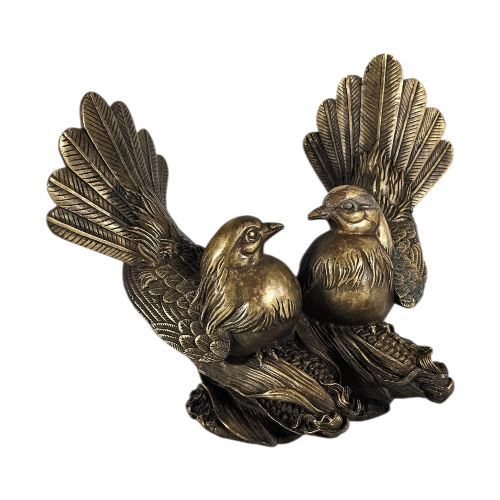
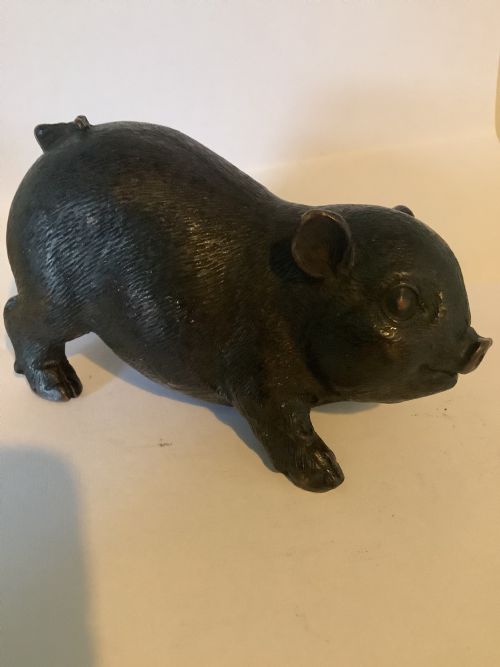
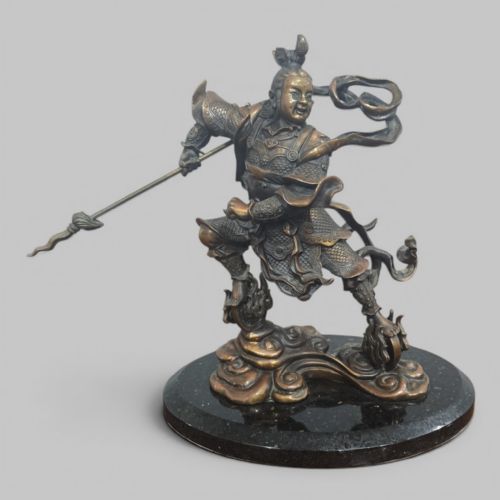
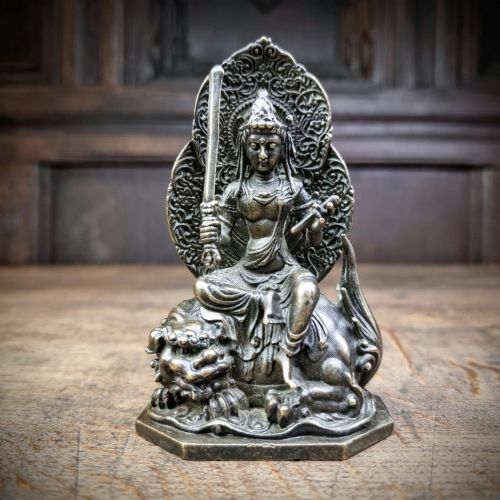
A chinese bronze statue encompasses figurative sculptures, deities, animals and scholar's objects cast in metal across multiple centuries. These works range from small scroll weights and bird figures to imposing temple lions and multi-kilogram figures of Guanyin.
The versions most frequently met on this page date from the nineteenth century and the early twentieth century, spanning Qing dynasty and traditional styles. Alongside solid metal figures, buyers encounter gilt bronze, brass, cloisonne enamel and combinations involving wood or marble bases.
How they were made
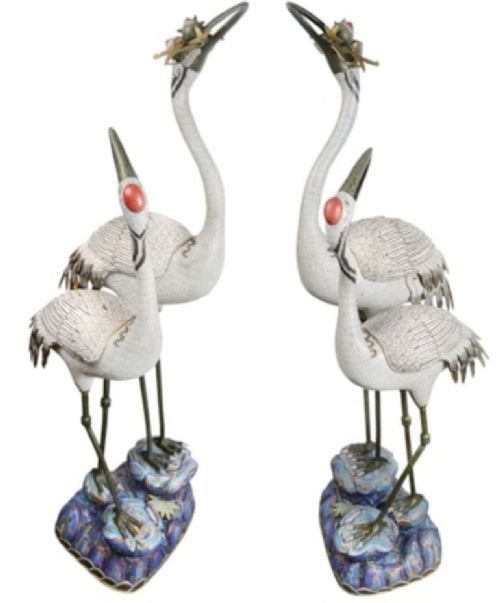
These pieces rely primarily on bronze, brass and copper alloy casting methods, often enhanced with gilt applications or polychrome finishes. Artisans also integrated cloisonne enamel work to add colour and decorative detail to cranes, vessels and figurative subjects.
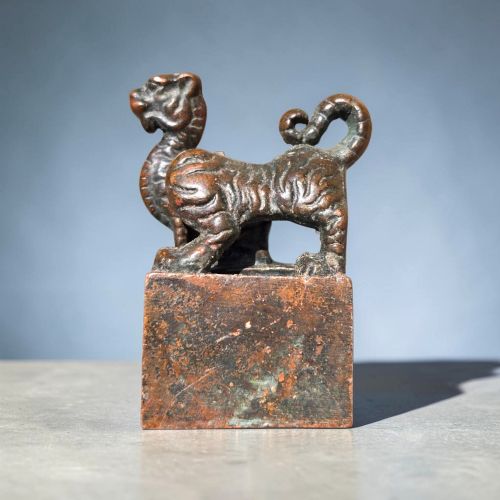
Many works show careful attention to surface finish, from finely cast scroll weights to heavy temple temple lions and complex scholar's seal sets. Supporting elements such as mahogany wood components and marble plinths occasionally accompany the metalwork.
What varies in quality
Quality rests in the crispness of the casting and the sensitivity of the modelling, distinguishing fluidly rendered animals and expressive deities from stiffer, repetitive work. Heavier, substantial pieces often demonstrate greater ambition in scale and structural complexity.
The presence of refined surface treatments, such as controlled gilding, detailed chasing and intact cloisonne enamel, separates standard decorative items from superior examples. The integrity of associated marks and the harmony of mixed materials also influence the standing of a piece.
The Chinese Bronze Statue Glossary
- Bronze
- An alloy consisting mainly of copper, traditionally combined with tin, used extensively for durable sculptures and ritual vessels. It develops a rich patina over centuries of handling and exposure.
- Guanyin
- A revered bodhisattva of compassion frequently depicted in statues standing upon lotuses or resting near water creatures. These figures appear across multiple dynasties and later nineteenth-century revivals.
- Cloisonne
- A decorative metalwork technique where thin wire creates partitioned cells filled with vitreous enamel paste before firing. This method yields vibrant coloured surfaces on cranes and ritual objects.
- Qilin
- A mythical hooved chimerical creature symbolising good omen and prosperity in Chinese tradition. Statues of this beast often incorporate intricate horn and scale detailing.
- Censer
- A vessel designed for burning incense, sometimes fashioned into the shape of boats, mythical beasts or architectural forms. These objects combine utilitarian function with sculptural artistry.
Chinese Bronze Statue: Frequently Asked Questions
How do I date a Chinese bronze statue?
Dating relies on stylistic markers, casting techniques, and any reign marks or dynastic references present on the piece. Nineteenth-century examples often display distinct patination and specific sculptural proportions compared to earlier Ming or Qing iterations.
Examining the base and interior surfaces provides further clues regarding manufacturing methods and age. Comparing the piece against documented archives helps verify its chronological placement.
Where were these statues placed originally?
Many figures served devotional purposes in domestic shrines or temples, while others functioned as scholar's desk objects or decorative display pieces. Large temple lions guarded entrances, and smaller figures adorned interior spaces.
Incense burners and scholar's objects occupied functional positions in studies and reception rooms. Their placement reflected both spiritual significance and aesthetic appreciation.
How should I clean a bronze statue?
Dusting gently with a soft, dry cloth is the safest method for routine maintenance. Avoid chemical cleaners, abrasive pads, or water, which can strip away desirable patination and damage delicate gilt or enamel surfaces.
Professional conservation advice should be sought if the metal requires deeper intervention or stabilisation. Preserving the natural surface skin maintains the integrity and character of the object.
What is a scholar's object?
Scholar's objects are small, refined items created for the desk of a traditional scholar, bureaucrat, or literati member. These pieces include brush rests, small water droppers, seal sets, and miniature bronze sculptures.
They were designed to inspire contemplation, poetry, and scholarly pursuits. Their craftsmanship emphasises subtlety, tactile quality, and symbolic meaning.