


Chinese Brass Vases
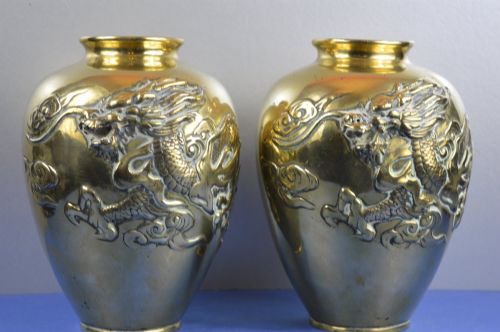
These chinese brass vases bring heavy metalwork and intricate dragon motifs from nineteenth and early twentieth century workshops straight into a room.
Chinese Brass Vases
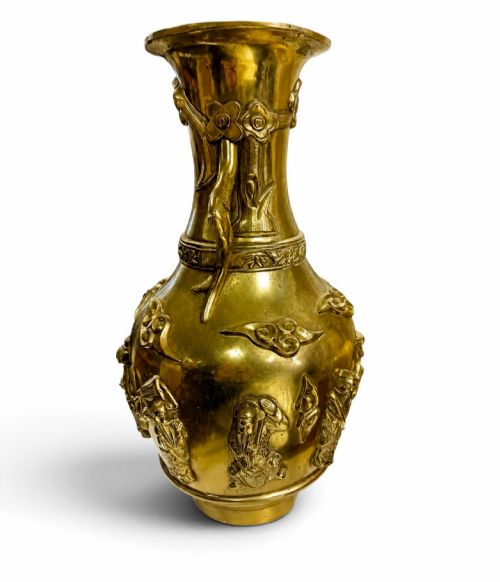
When you search for chinese brass vases, you encounter heavy metal vessels carrying surface decoration rooted in nineteenth century and Edwardian output. The pieces appearing here range from small antique vessels to tall pairs featuring cast dragons, ritual forms, and oriental taste motifs.
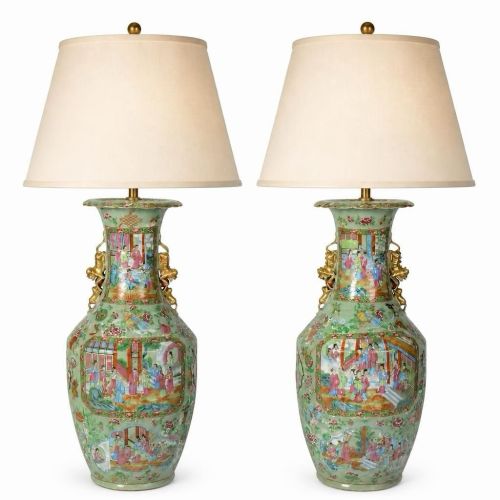
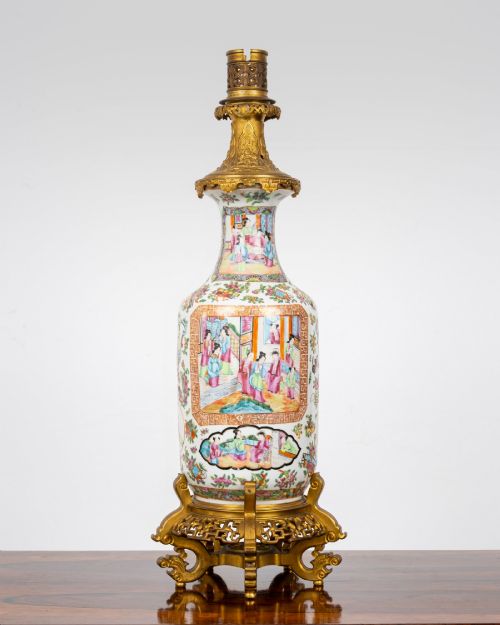
Many examples on this page date from the nineteenth century or the early decades of the twentieth century, often showing high relief castings or gilt highlights. Alongside solid metal vessels, you will find porcelain and crackle-glaze bodies fitted with brass mounts or converted into table lamps.
Materials and construction
Makers utilised brass, copper alloys, and bronze, often casting vessels in sections before chasing the surface details by hand. High-relief elements such as dragons and Daoist immortals were cast separately or worked directly into the metal body.
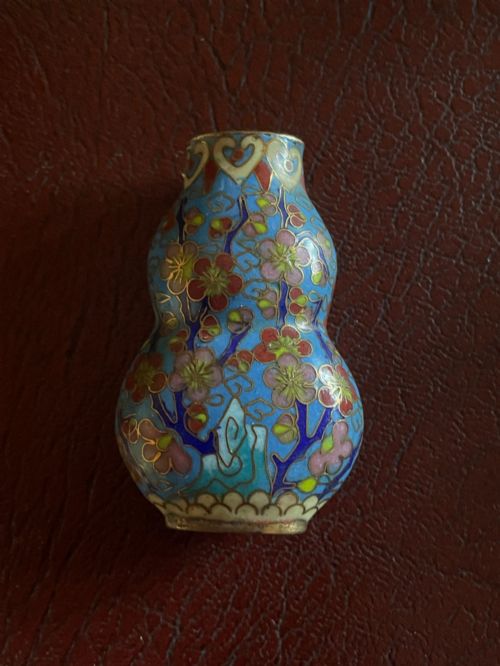
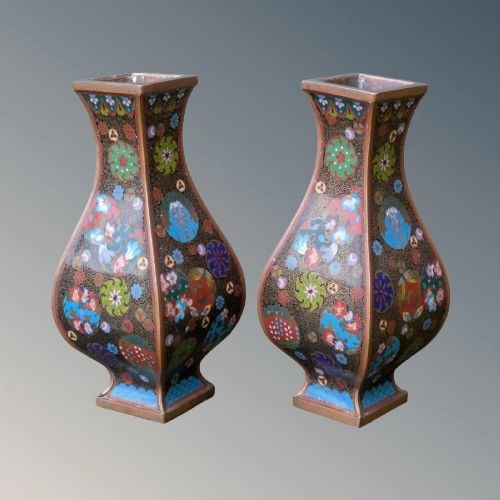
Surface treatment frequently combined patinated brass with gilt bronze highlights, enamel work, or cloisonné cells. Where porcelain or crackle-glaze ceramic bodies occur, they are secured with fitted brass mounts and bases.
Several heavy dragon vases weigh over five kilograms, making them surprisingly effective doorstops if not displayed securely.
Judging the work
Weight and stability matter considerably in these metal vessels, particularly with larger baluster forms and paired items. Heavier gauges of brass and balanced bases indicate more substantial craftsmanship originating from established workshops.
The Chinese Brass Vases Glossary
- Baluster
- A vertical vase form with a rounded body and a narrow neck. This shape echoes architectural columns and provides a stable base for heavy metal casting.
- Cloisonne
- A metalworking technique where flat wires are soldered to a body to create cells, which are then filled with enamel paste and fired. It often appears alongside solid brass elements in oriental decorative arts.
- Xuande
- A historical Chinese imperial reign mark often stamped or cast onto the base of later metalwork as a mark of respect rather than an exact date of origin.
- Gilt Bronze
- Bronze or brass treated with a thin layer of gold or gold-coloured wash. This treatment highlights raised motifs like dragons against a darker patinated background.
Chinese Brass Vases: Frequently Asked Questions
What periods do these vases come from?
The pieces listed span the nineteenth century, the Victorian era, and the early twentieth century including Edwardian examples. Production methods in these periods relied on traditional casting and chasing techniques.
While some bear reign marks, these typically reflect traditional styles rather than precise early imperial dates.
How were these metal vases used?
Original domestic use centred on decorative display within reception rooms, often arranged as pairs on side tables or mantelpieces. The substantial weight of pieces like dragon vases suited prominent placement.
Many surviving examples were later adapted for electrical wiring to serve as table lamps while retaining their original brass bodies.
Are pairs common for these vessels?
Matched pairs appear frequently among surviving metalwork and porcelain bodies with brass mounts. Workshops produced these symmetrical sets for formal interior placement.
Singular pieces also occur, representing items that survived independently over the decades.
How do I care for antique brass?
Preserving the surface requires avoiding harsh commercial cleaning agents that strip away historical patination. Dusting with a dry, soft cloth protects the metal finish.
Leaving the natural age-related oxidation intact maintains the visual character expected in nineteenth-century metalwork.