




Charles X Console Table
These charles x console table examples bring French Restoration elegance and robust seventeenth-century timber presence directly to your room.

Charles X Console Table
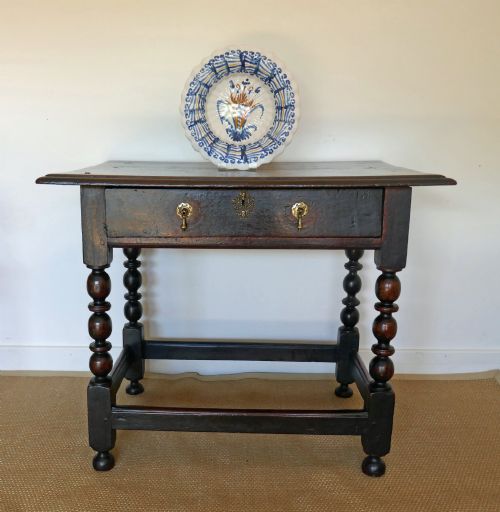
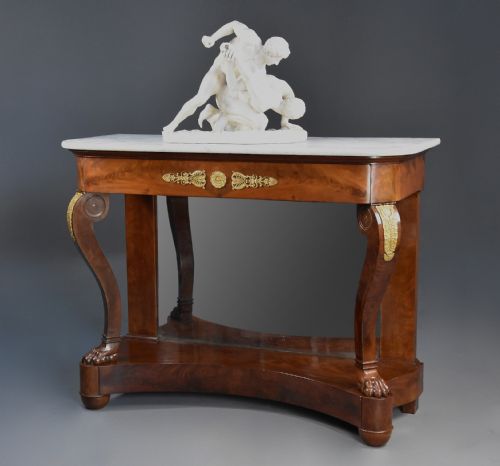
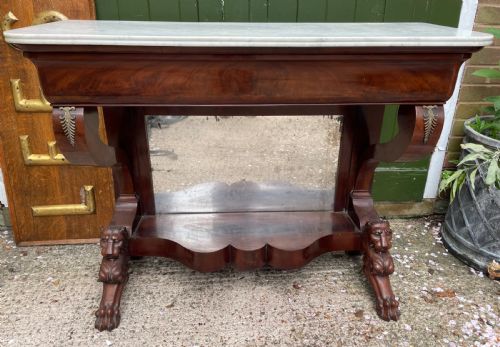
A charles x console table primarily spans the early nineteenth-century French Restoration period, alongside related seventeenth-century English oak pieces sharing similar side table forms. You will most frequently encounter French examples constructed in rich mahogany, walnut, satinwood, or tigerwood, typically finished with a smooth marble top.
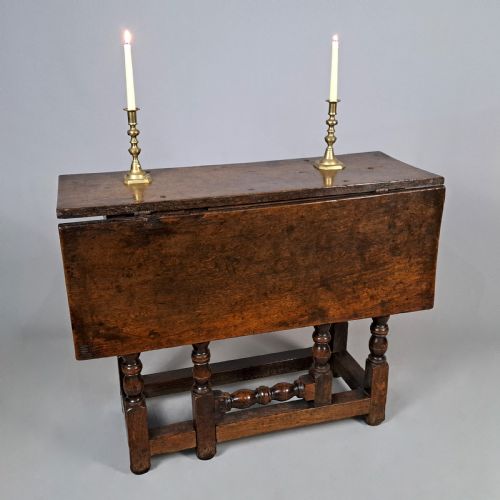
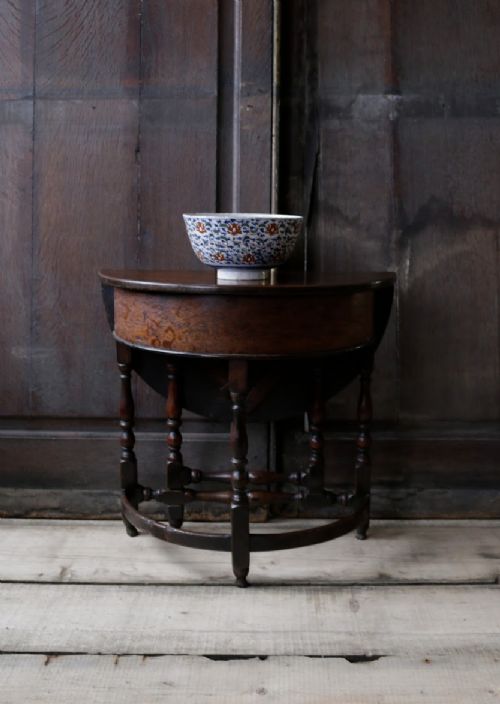
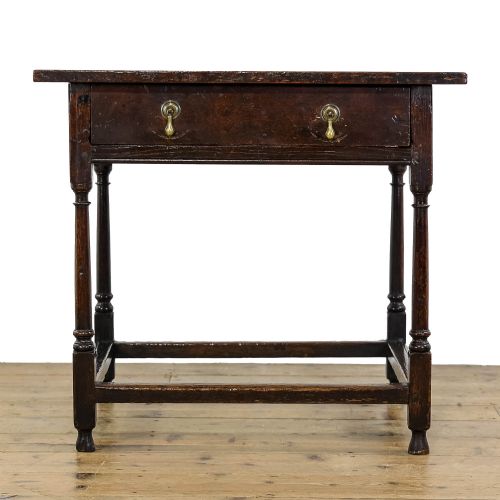
The nineteenth-century pieces from this search phrase often arrive as pier tables designed to sit flat against a wall, sometimes featuring ormolu mounts. Alongside these continental designs, seventeenth-century side tables and box tables appear, built from solid oak with bold proportions.
Materials and construction
Cabinetmakers built these tables using dense hardwoods such as oak, mahogany, walnut, satinwood, and tigerwood, often pairing timber frames with heavy marble slabs. Continental makers utilised fine veneers over stable carcases, while seventeenth-century joiners relied on thick solid oak planks.
Materials appearing across these records include oak, brass, marble, mahogany, glass, ormolu, bronze, and satinwood.
Judging quality in a charles x console table
Quality rests upon the selection of timber veneers and the crispness of any applied bronze or ormolu mounts. Tables displaying well-figured mahogany, walnut, or satinwood show greater attention to visual harmony.
The integrity of the marble top and the balance of the underlying timber structure dictate the standing of a piece. Finer examples maintain crisp mouldings and structural honesty across both French Restoration and seventeenth-century forms.
The Charles X Console Table Glossary
- Console table
- A table designed to be fixed against a wall, traditionally supported by front legs or brackets while relying on the wall for ultimate stability.
- Ormolu
- Gilt bronze ornamentation applied to furniture, frequently found on French nineteenth-century pieces of this type.
- Carrara marble
- A type of white or blue-grey marble sourced from Italy, commonly used for the tops of French console tables.
- Pier table
- A low table designed specifically to stand against the wall space between two windows.
- Tigerwood
- A descriptive term for timber displaying striking, tiger-stripe grain patterns, seen on select nineteenth-century tables.
Charles X Console Table: Frequently Asked Questions
Where should I place a console table?
These tables suit hallways, living rooms, and dining spaces where wall placement provides stability. Their shallow depth allows them to sit neatly in narrow passages without obstructing movement.
Pairing a console table with a matching mirror or placing it beneath a prominent wall hanging creates a balanced focal point in a room.
How do I clean a marble top?
Wipe the marble surface regularly using a soft cloth dampened with warm water and mild, pH-neutral soap. Avoid acidic cleaners, vinegar, or citrus solutions, which etch and dull the polished stone.
Dry the surface thoroughly after cleaning to prevent water spots and maintain the natural lustre of the marble.
Are these tables sturdy enough for daily use?
Solid timber pieces from the seventeenth century offer robust construction suited to everyday placement. French Restoration examples require slightly more care due to their veneered surfaces and polished stone tops.
Distributing weight evenly and avoiding excessive knocks to the edges keeps the structure secure over decades of use.
How do I distinguish French and English pieces?
French pieces from this category typically date to the nineteenth century, utilising mahogany, walnut, or satinwood with marble tops and occasional ormolu mounts. English examples lean towards seventeenth-century oak side and box tables with bold, utilitarian proportions.
Examining the underlying timber framing and finish usually clarifies the regional origin and period of the furniture.