


French Restoration Furniture
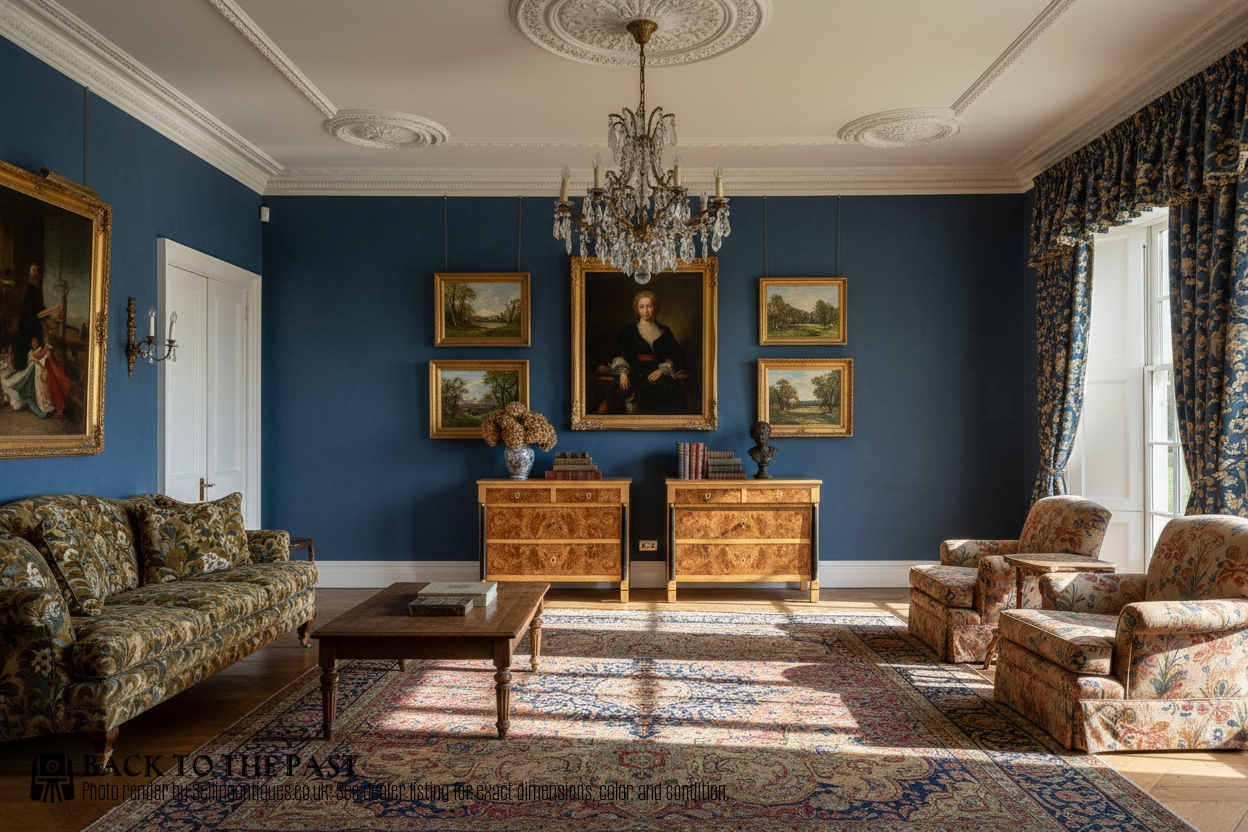
French restoration furniture brings the refined restraint of the Charles X and Bourbon eras into a room with striking timber grain and marble surfaces.
French Restoration Furniture
French restoration furniture spans the early nineteenth century, capturing the stylistic shift away from heavy imperial grandeur towards lighter, figured woods and cleaner architectural lines. Pieces bearing this label often emerge from the Charles X period and the Bourbon Restoration, bridging the gap between late neoclassical severity and domestic comfort.
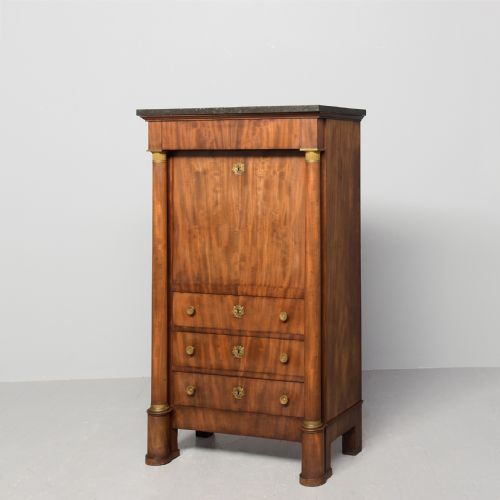
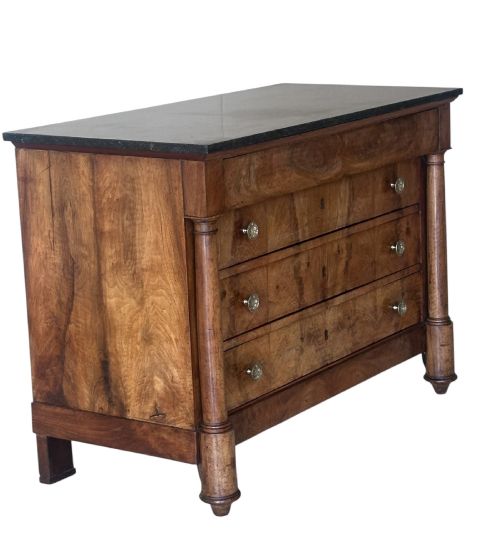
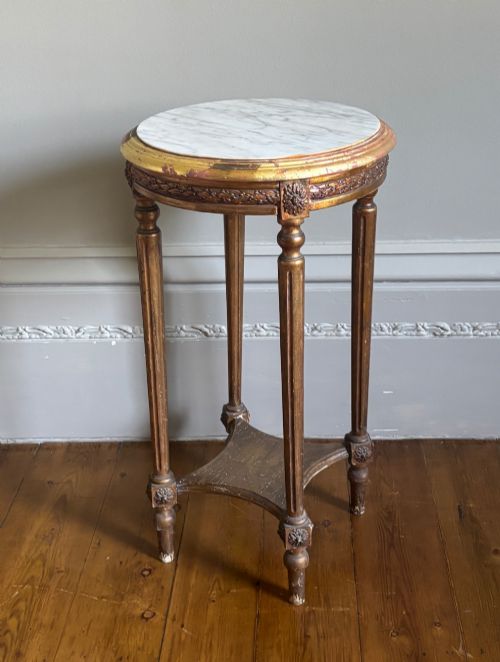
Buyers seeking french restoration furniture typically encounter practical forms designed for daily living, including secretaire abattant cabinets, commodes, and pedestal centre tables. These domestic items showcase the restrained elegance favored during the reigns of Louis XVIII and Charles X.
The material palette of these pieces relies heavily on rich veneers, contrasting strongly with the earlier empire fashion for heavy classical mounts. Walnut, mahogany, burr elm, and satinwood dominate the selection, frequently paired with marble tops in white or grey tones.
Assessing quality
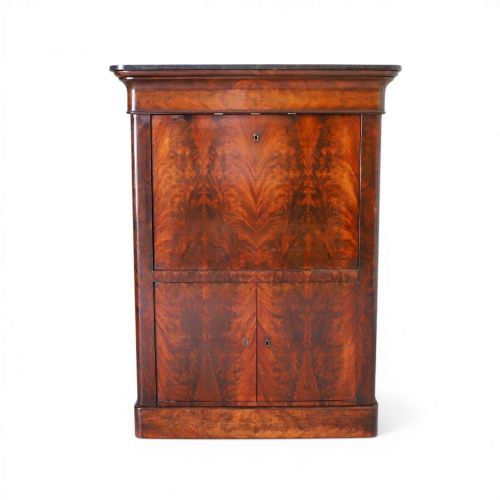
The distinction between standard and exceptional pieces rests primarily on the choice of veneer and the precision of its layout. Superior examples display symmetrical, highly figured grain patterns that wrap harmoniously around the corners and drawers of cabinets and commodes.
Construction methods also separate workshop output, visible in the snug fit of secret drawers within a secretaire abattant and the stability of pedestal joints on centre tables. Original marble tops and untouched surface patination elevate the standing of any piece within this stylistic group.
French Restoration Furniture Retail Price Guide 2026
Typical asking prices for french restoration furniture among the pieces listed under this phrase on Sellingantiques today, from the lower quarter to the upper quarter. They describe what is for sale here now, not the wider market.
Secretaire abattants and commodes dominate the storage forms listed in this collection.
Jacob-Desmalter
The French Restoration Furniture Glossary
- Secretaire abattant
- A tall upright cabinet featuring a drop-down writing flap that conceals an interior arrangement of small drawers and pigeonholes. This form kept correspondence secure and private in nineteenth-century interiors.
- Gueridon
- A small circular table supported by a single central pillar and a tripod base, frequently topped with marble. These tables served multiple functions in the drawing room, from holding lamps to displaying decorative objects.
- Commode
- A decorative chest of drawers designed for domestic storage, usually standing lower than a tallboy and often finished with a stone top. The French version during this era emphasises clean architectural proportions.
- Cartonnier
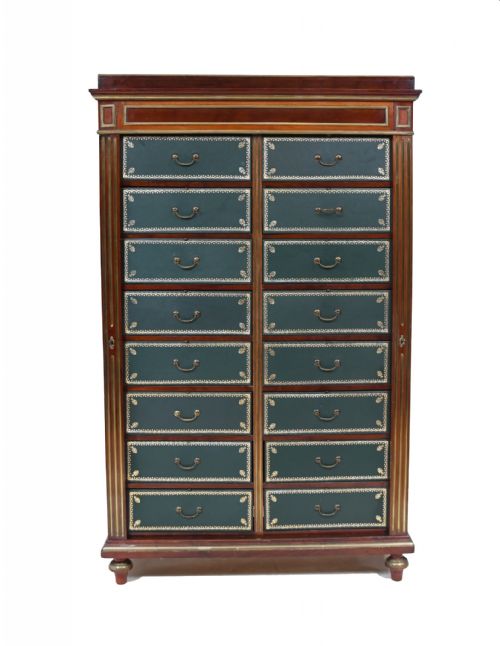
- A specialised piece of furniture fitted with multiple stationary compartments or shallow drawers for holding papers and documents. They appear frequently in libraries and studies from the period.
- Giltwood
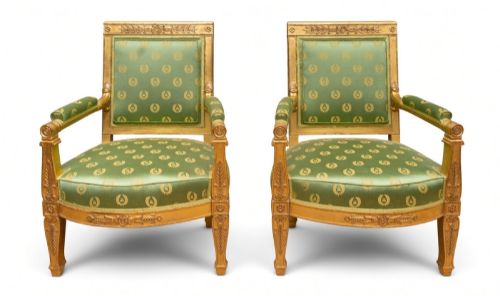
- Timber that has been coated with a thin layer of gold leaf over a prepared gesso ground. It provides a bright metallic finish to the frames of mirrors and grand seating.
French Restoration Furniture: Frequently Asked Questions
What is a secretaire abattant?
A secretaire abattant is a vertical cabinet with a hinged writing surface that folds down to reveal small drawers and compartments.
These pieces were designed to save floor space while providing a dedicated, concealable writing desk for the home.
How do I identify Charles X furniture?
Charles X furniture is characterised by lighter native timbers, geometric veneer patterns, and a general absence of heavy military or imperial bronze mounts.
Pieces from this era often feature figured walnut, mahogany, or elm paired with simple architectural lines and white marble tops.
Where were gueridon tables used?
Gueridon tables served as versatile centre tables in nineteenth-century reception rooms and salons.
Their central pillar construction allowed people to walk around them easily, making them ideal for placing in the middle of a room.
Are marble tops original to these pieces?
Marble tops on commodes and side tables from this period were fitted during initial construction to provide a durable and cool surface.
They rest directly on the wooden frame and match the precise proportions of the cabinet base.