


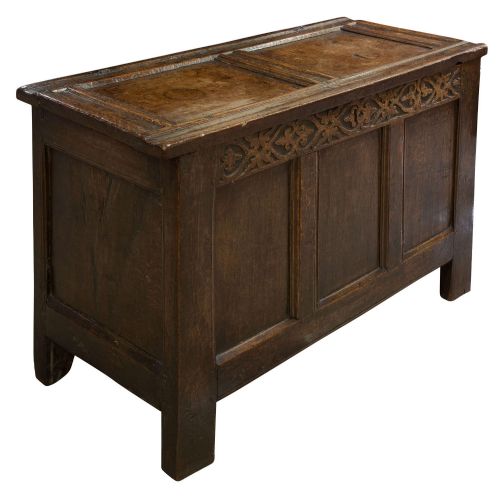


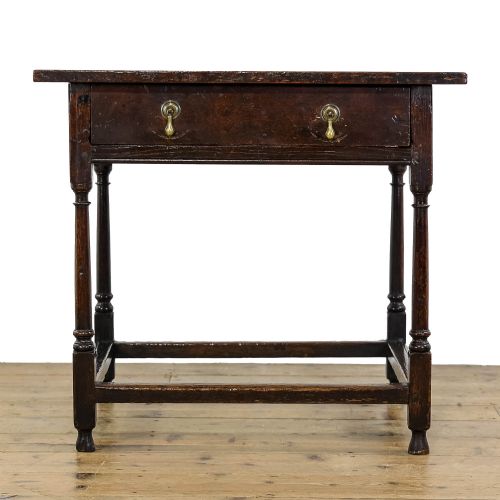
Charles II Oak Box
A charles ii oak box offers solid seventeenth-century craftsmanship and robust storage, making it a staple for period interiors.
Charles II Oak Box
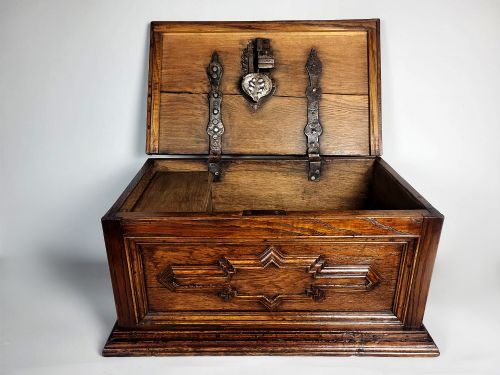
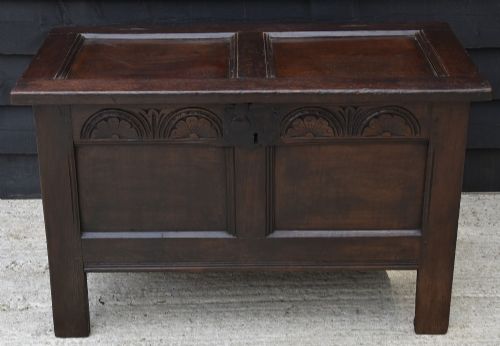
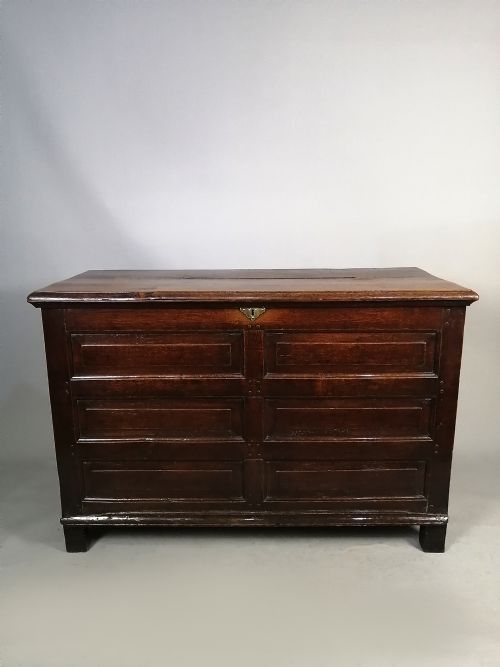
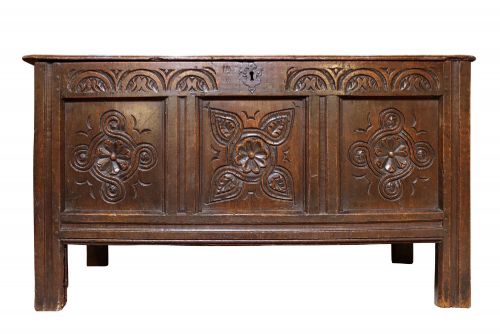
A charles ii oak box encompasses smaller storage forms such as bible boxes, deed boxes, and safe boxes alongside larger coffers, chests, and box stools from the seventeenth century. These sturdy wooden containers span regional styles including Welsh, Lancashire, and West Country examples, capturing the domestic storage habits of the Stuart period.
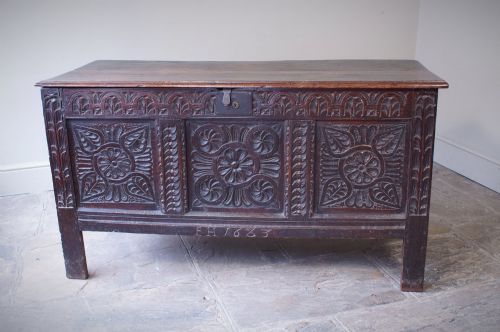
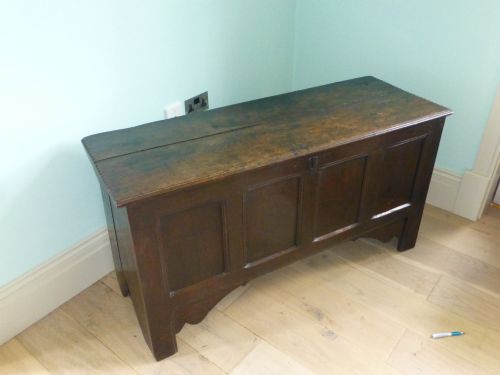
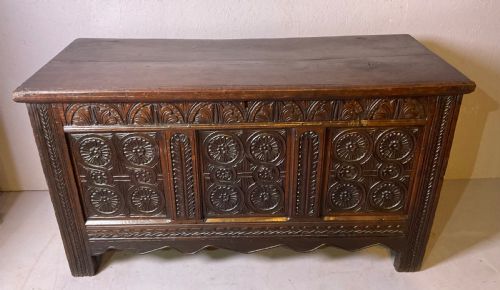
Buyers meet varied formats on this page, ranging from compact boarded bible boxes to panelled coffers and mule chests featuring lower drawers. Many display architectural carvings, scratch carvings, or marquetry inlay that anchor them firmly in the Charles II era.
Materials and construction
Makers built these pieces primarily from solid oak, sometimes combining it with wood inlay or marquetry details. Structural integrity relied on joined or boarded techniques, augmented by wrought iron, brass, and steel hinges, lock plates, and complex original locks.
Surface decoration frequently involved chip carving, scratch carving, or panelled construction using pegged mortise and tenon joints. These traditional methods produced rigid carcasses designed to withstand heavy daily use.
Several boxes preserve complex original steel locks designed to thwart seventeenth-century lockpickers.
Assessing the examples
Quality separates through the integrity of the original hardware and the crispness of the timber carving. Boxes retaining complex steel locks and untouched surface patination stand apart from those with later replacements.
The sophistication of the joinery and regional decorative detailing also define the tier of a piece. Original boards, intact floor panels, and minimal structural alteration elevate the desirability of these seventeenth-century survivors.
The Charles II Oak Box Glossary
- Bible box
- A small desk-form box with a sloping or flat lid, originally built to hold family texts and personal documents. These items often sat upon tables or chests.
- Coffer
- A large, heavy storage chest constructed with a hinged lid, used for blankets, valuables, and household goods. They represent the primary large storage furniture of the seventeenth century.
- Mule chest
- A coffer or blanket box fitted with one or more drawers beneath the main storage well. This transitional form bridges the chest and the modern chest of drawers.
- Joined oak
- Furniture construction utilising framed panels held together by pegged mortise and tenon joints rather than simple boards. This technique provided superior strength and allowed wood to expand and contract.
- Scratch carving
- A simple linear decorative technique scored directly into the surface of the wood using a gouge or scratch stock. It is frequently found on regional seventeenth-century boxes and coffers.
Charles II Oak Box: Frequently Asked Questions
What were charles ii oak boxes used for?
These boxes served secure domestic storage functions for valuables, linen, deeds, and bibles in seventeenth-century households. Their heavy construction and robust locks protected important family documents from theft and damp.
Smaller desk-like versions provided a portable writing surface for literate members of the household. Larger formats doubled as benches or blanket storage at the foot of beds.
How do I care for seventeenth century oak?
Keep these items away from direct heat sources and drastic humidity shifts to prevent timber splitting or joint shrinkage. Regular dusting with a dry cloth maintains the surface without stripping historic patination.
A light application of traditional beeswax can nourish dry oak surfaces when necessary. Avoid modern silicone polishes that build up and alter the natural texture of the wood.
Are all these boxes from the seventeenth century?
The majority date from the seventeenth century, specifically the Jacobean and Charles II periods, though revival pieces occasionally appear. Examining the construction methods, tool marks, and timber shrinkage helps confirm the authentic age of each box.
Original ironwork, hand-cut nails, and pegged joints typically distinguish period originals from later nineteenth-century interpretations. Comparing hardware styles aids in verifying the manufacturing era.
How do regional styles differ?
Regional pieces reflect local woodworking traditions, such as the distinctive carving styles found in Welsh, Lancashire, and West Country workshops. Each area utilised local timber supplies and specific decorative motifs handed down through generations of joiners.
Some regions favoured elaborate panelled fronts with geometric mouldings, while others relied on simpler boarded or scratch-carved surfaces. These variations provide clues to the geographic origin of unprovenanced pieces.