

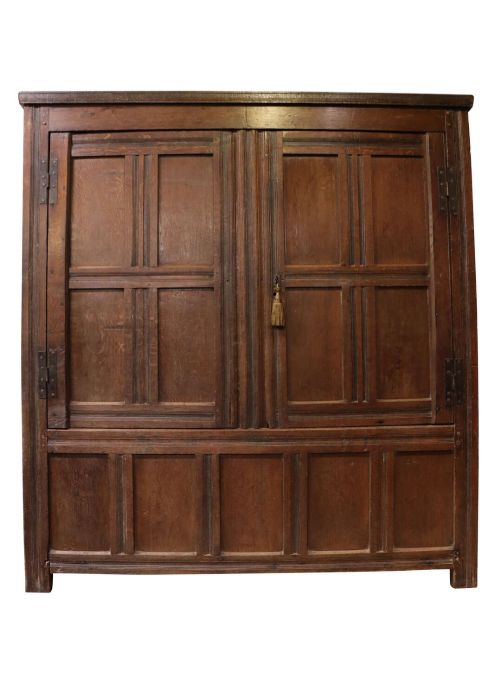


Charles II Cupboard
These charles ii cupboard examples are substantial seventeenth-century timber forms built to hold household provisions, offering an authentic anchor for a historic interior.
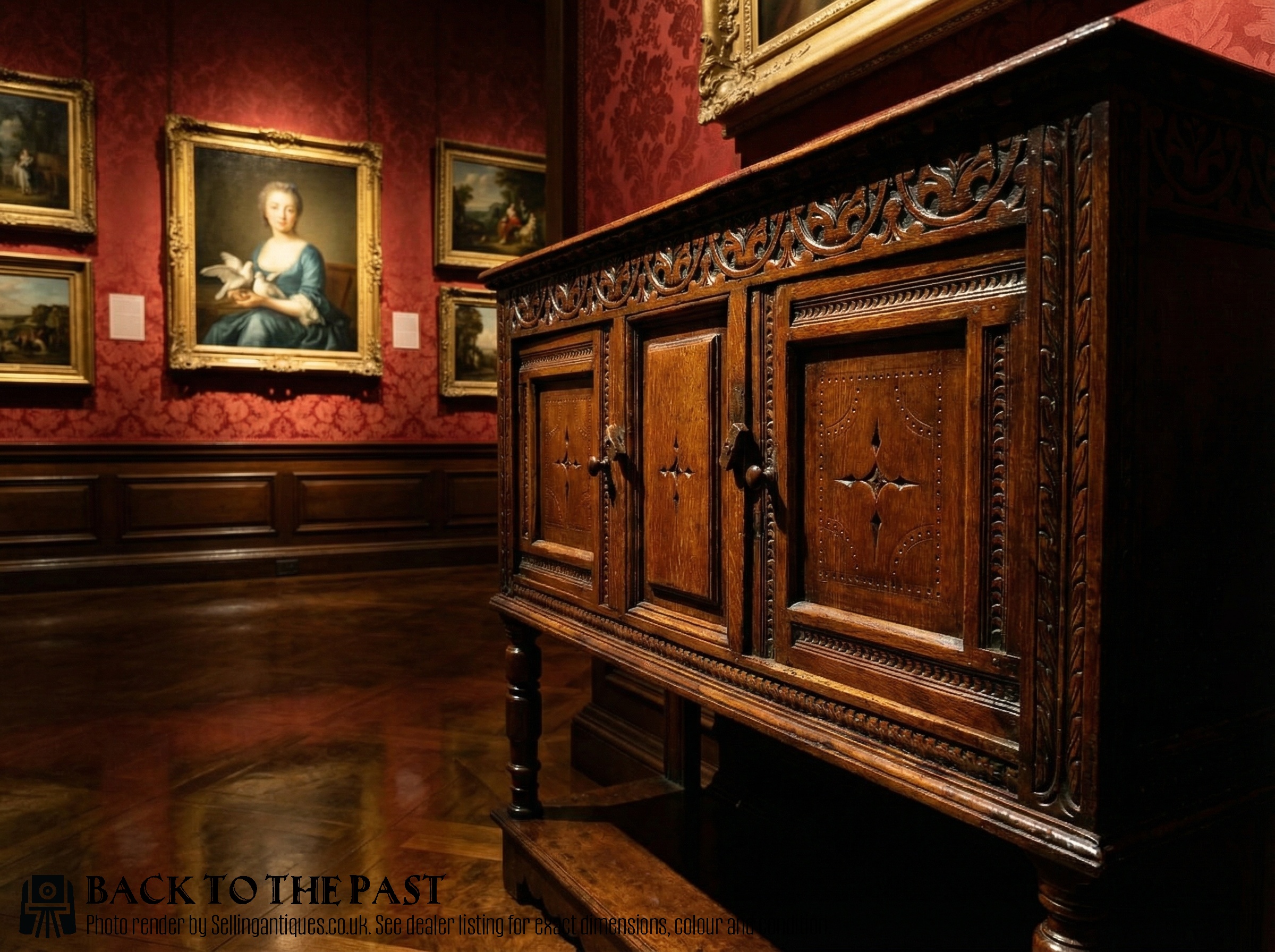
Charles II Cupboard
A charles ii cupboard encompasses a diverse range of seventeenth-century storage forms, from monumental court and press cupboards to smaller wall-hung spice and livery cabinets. You are most likely to encounter sturdy oak court cupboards and regional buffet forms originating from English and Welsh workshops.
The surviving inventory spans multiple distinct regional types including West Country, Lancashire, Yorkshire, and Welsh examples, frequently displaying tiered compartments or enclosed lower sections. These timber pieces served practical domestic functions for storing food, linens, and valuables in substantial households.
Distinctions in quality
The primary distinction rests in the depth and crispness of the original carved decoration, alongside the proportion of surviving timber from the period. Pieces retaining their original fruitwood inlay, initials, or dated inscriptions command greater interest.
Structural integrity and the retention of primary components like internal shelves and original hardware separate exceptional examples from heavily restored instances. Regional distinctiveness, such as the specific regional turns found on Welsh deuddarns or Yorkshire marquetry, further defines the standing of individual pieces.
Charles II Cupboard Retail Price Guide 2026
Typical asking prices for charles ii cupboard among the pieces listed under this phrase on Sellingantiques today, from the lower quarter to the upper quarter. They describe what is for sale here now, not the wider market.
Listings feature oak as the primary material, alongside iron hardware, brass details, and occasional fruitwood inlay.
The Charles II Cupboard Glossary
- Court cupboard
- A heavy seventeenth-century timber storage piece, typically featuring an upper recessed cabinet supported by columns above a larger lower section.
- Livery cupboard
- A small ventilated cabinet historically used for storing rations and food portions before evening meals.
- Deuddarn
- A traditional Welsh two-part cupboard or press, frequently constructed from local oak during the seventeenth century.
- Marquetry
- Decorative veneer work using contrasting wood types, seen on select pieces from Yorkshire and other regional centres.
- Spice cupboard
- A diminutive hanging or table cabinet containing small internal drawers for valuable spices and medicines.
Charles II Cupboard: Frequently Asked Questions
What is a court cupboard?
A court cupboard is a large seventeenth-century storage form featuring an upper tier supported by pillars above a lower cupboard base. These pieces formed the architectural centrepiece of a period dining hall or parlour.
They served primarily for displaying plate and storing household provisions. The enclosed lower sections offered secure storage for linens and dry goods.
How do I date an oak cupboard?
Dating relies on examining construction methods, timber patination, and stylistic markers such as carved strapwork or dated inscriptions. Seventeenth-century examples utilise pegged joinery and solid oak throughout.
Changes in regional vernacular styles and iron hardware help narrow the decade of production. Surviving maker initials or carved dates provide the most direct evidence of age.
Where were these cupboards made?
Makers constructed these pieces across various English regions and Wales, with distinct local traditions developing in places like Lancashire, Yorkshire, and the West Country. Regional workshops utilised local oak supplies and specific carving motifs.
This regional variation means pieces often display characteristic regional turns and structural quirks. Welsh examples frequently take the form of the traditional deuddarn.
How do I care for antique oak?
Antique oak benefits from stable indoor humidity and protection from direct sunlight to prevent timber shrinkage and splitting. Regular dusting with a dry cloth maintains the surface without requiring heavy polishes.
Applying occasional natural wax helps nourish the dry historic timber and preserves the rich patination. Avoid modern silicone-based sprays which can damage the aged finish.