




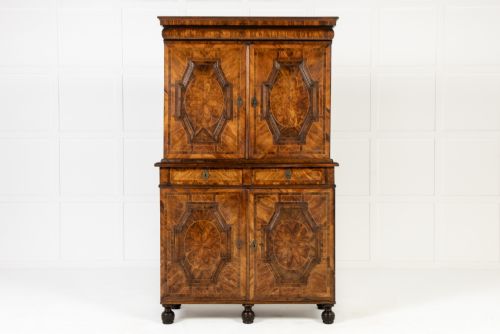


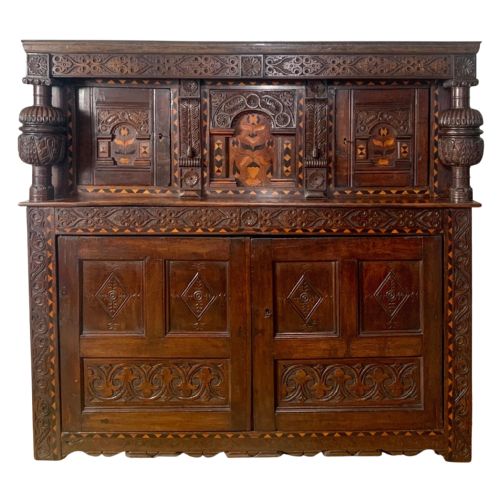
17th Century Buffet Cupboard
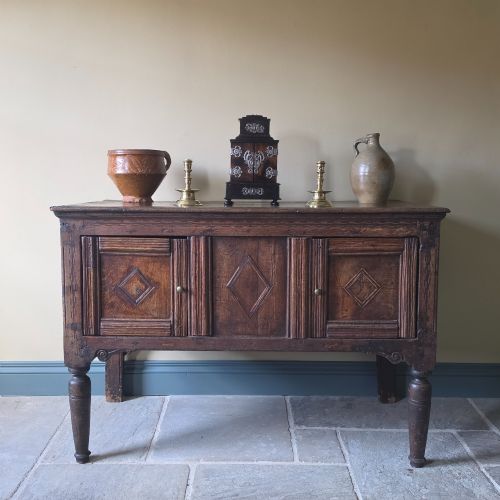
The 17th century buffet cupboard is a solid timber storage piece that grounds a room with centuries of history.
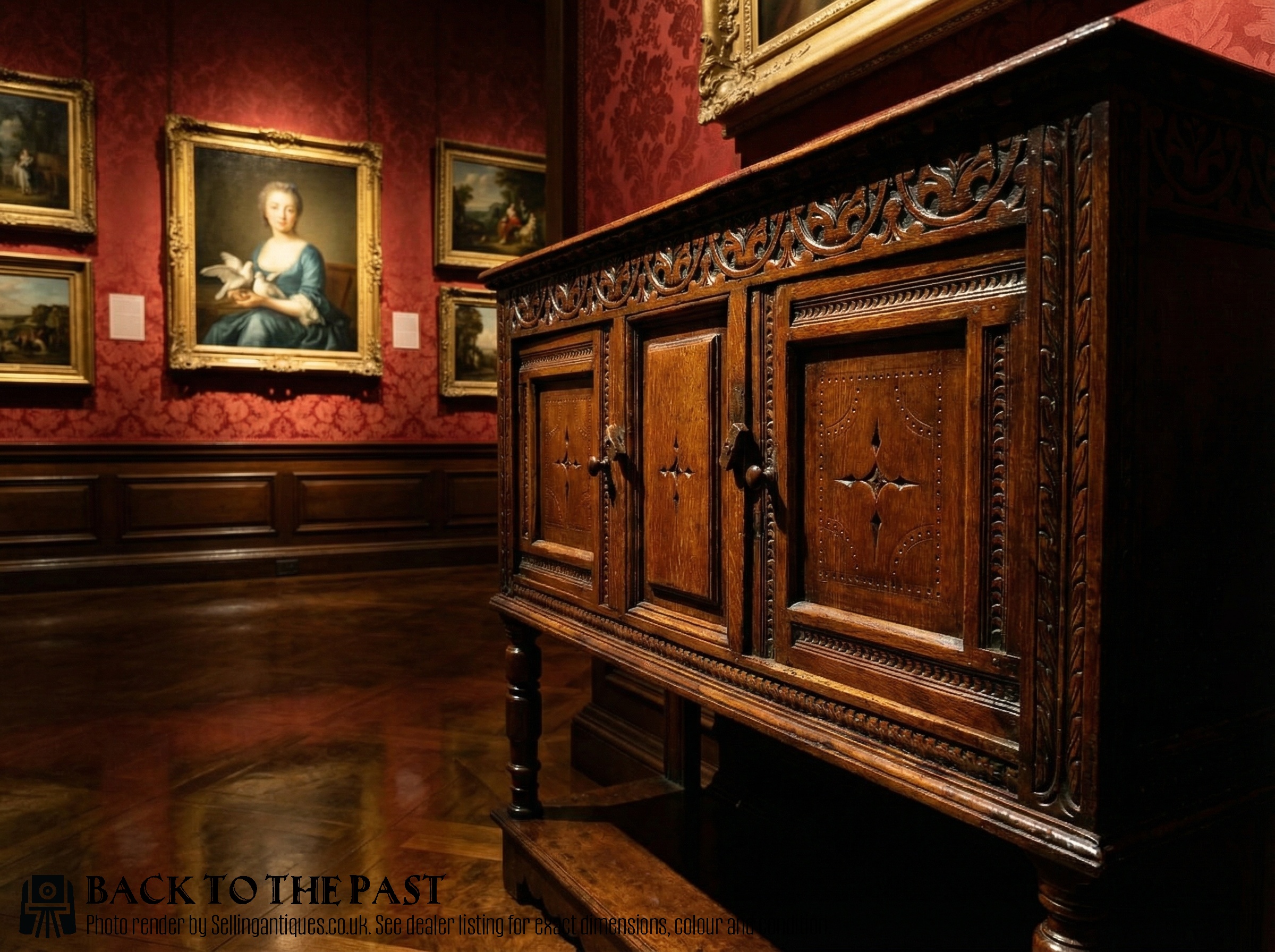
17th Century Buffet Cupboard
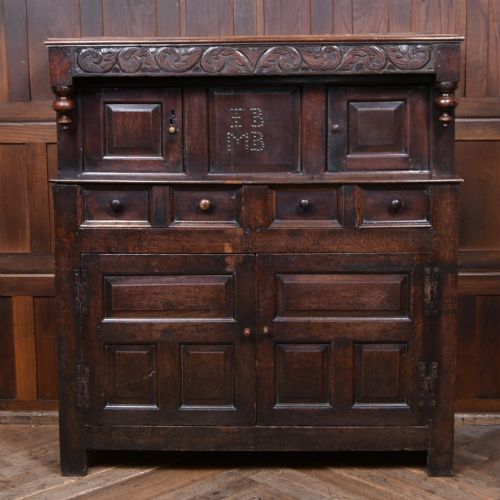
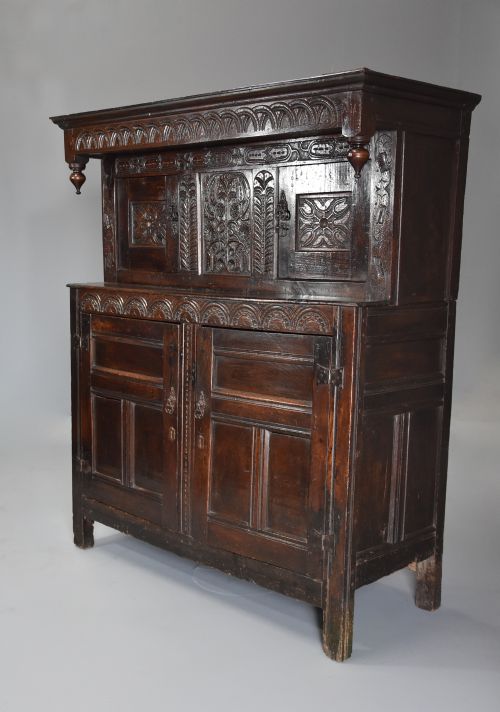
A 17th century buffet cupboard, also designated in the evidence as a court cupboard, press cupboard, or livery cupboard, serves as heavy storage furniture originating primarily from the seventeenth century alongside later revival periods. You will frequently encounter forms such as court cupboards and press cupboards constructed in oak, walnut, and fruitwood.
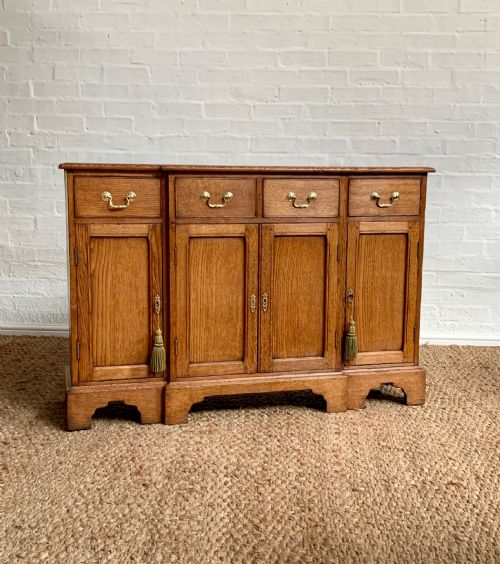
The pieces listed span genuine seventeenth-century examples dated to periods like the reigns of Elizabeth I, James I, and Charles II, as well as Victorian and nineteen-twenties revival interpretations built in the seventeenth-century style. These storage items combine enclosed lower sections with stepped upper tiers or open display levels designed for provisions and plate.
How they were made
Makers built these pieces primarily using solid oak, walnut, and fruitwood, reinforced with wrought iron and brass hardware such as hinges and handles. Surfaces frequently display carved enrichment, while specific examples incorporate inlaid wood and fruitwood inlay.
Joinery relied on traditional joined construction methods to frame heavy timbers together without modern adhesives. Workshops shaped panels and supports by hand, leaving tool marks that distinguish authentic period construction from later revivals.
17th Century Buffet Cupboard Retail Price Guide 2026
Typical asking prices for 17th century buffet cupboard among the pieces listed under this phrase on Sellingantiques today, from the lower quarter to the upper quarter. They describe what is for sale here now, not the wider market.
Some seventeenth-century cupboards retain untouched surfaces with superb original patina built up from centuries of daily polishing.
What varies in quality
The depth and crispness of the carved decoration distinguish superior examples from simpler utilitarian pieces. Crisp relief work on friezes and stiles shows the hand of a skilled joiner rather than mechanical production.
The integrity of the original timber and untouched surface patination separate period survivors from heavily restored items. Retaining original joined elements and authentic surface colour elevates the standing of any cupboard.
The 17th Century Buffet Cupboard Glossary
- Court cupboard
- A formal seventeenth-century storage piece featuring tiered shelving, often enclosed with doors, used for displaying plate and provisions.
- Press cupboard
- A heavy timber storage cabinet featuring enclosed upper and lower compartments designed for linen and clothing.
- Livery cupboard
- A traditional storage furniture item originally used for keeping food and small rations ventilated.
- Jacobean style
- A decorative manner originating in the early seventeenth century characterised by geometric panels and strapwork carving.
- Joined construction
- A framing technique utilising mortise and tenon joints secured with wooden pegs to build sturdy furniture without screws.
17th Century Buffet Cupboard: Frequently Asked Questions
What is a 17th century buffet cupboard?
A 17th century buffet cupboard is a heavy timber storage unit designed with tiered levels and enclosed compartments. These forms include court cupboards, press cupboards, and livery cupboards originating from the seventeenth century and subsequent revival periods.
Such pieces functioned primarily for storing food, linens, and domestic plate in large households. Their robust construction and architectural carving made them prominent fixtures in period interiors.
How were court cupboards used?
Court cupboards served as multipurpose storage and display furniture in seventeenth-century homes. The upper and lower tiers held ceremonial items, utensils, and food stores.
Households used the flat surfaces for presenting silver and pewter plate during dining occasions. They combined utility with a display of household wealth and status.
How do I identify a revival piece?
Revival pieces built in the nineteenth or twentieth century often replicate seventeenth-century styles using machine-cut joinery and standardised timber widths. Examining the interior construction and tool marks helps reveal the actual age of the timber.
Authentic period examples display hand-split boards, pegged joints, and wear patterns consistent with centuries of use. Comparing the carving depth and patination assists in separating seventeenth-century originals from Victorian or later interpretations.
Where should I place a buffet cupboard?
Buffet cupboards require substantial wall space and a stable environment away from direct heat sources. Placing them in dining rooms or entrance halls allows their proportions and carved details to anchor the room.
Maintaining consistent indoor humidity protects the dry oak and walnut timbers from warping or splitting. Allowing adequate clearance around the piece ensures the heavy doors and drawers open fully.