
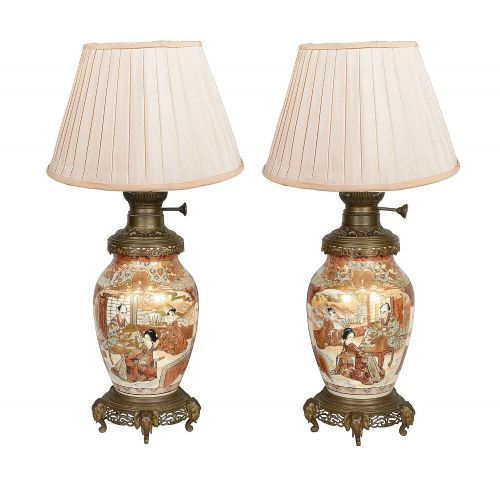
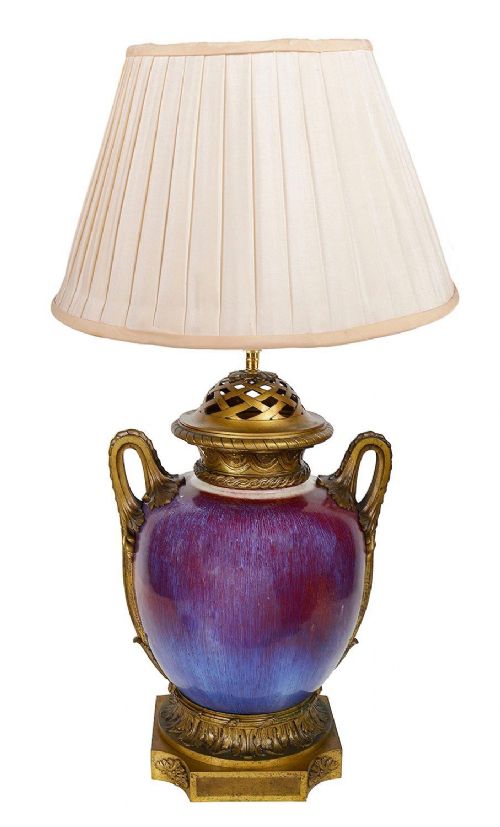


Ceramic Vase Table Light
These ceramic vase table light options transform historical vessels into functional home illumination.
Ceramic Vase Table Light
A ceramic vase table light bridges centuries of decorative arts and domestic utility by transforming antique vessels into lamps. Buyers seek these pieces to anchor a room with a focal point that carries the weight of history.
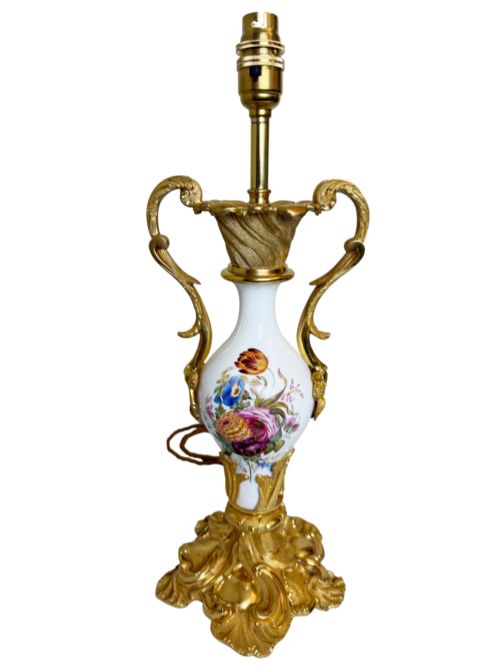
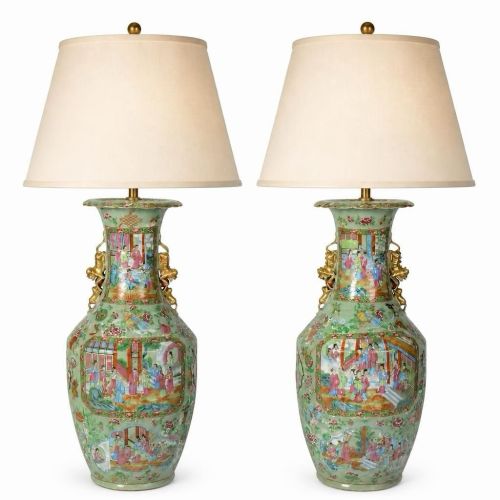
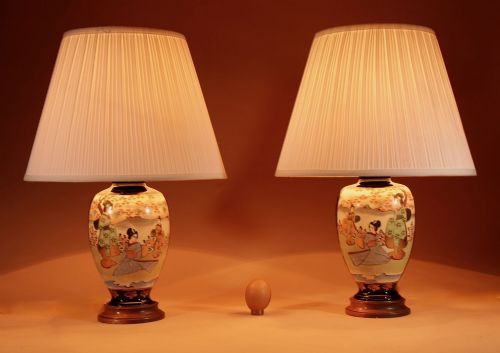
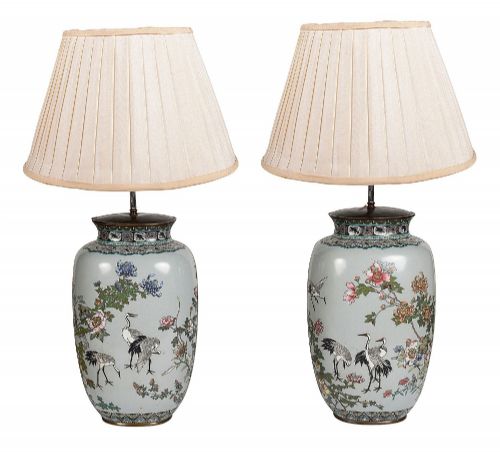
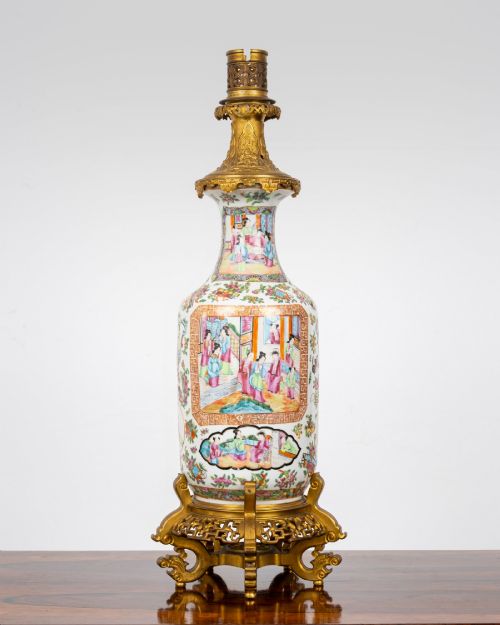
The selections here lean heavily on converted Asian and European ceramics, including Chinese export porcelains, Japanese Satsuma and Kutani wares, and Dutch Delft pottery. Many retain their original proportions or sit within metal mounts such as ormolu and gilt bronze.
Vessels span from earlier periods like the seventeenth and eighteenth centuries up through the nineteenth century and into later revival styles. Pairs frequently appear, offering symmetry for sideboards and mantels.
Materials and construction
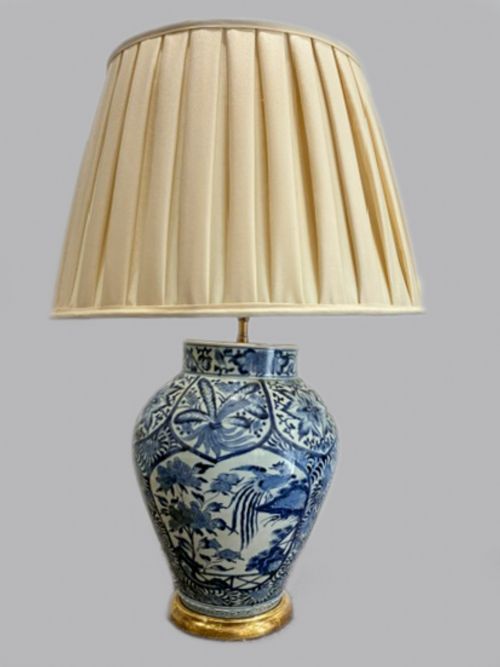
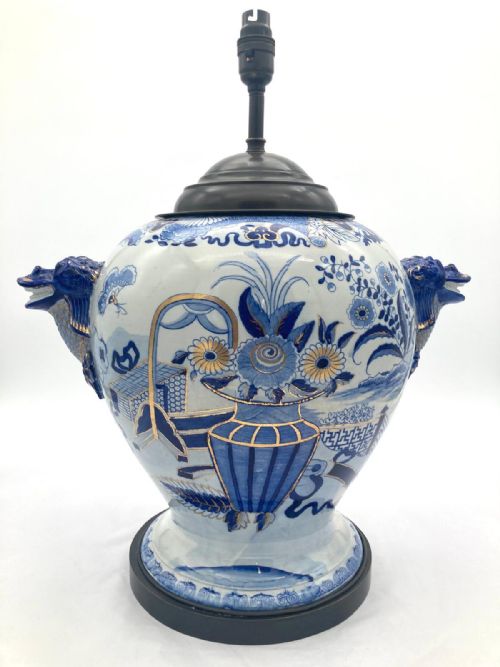
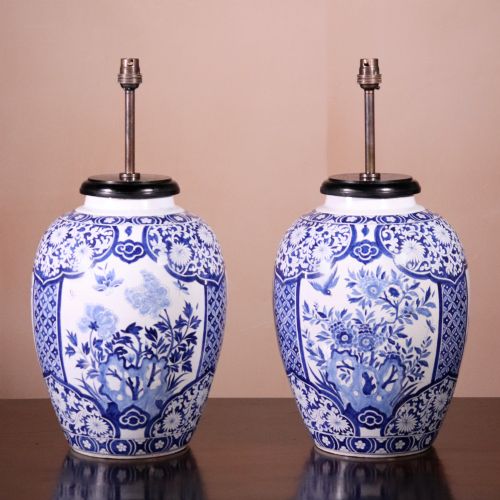
Makers utilised ceramic bodies including porcelain, earthenware, and ironstone, shaped on the wheel or cast in moulds before being painted and glazed. These surfaces range from delicate blue and white underglaze decoration to rich famille rose enamels and crackleware finishes.
Conversion typically involves mounting the ceramic base with brass, gilt bronze, or ormolu hardware to secure electrical components and shade fittings. Silk, fabric, and other textile elements complete the assembly for domestic use.
Listings feature porcelain, earthenware, brass, silk, and wood across periods spanning the seventeenth through the early twentieth centuries.
Distinctions in quality
Quality rests primarily on the integrity of the original ceramic vessel and the harmony of its conversion. Superior examples retain crisp enamel details, well-preserved glazes, and metal mounts that complement rather than overwhelm the form.
The physical weight and balance of the mounted lamp also matter. Finer pieces demonstrate careful drilling and mounting that protect the ceramic body while ensuring the lamp stands true and stable on a flat surface.
Hicks and Meigh
The Ceramic Vase Table Light Glossary
- Famille rose
- A palette of opaque enamel colours dominated by pink, introduced to Chinese ceramics during the Qing dynasty. It appears frequently on eighteenth and nineteenth-century export wares.
- Satsuma
- Japanese earthenware pottery featuring a crackle glaze and elaborate polychrome and gilt decoration. These pieces often depict traditional figures and landscapes.
- Ormolu
- Gilt bronze mounted onto furniture and decorative objects such as lamp bases. The technique involves applying a gold-mercury amalgam to bronze.
- Celadon
- A term for pottery denoting both wares glazed in jade green and the specific glaze itself. This finish originated in China and spread across Asia.
- Delft
- Tin-glazed earthenware produced in the Netherlands, traditionally finished in blue and white. These vessels often mimic Chinese export porcelain designs.
Ceramic Vase Table Light: Frequently Asked Questions
How are antique vases wired safely?
Conversion involves running a cord through the centre or fitted hardware of the vessel without damaging the antique ceramic body. Professional rewiring ensures modern electrical standards are met while preserving the historic structure.
Buyers should check that the brass or bronze fittings accommodate standard modern bulbs and shades securely. Regular inspection of the flex and plug maintains safety in everyday use.
Where should I place these lamps?
These lamps suit sideboards, large tables, and credenzas where their height and decorative presence can be fully appreciated. Pairs provide balanced illumination for mantels and large entryways.
Position them away from high-traffic edges to protect both the ceramic body and any delicate metal mounts from accidental bumps.
How do I date a ceramic lamp base?
Dating relies on examining the characteristics of the ceramic body, glaze, and hand-painted decoration. Chinese and Japanese export pieces often align with specific imperial reigns or stylistic periods like the Meiji era.
The metal mounts added during conversion also offer clues, as ormolu and gilt bronze styles shifted across the eighteenth and nineteenth centuries.
Can I replace the lampshades?
Lampshades can be updated to suit modern interiors as long as the fitter matches the harp or gallery dimensions of the original metal mounts. Silk and fabric shades are common choices that complement the texture of the ceramic.
Selecting a shade with appropriate scale ensures the proportion between the decorative vase and the light source remains balanced.