




Hand Painted Urn Lamp
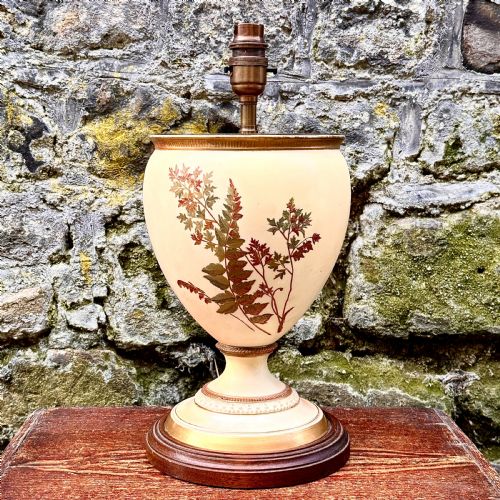
Hand painted urn lamp designs bring together decorative ceramic vessels and fitted electric lighting, offering a practical way to anchor a room with antique pattern and colour.
Hand Painted Urn Lamp
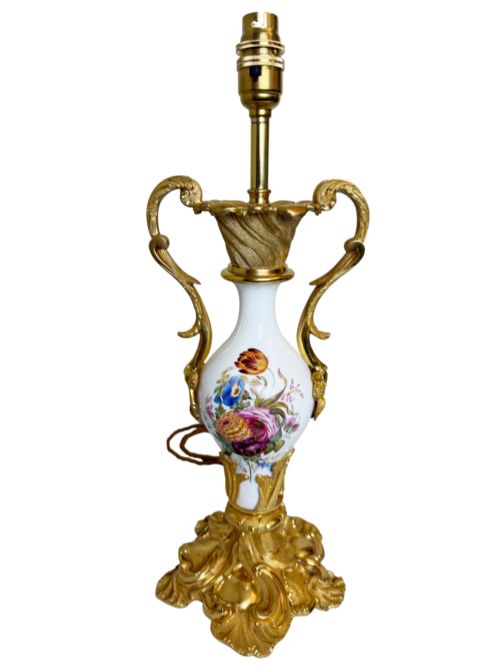
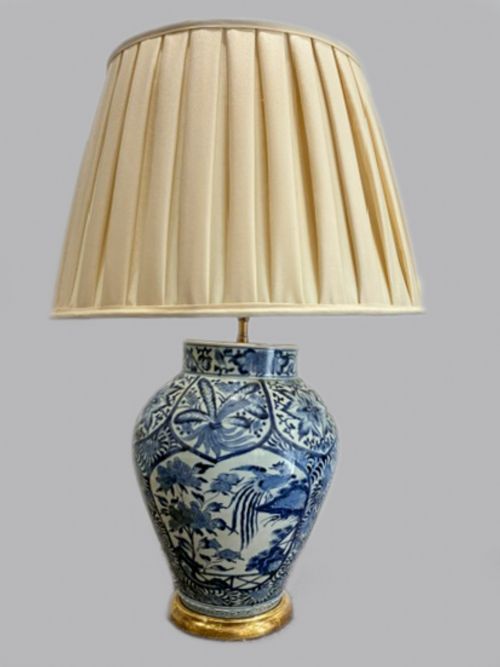
When you search for hand painted urn lamp examples, you encounter transformed ceramic vessels converted from vases and ginger jars alongside dedicated lamp bases. These pieces span the eighteenth, nineteenth, and early twentieth centuries, drawing heavily on Chinese export, Japanese Satsuma, and French porcelain traditions.
The most common formats on this page are porcelain and pottery bodies paired with brass or ormolu mounts, frequently topped with fabric or silk shades. Forms range from petite nineteenth-century gilt bronze floral designs to monumental celadon and blue decorated vessels.
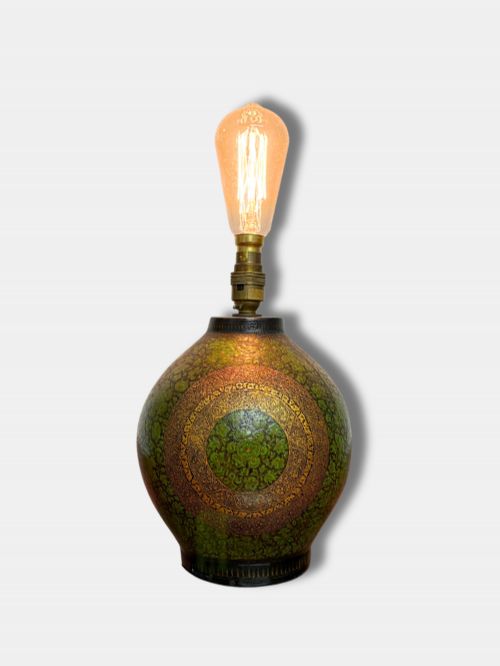
Makers and potteries across Europe and Asia produced these ceramic bodies, which later found new life as functional table lighting. The inventory reflects diverse geographic origins, including French Sevres styles, Italian Majolica, and Indian Kashmiri craftsmanship.
Materials and Construction
Makers utilised porcelain, earthenware, and pottery as the core structural bodies, hand painting them with intricate floral, figural, and abstract motifs in cobalt blue, famille rose, and polychrome enamels. These ceramic vessels frequently received mounts of cast ormolu, gilt bronze, and polished brass to secure the electrical fittings and provide stable feet.
Wood, satinwood, and pewter occasionally appear in associated table bases or altered components, combining with silk and fabric shades to complete the assembly. Conversion from original vases to lamps involved careful internal wiring while preserving the integrity of the historic glaze and decoration.
Listings feature pieces spanning the eighteenth to early twentieth centuries, incorporating materials such as porcelain, ormolu, silk, brass, and satinwood.
Distinctions in Quality
The standard of hand painting on the ceramic body dictates the visual merit of the piece, with crisp brushwork and deep glaze depth separating fine studio work from simpler output. The integration of metal mounts, such as fire-gilt ormolu versus basic cast brass, further marks the ambition of the original manufacture.
Condition of the glaze and the harmony of the conversion affect the overall success of the lamp. Pieces retaining original matching pairs or finely preserved surface gilding command greater attention from collectors.
The Hand Painted Urn Lamp Glossary
- Ormolu
- Gilt bronze mounts applied to furniture, clocks, and ceramic vessels. This technique involves coating cast bronze with a finely ground mercury and gold amalgam before heating.
- Famille Rose
- A palette of Chinese porcelain enamels dominated by opaque pink or rose colours. Introduced in the Qing dynasty, it allowed for subtle gradations of tone.
- Celadon
- A term for pottery denoting both wares glazed in jade green and the green glaze itself. The colour derives from iron oxide in the glaze recipe fired in a reducing atmosphere.
- Baluster
- A moulded column or vase shape with a rounded swelling lower portion tapering toward the top. This profile frequently forms the base of tall ceramic lamps.
Hand Painted Urn Lamp: Frequently Asked Questions
How do I date an antique porcelain lamp?
Dating relies upon examining the ceramic body, glaze characteristics, and any painted or impressed factory marks on the base. Stylistic clues from the hand-painted motifs also align with specific periods like the nineteenth century or Edwardian era.
Associated metal mounts, such as ormolu or brass fittings, provide secondary chronological markers. Comparing the construction methods of the internal wiring or conversion helps distinguish older adaptations from modern reproductions.
Were these always electric lamps?
Almost none of these ceramic bodies started life as lamps, because electricity was not utilised during their original periods of manufacture. Most began as decorative vases, ginger jars, or ceremonial vessels before later conversion.
Artisans fitted them for electrical use by running cords through drilled bases or mounting hardware to the top rims. This adaptive reuse preserves historic ceramics while making them functional for contemporary interiors.
Can I safely use these lamps daily?
These pieces function well in daily domestic settings provided the electrical components meet current safety standards. Many antique lamps have been rewired to accommodate modern plugs and bulbs safely.
Gentle handling during bulb changes and dusting the hand-painted surfaces with a dry cloth protects the historic glaze. Placing them on stable side tables prevents accidental knocks to the delicate porcelain or brass structures.
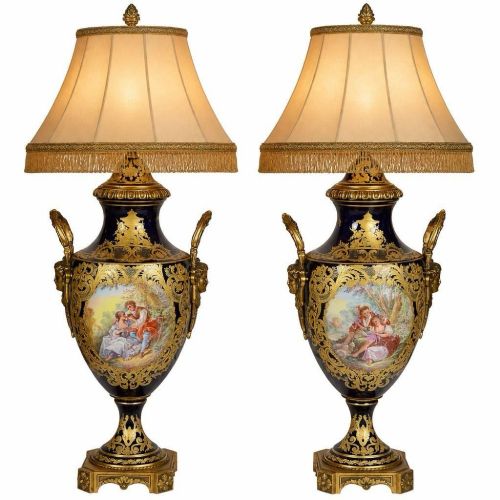
What is a Sevres style lamp?
A Sevres style lamp uses porcelain decorated in the aesthetic of the famous French royal manufactory. These pieces often feature rich cobalt blue grounds, hand-painted pastoral scenes, and heavy gilt highlights.
Makers across Europe produced pieces in this manner during the nineteenth century to satisfy high demand for French Rococo Revival luxury goods.