

Central Asian Tribal Weaving
Central Asian tribal weaving brings nomadic history straight to your floor and walls through rich wool textiles built to endure.
Central Asian Tribal Weaving
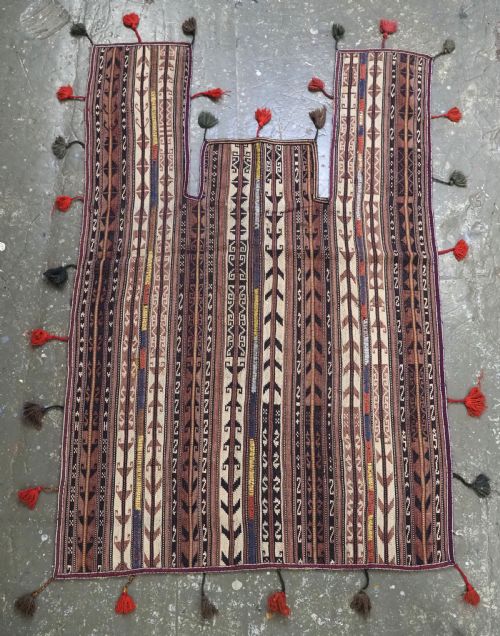
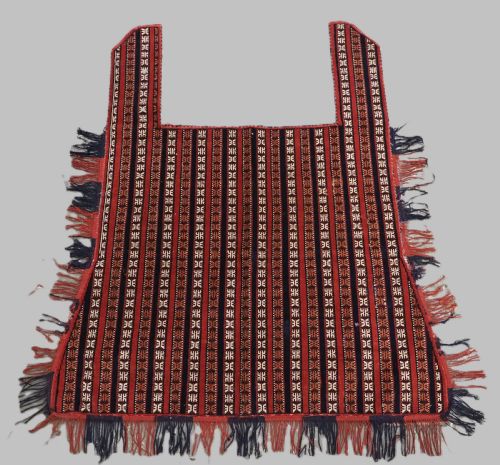
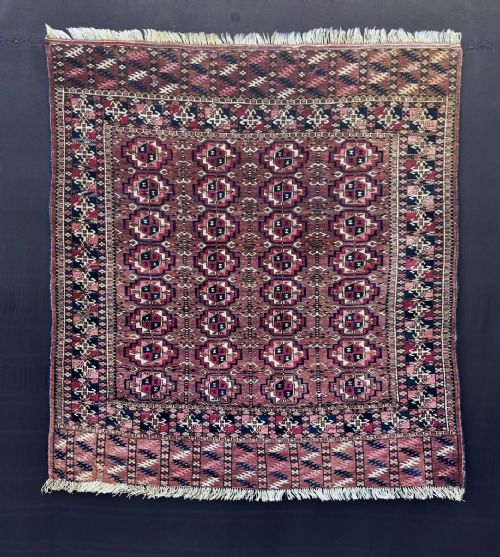
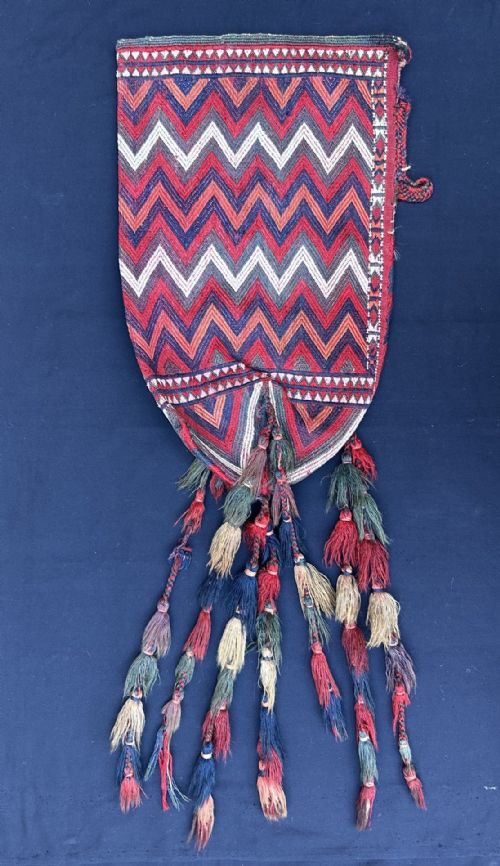
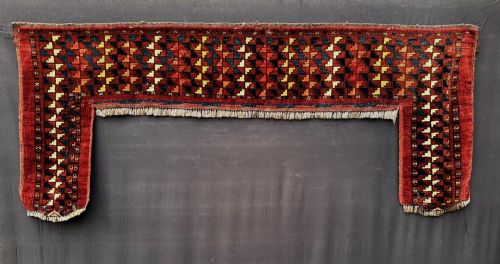
Central asian tribal weaving encompasses nomadic textiles produced across the steppes, featuring utilitarian bags, ceremonial horse covers, and tent trappings. These pieces represent the rich material culture of specific tribal groups rather than settled urban workshops.
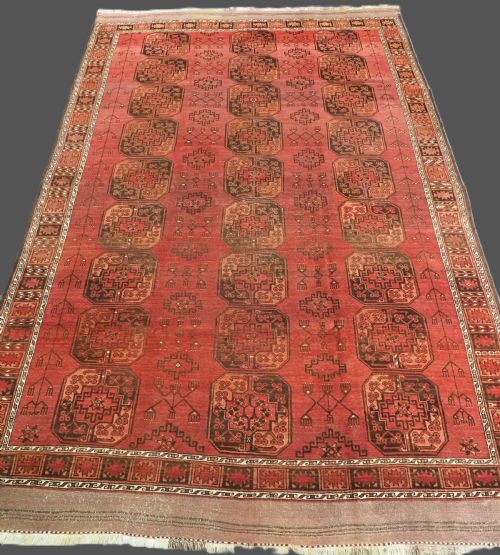
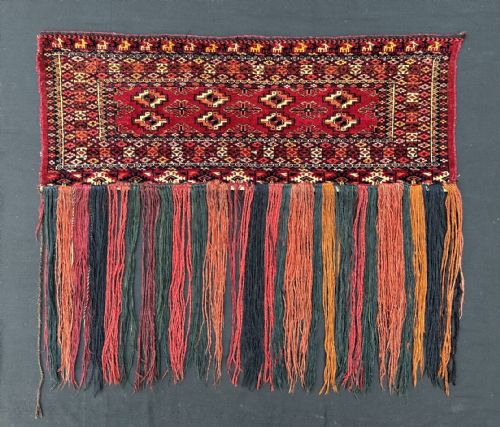
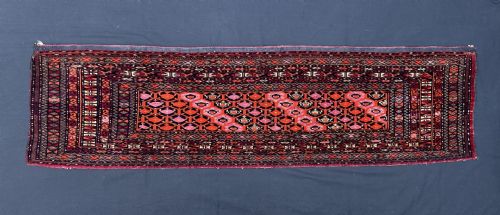
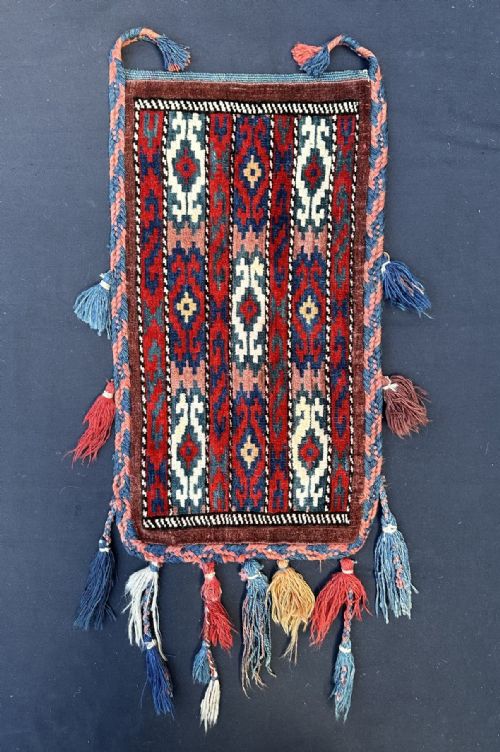
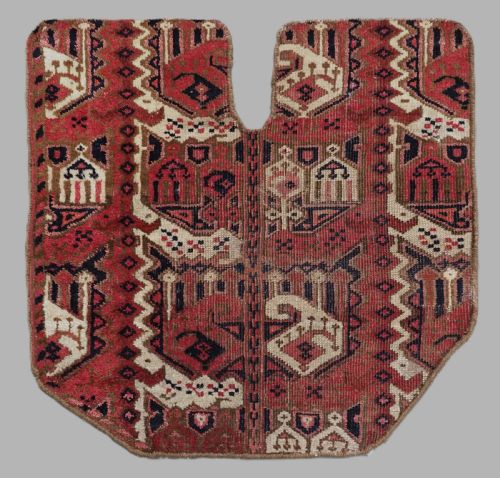
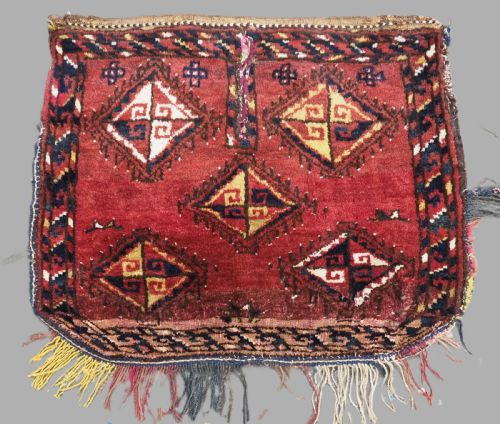
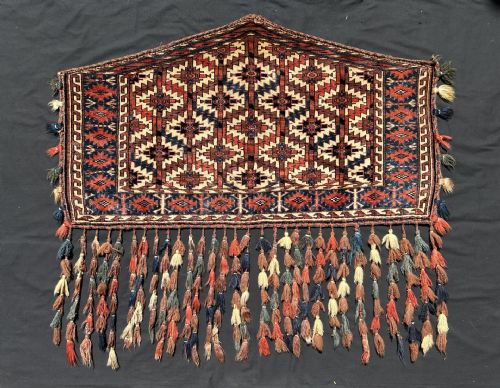
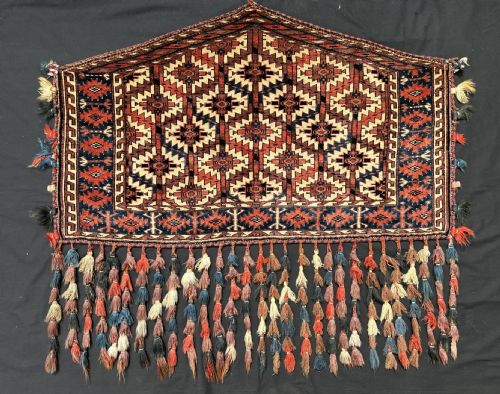
Buyers on this page will most frequently encounter nineteenth-century pieces originating from Turkmen groups such as the Yomut, Ersari, and Tekke tribes. Forms range from torba and chuval storage bags to asmalyk trappings and camel headdresses.
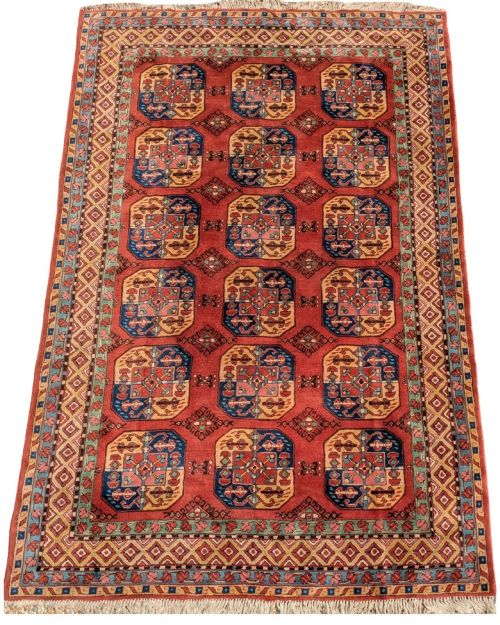
The aesthetic is defined by deep red grounds, geometric guls, and symbolic tribal motifs that served practical and protective functions in nomadic life. Each textile carries the distinct visual language of the group that knotted it.
How they were made
These textiles rely on wool for the pile and foundation structure, paired with cotton in specific structural areas. The natural fibres were spun by hand before dyeing and knotting.
Colour comes from natural dyes applied to the wool, producing the deep tones characteristic of nineteenth-century nomadic work. Over decades, these dyes age with a characteristic softness.
Weavers constructed these items on portable ground looms set up across the Trans-Caspian steppes and Afghanistan. The resulting structures range from full pile rugs to flatwoven bag faces.
Central Asian Tribal Weaving Retail Price Guide 2026
Typical asking prices for central asian tribal weaving among the pieces listed under this phrase on Sellingantiques today, from the lower quarter to the upper quarter. They describe what is for sale here now, not the wider market.
Listings span the decades from 1880 to 1900, utilising wool, cotton, and natural dyes across Turkmen and nomadic styles.
What varies in quality
Quality rests in the precision of the knotting and the density of the wool pile across the surface. Finer work reveals sharper geometry in the guls and greater structural integrity in the foundation.
The depth and complexity of the natural dye palette distinguish exceptional examples from ordinary production. Strong contrasts and varied abrash in the wool signal superior colour work.
Survival of complete original elements such as tassels, side cords, and full pile elevation separates pieces kept in ceremonial use from heavily worn utilitarian items.
The Central Asian Tribal Weaving Glossary
- Torba
- A small wall pocket or storage bag used within the nomadic tent. These items hung against the lattice walls to hold domestic goods.
- Chuval
- A large storage bag made by Turkmen tribes for household provisions. They feature prominent guls arranged across the face.
- Asmalyk
- A pentagonal trapping traditionally hung on the flanks of a bride's camel during wedding processions. These ceremonial pieces are among the most decorative tribal items.
- Gul
- A repeated primary medallion motif used across Turkmen carpets and bag faces. Each design identifies the specific tribe or clan that made the textile.
- Okbash
- A specialised tent pole bag designed to fit over the top of wooden struts. These narrow containers protected structural elements inside the yurt.
Central Asian Tribal Weaving: Frequently Asked Questions
What is a torba used for?
A torba served as a practical storage bag inside nomadic tents, hung against the walls to hold small household possessions and textiles.
Over time, these bags became important expressions of tribal identity and weaving skill.
How do I identify Yomut weaving?
Yomut pieces often feature distinct octagonal guls and hooked motifs set against rich red wool grounds.
Their work frequently includes specialised trappings like asmalyk and horse covers originating from the Trans-Caspian steppes.
Where were these textiles made?
These pieces were produced by nomadic and tribal groups across Central Asia, including regions in Turkmenistan and Afghanistan.
Weavers worked on portable looms set up within traditional tent communities.
How should I care for a tribal rug?
Protect wool textiles from direct sunlight and damp conditions to preserve the natural dyes and pile structure.
Gentle vacuuming without a beater bar keeps dust from settling into the foundation fibres.