
Central Asian Suzani
Central Asian suzani textiles are highly decorative embroidered wall hangings and covers that bring vibrant tribal artistry and historical textile tradition into domestic interiors.
Central Asian Suzani
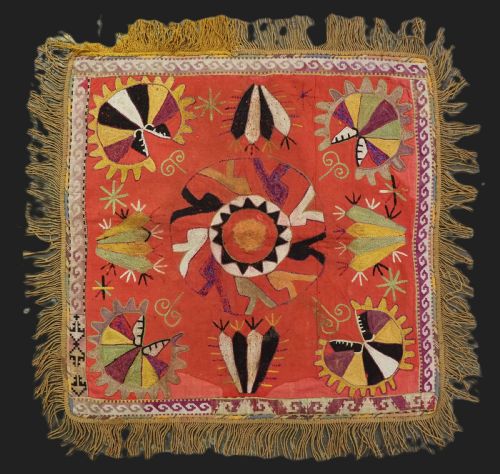
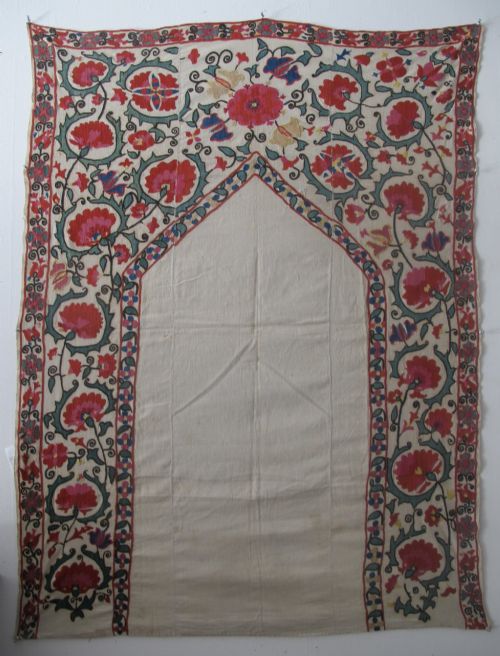
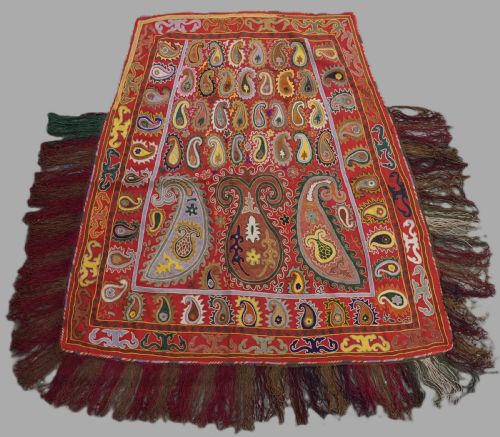
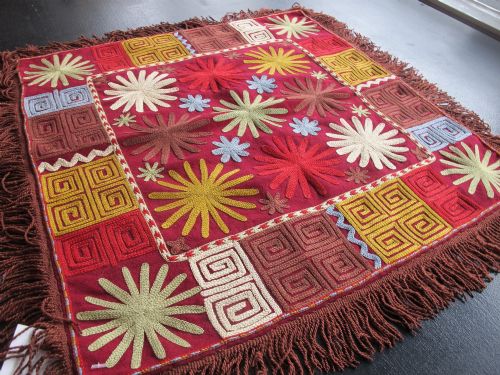
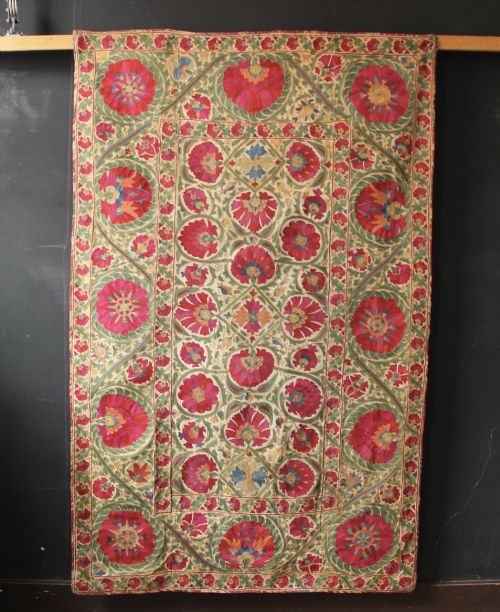
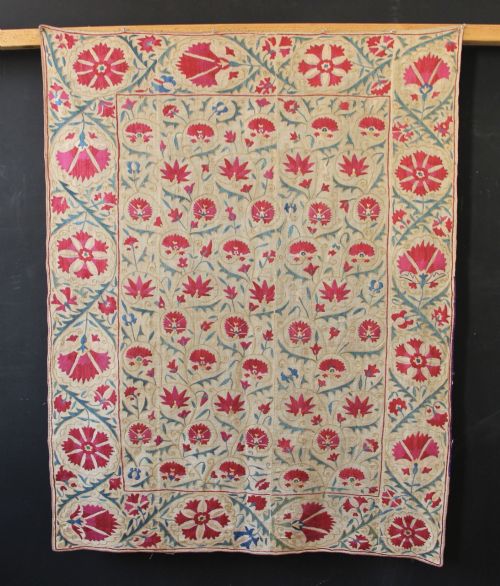
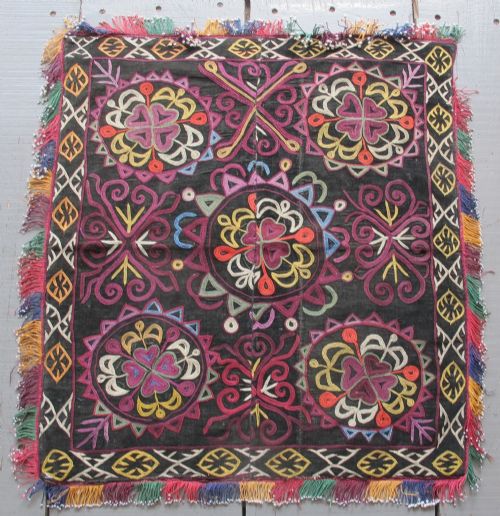
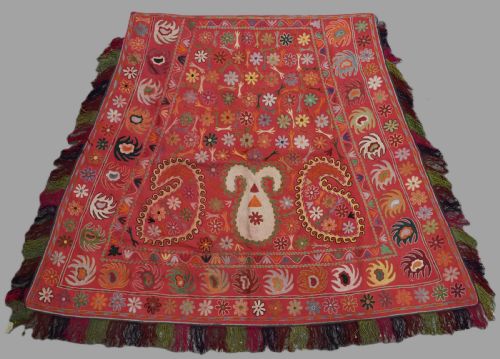
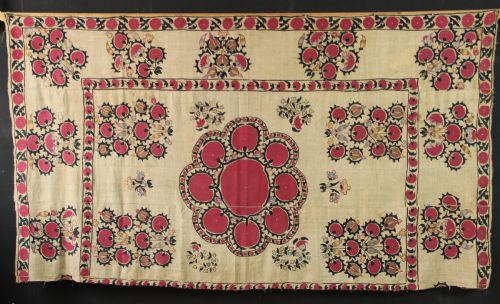
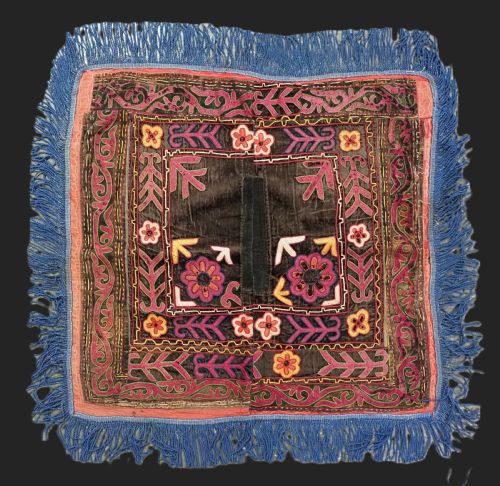
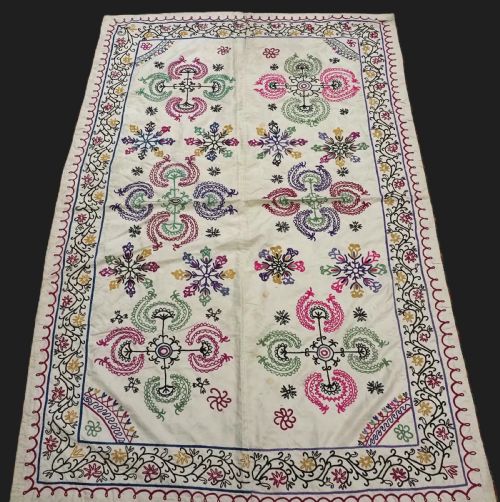
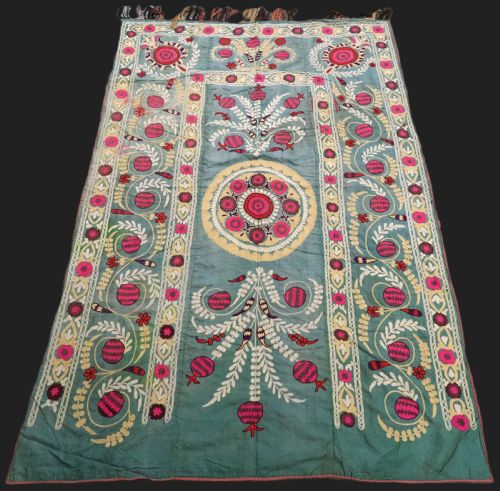
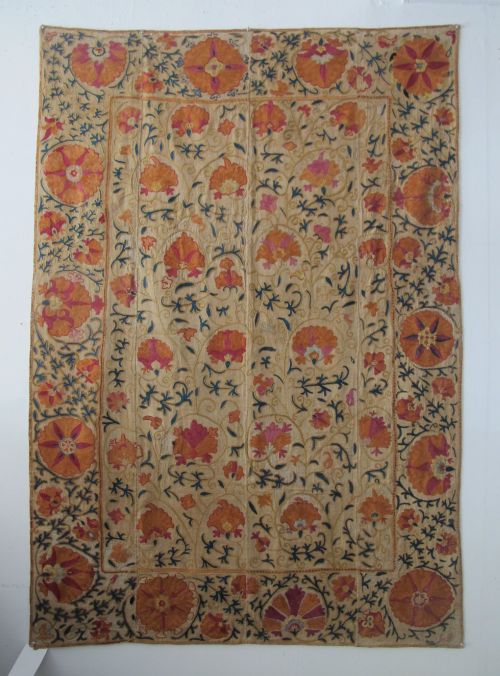
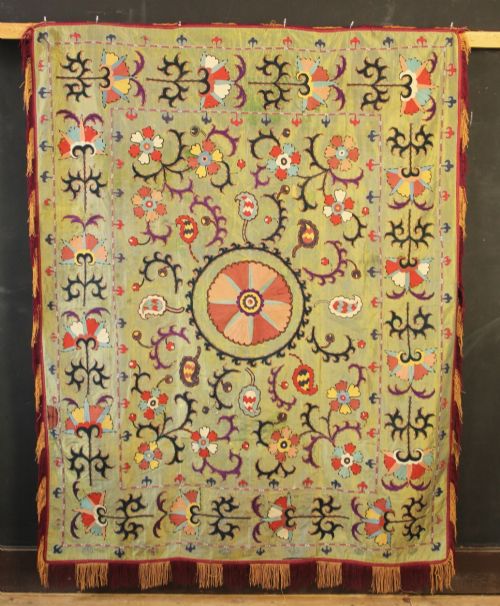
When you search for central asian suzani, you are looking at richly embroidered textiles originating from regions including Uzbekistan, Bokhara, and Nurata. These pieces take several forms, such as wall hangings, dowry embroideries, bed covers, and ceremonial horse or saddle covers.
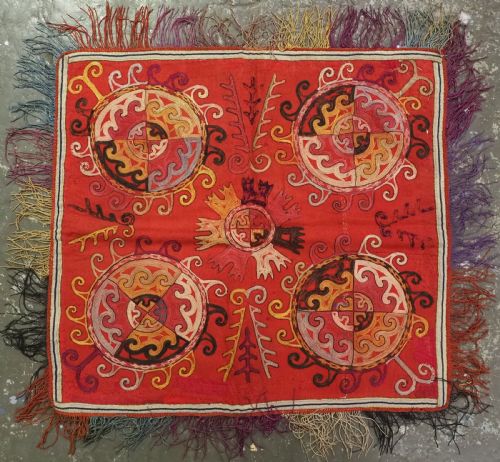
The items you will most frequently encounter on this page span the nineteenth and early twentieth centuries. They reflect distinctive regional styles, including the bold geometric and figurative needlework of the Lakai tribe and the larger medallion formats associated with Bokhara and Ura Tube.
Many examples function as specific domestic or ceremonial objects, such as the ilgich dowry piece, the ru-i-jo bed cover, or the tush kyiz yurt wall hanging. Each format displays the particular decorative vocabulary of its maker and community.
Materials and construction
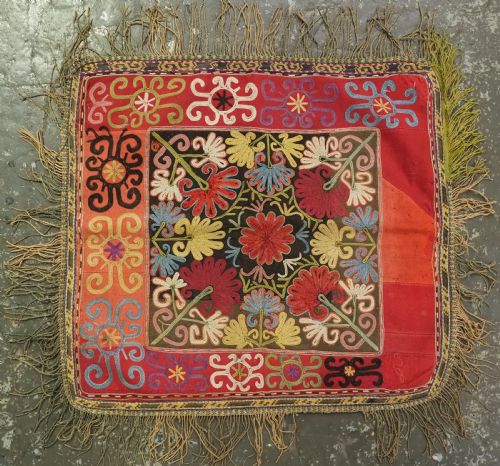
These textiles rely on a foundation fabric of cotton, linen, wool, or mixed adras silk and cotton grounds. Artisans then applied dense embroidery using fine silk thread, occasionally incorporating glass beads for added texture and detail.
Stitching was typically executed by hand in varied regional techniques, creating substantial coverage across the support ground. The choice of background cloth ranged from natural cottons to dyed red, yellow, or black textiles that made the silk needlework stand out.
Central Asian Suzani Retail Price Guide 2026
Typical asking prices for central asian suzani among the pieces listed under this phrase on Sellingantiques today, from the lower quarter to the upper quarter. They describe what is for sale here now, not the wider market.
Several pieces preserve the energetic needlework of nomadic makers who clearly embroidered straight onto the cloth without drawing a preliminary guide.
Assessing quality and execution
Quality in these embroidered textiles is determined by the fineness of the needlework and the complexity of the composition. Denser stitching and intricate pictorial or geometric layouts indicate a higher level of artisan skill.
The preservation of the original ground fabric and the vibrancy of the silk thread also distinguish superior pieces. Well-balanced colour palettes and precise execution separate everyday utility items from finer ceremonial examples.
The Central Asian Suzani Glossary
- Ilgich
- A specific type of Central Asian dowry embroidery used as a wall hanging. They frequently display the distinctive needlework of tribal groups such as the Lakai.
- Nim suzani
- A smaller or half-sized suzani format. These compact panels offer the intricate design work of full-scale pieces in a more manageable dimension.
- Adras
- A traditional Central Asian fabric woven from a mixture of silk and cotton yarns. It serves as a sturdy foundation ground for vibrant silk embroidery.
- Tush kyiz
- A large embroidered yurt wall hanging originating from Kyrgyzstan. These textiles traditionally celebrate the marriage of a son or daughter.
- Torba
- A small storage bag or trapping produced by tribal groups. They feature specialised embroidery and were utilised within nomadic dwellings.
Central Asian Suzani: Frequently Asked Questions
What is a central asian suzani?
A central asian suzani is a hand-embroidered textile created across regions like Uzbekistan as a decorative wall hanging, bed cover, or dowry piece. They feature elaborate silk needlework on cotton or wool foundations.
These textiles were traditionally produced by women for domestic use and marriage ceremonies, combining intricate floral, architectural, or tribal motifs.
How were these textiles used originally?
Families utilised these embroidered panels as wall hangings, bed covers, and ceremonial trappings for horses during important community events. They formed an essential part of a bride's dowry.
Over time, specific formats like the ru-i-jo served as bed covers, while others decorated the interior walls of nomadic yurts and permanent homes alike.
How do I care for an antique suzani?
Protect antique textiles by mounting them away from direct sunlight to prevent the natural silk threads and dyed cotton grounds from fading. Professional conservation framing is often recommended for wall display.
Avoid hanging heavy pieces by a single point to distribute the weight evenly across the fabric and prevent structural strain on the historical materials.
How do regional styles differ?
Regional variations reflect the specific communities and towns where the needlework was produced, such as Bokhara, Nurata, or Shakrisabz. Urban workshops often favoured large symmetrical medallion designs.
In contrast, tribal groups like the Lakai produced more abstract, geometric, and dynamic compositions often worked on distinctively coloured wool or cotton grounds.