

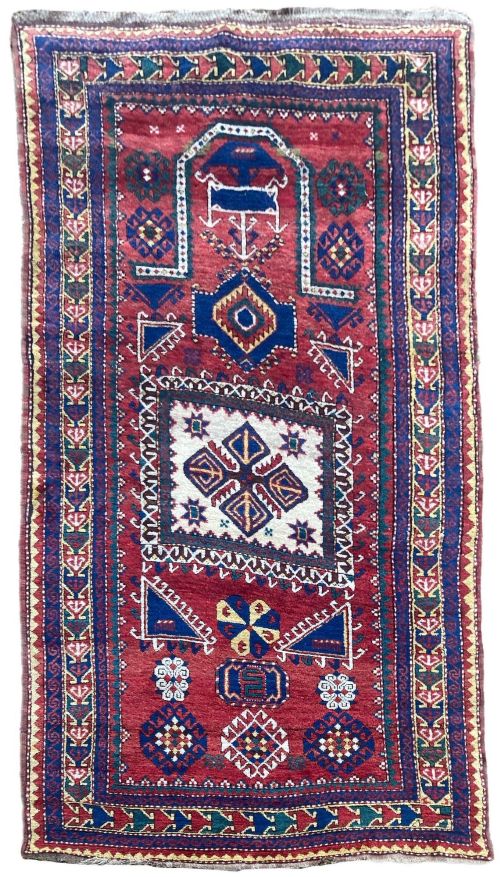
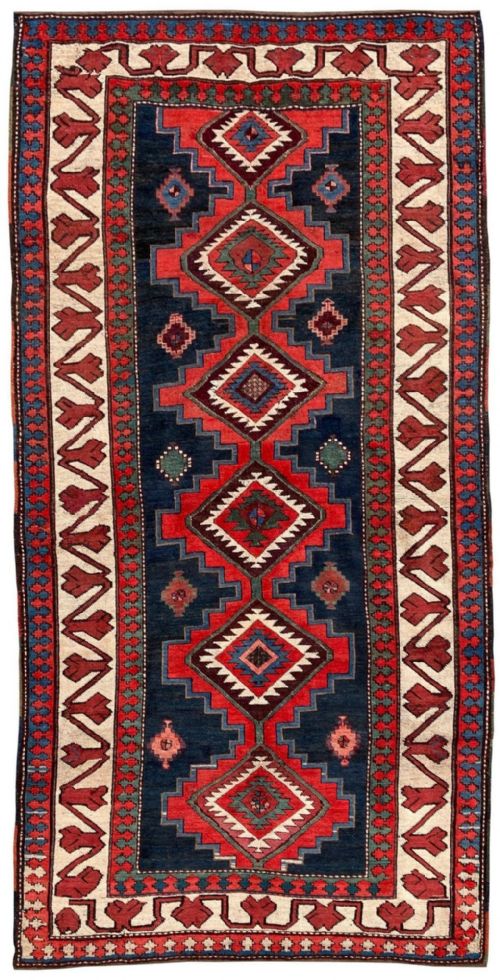
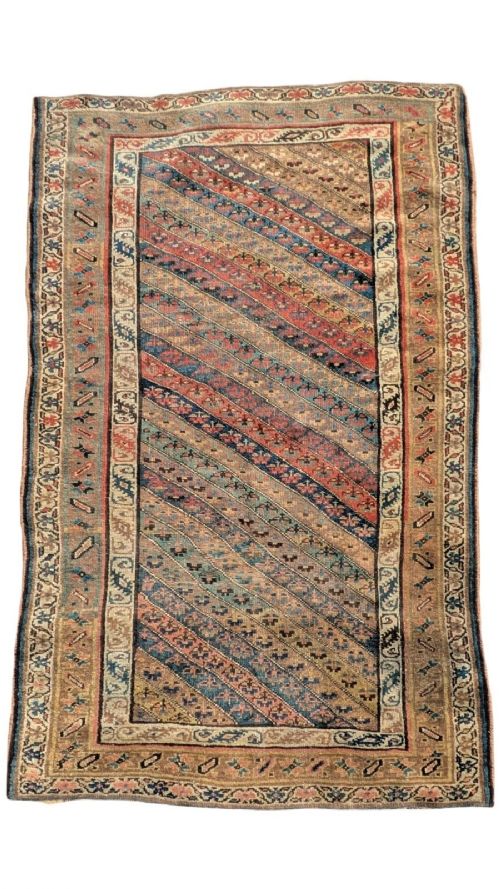
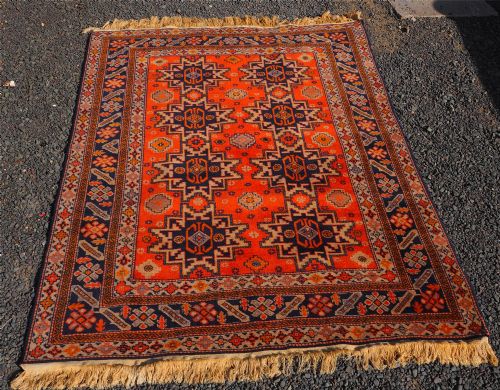
Caucasian Geometric Runner
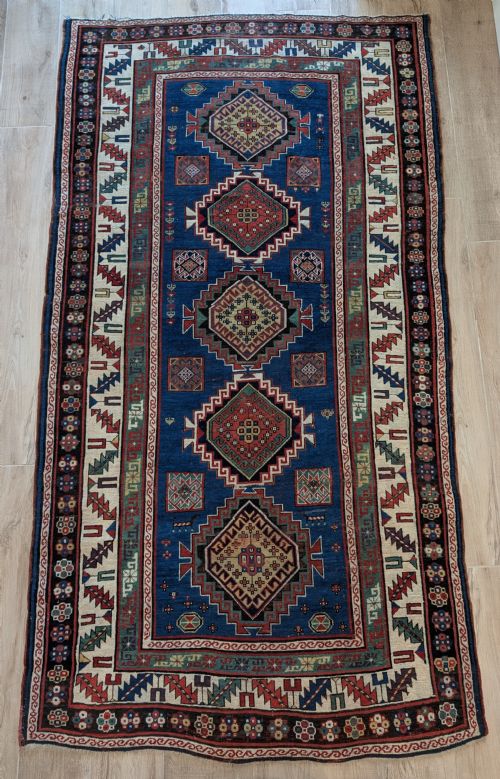
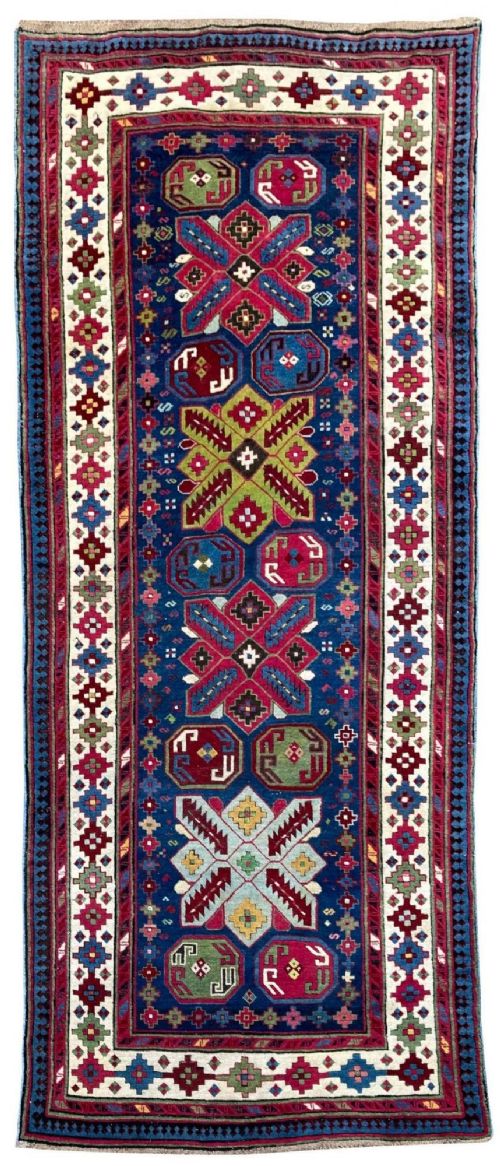
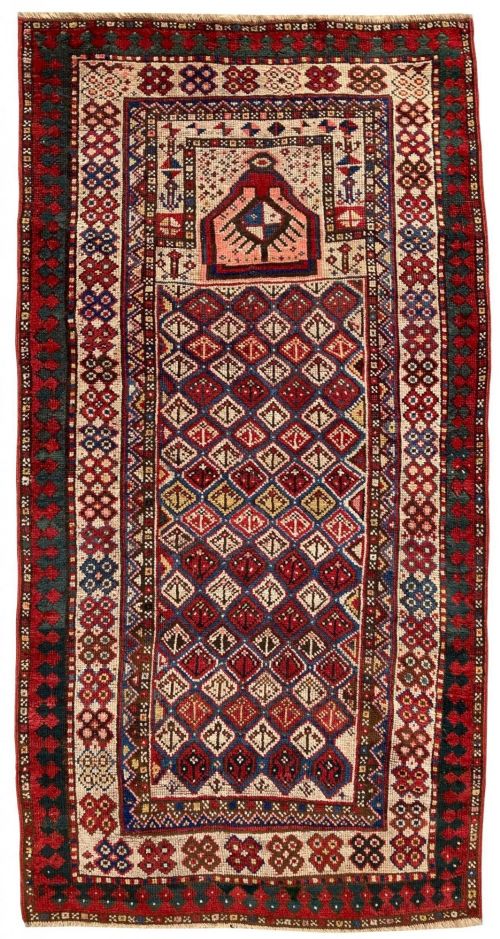
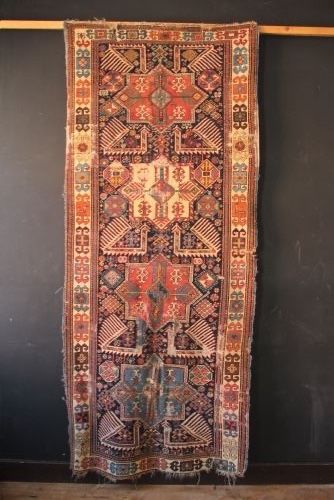
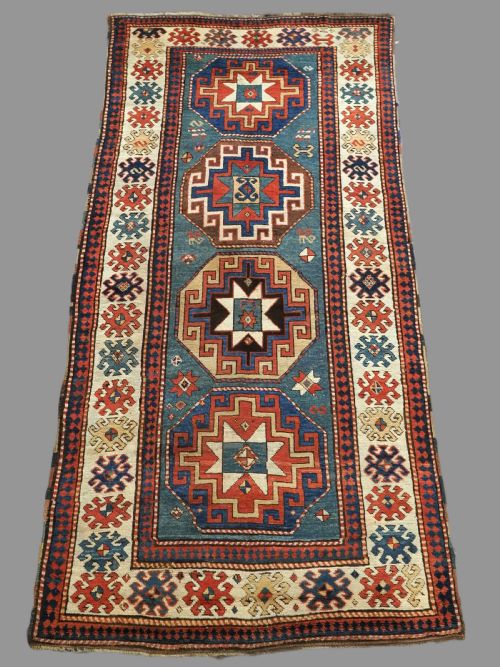
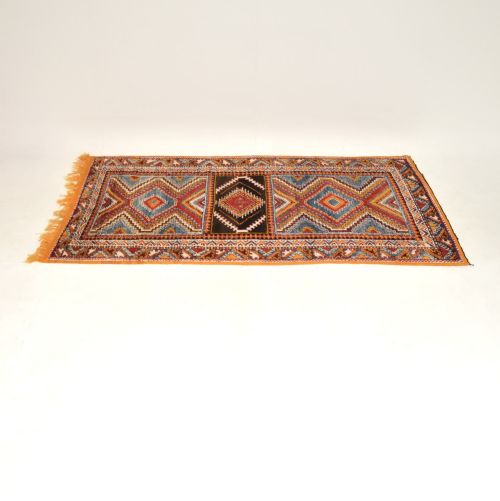
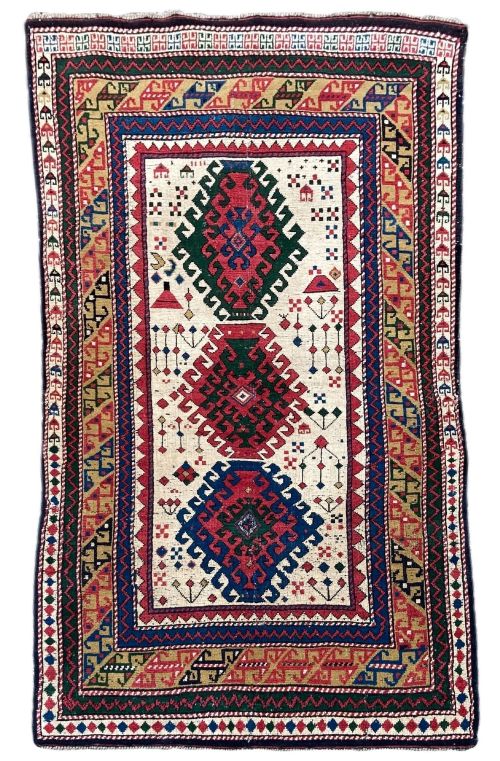
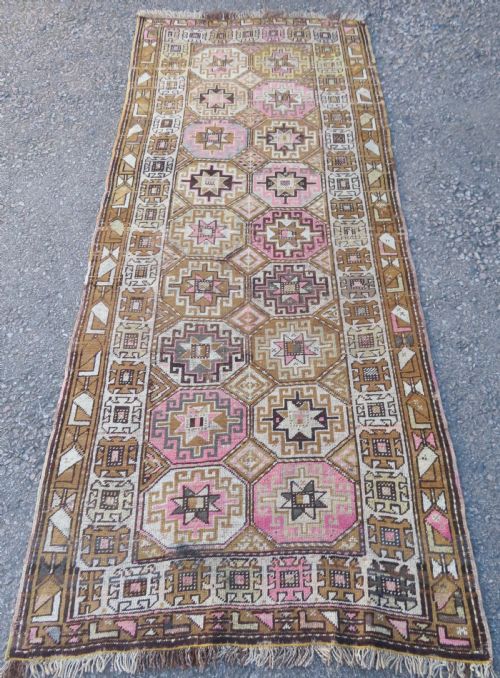
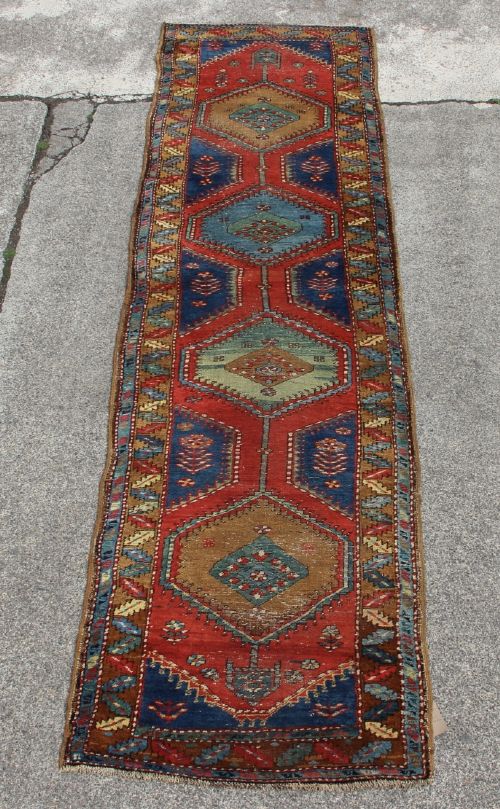
A caucasian geometric runner brings strong tribal pattern and rich wool texture directly to a hallway.
Caucasian Geometric Runner
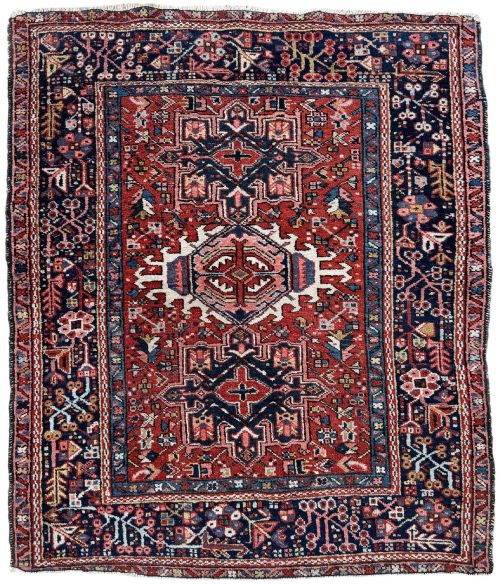
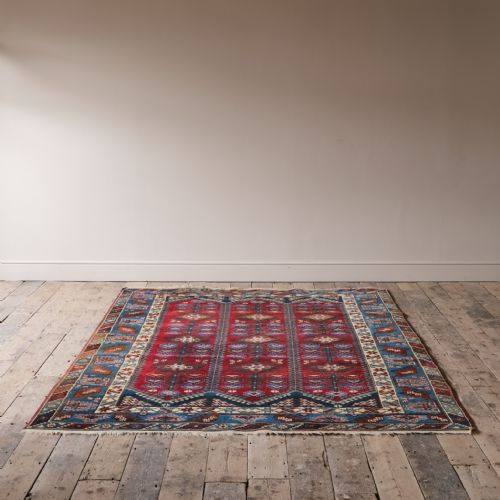
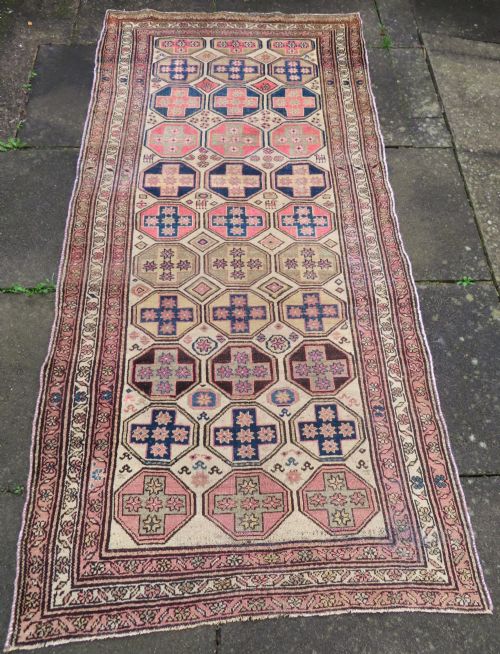
A caucasian geometric runner is a narrow, elongated textile originating from the Caucasus region, defined by angular motifs rather than curved florals. These pieces appear in hallway runner formats alongside broader long rugs from the nineteenth and early twentieth centuries.
The selection includes woven examples attributed to specific regional traditions such as Kazak, Gendje, Talish, and Shirvan. Makers utilise traditional tribal designs featuring lattice patterns, medallions, and characteristic geometric stars.
Most items date from the late nineteenth century up to the 1930s, reflecting the output of village workshops and nomadic weavers across the region. Buyers encounter formats suited for narrow spaces like corridors and landings.
What varies in quality
The standard of materials and dye purity determines the visual depth of the runner. Pieces utilising superior hand-spun wool and rich natural dyes display greater vibrancy and resilience against wear.
Knot density and precision of the geometric layout separate standard village work from finer tribal weaving. Sharply defined motifs and balanced proportions indicate greater skill on the loom.
Caucasian Geometric Runner Retail Price Guide 2026
Typical asking prices for caucasian geometric runner among the pieces listed under this phrase on Sellingantiques today, from the lower quarter to the upper quarter. They describe what is for sale here now, not the wider market.
Some antique Kazak runners display delightfully crooked geometry where weavers accidentally shifted their pattern rows halfway down the loom.
The Caucasian Geometric Runner Glossary
- Runner
- A long, narrow carpet format designed primarily for hallways, corridors, and stairs. These pieces measure significantly longer than they are wide to fit restricted floor spaces.
- Kazak
- A type of rug woven by various tribal groups in the southern Caucasus, known for bold geometric medallions and saturated primary colours. These textiles typically feature a heavier wool pile and robust construction.
- Talish
- A specific style of long rug originating from the Talish region near the Caspian Sea, characterised by narrow proportions and open field designs. They frequently incorporate lattice patterns or repeated star motifs along the central axis.
- Natural Dyes
- Colourants extracted from plant, insect, or mineral sources prior to the widespread introduction of synthetic aniline dyes in the nineteenth century. They produce harmonious, complex tones that age with distinct character.
- Kelim
- A flat-woven carpet or runner produced without a pile by tightly interweaving warp and weft threads. This technique results in a lighter, reversible textile with sharp geometric patterning.
Caucasian Geometric Runner: Frequently Asked Questions
Where should I place a runner?
These narrow textiles suit hallways, corridors, landings, and bedside spaces where standard rectangular rugs are too wide. Their elongated proportions draw the eye along architectural lines while protecting wooden flooring.
Because they originate from nomadic and village traditions, they bring warmth and distinct character to high-traffic domestic areas.
How do I care for antique wool?
Regular gentle vacuuming without a rotating brush roll removes grit from the wool pile without damaging the hand-knotted structure. Professional cleaning tailored for antique textiles preserves the natural lanolin in the fibres.
Placing a breathable underlay beneath the runner prevents slipping and reduces friction against hard floors.
What defines Caucasian tribal design?
The aesthetic relies on strict rectilinear geometry, including hooked polygons, diamonds, lattice grids, and stylized stars. Weavers abstract natural forms into sharp, angular shapes rather than using curving floral motifs.
This disciplined approach creates bold visual rhythms that distinguish pieces from the Caucasus against Persian or Anatolian counterparts.