



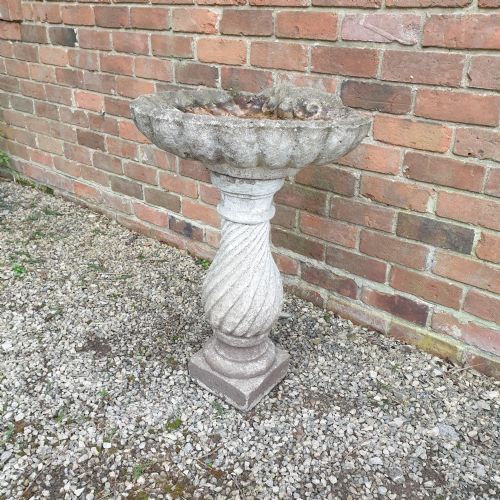
Cast Stone Pedestal
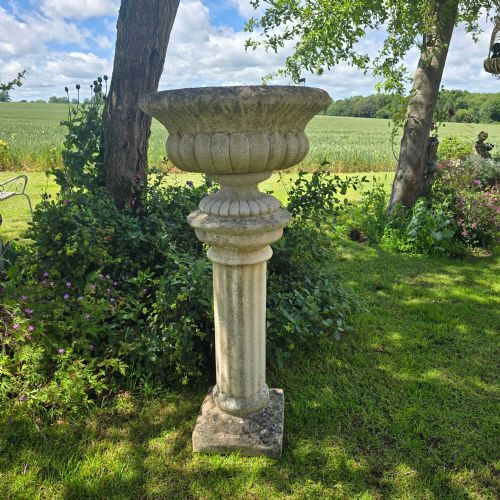
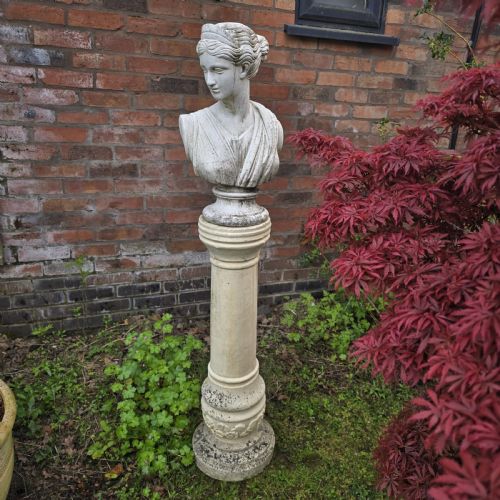
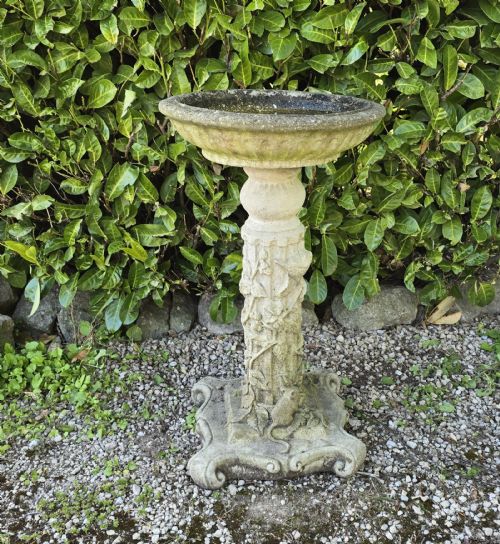
A cast stone pedestal elevates garden urns, statues and birdbaths, bringing classical presence to lawns and terraces.
Cast Stone Pedestal
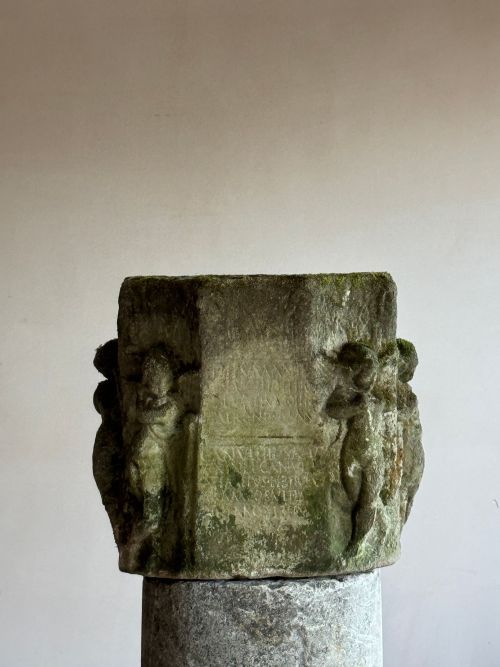
When searching for a cast stone pedestal, buyers encounter garden ornaments designed to support urns, figures, and sundials across various historical periods. The selections span the nineteenth century, Victorian, Edwardian, and mid-twentieth century eras, showing the enduring popularity of raised garden architecture.
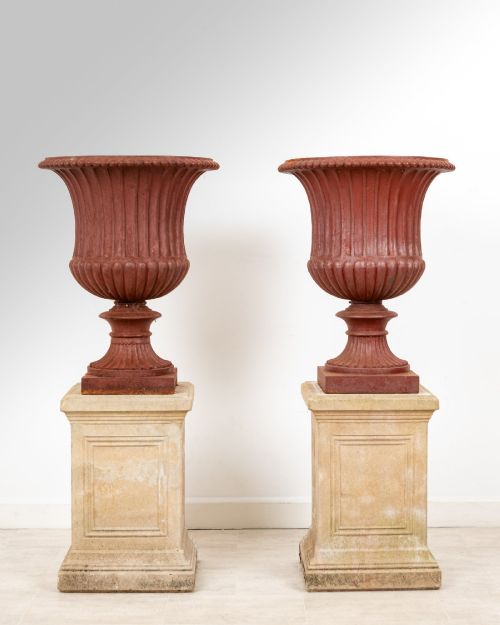
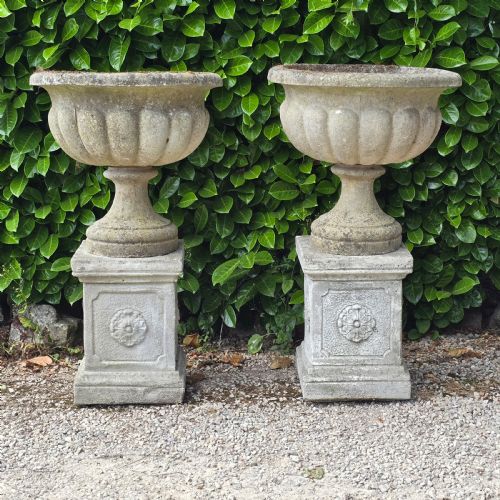
Most examples appear alongside associated garden statuary, including campana urns, classical figures, birdbaths, and architectural columns. These pieces derive from classical revival, neoclassical, and gothic revival traditions, often forming pairs or matched sets placed within English country garden schemes.
Materials and construction methods
The objects listed utilise hardwearing mediums such as cast stone, reconstituted stone, concrete, and carved limestone. These aggregate materials allow makers to cast intricate classical details like acanthus leaves and fluting with durability against weathering.
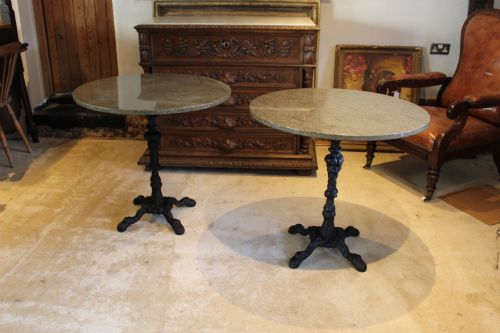
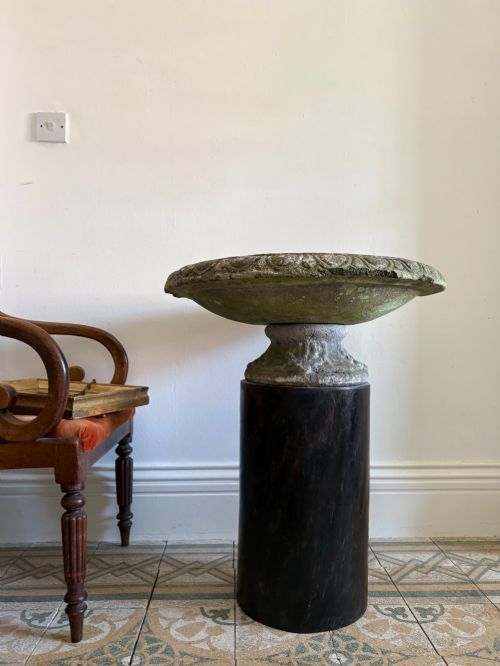
Many structural elements incorporate mixed materials, pairing stone or concrete bases with cast iron urns, granite tops, or bronze sundials. Over decades outdoors, these surfaces acquire natural weathering patinas of moss and lichens.
Listings feature pieces spanning the nineteenth century, Victorian, Edwardian, and 1950s periods in stone, concrete, and cast iron.
Quality and proportion in garden pedestals
Quality rests upon the crispness of the architectural moulding and the harmony of proportion between the support and its load. Superior examples display sharp relief in classical motifs such as Corinthian capitals or neoclassical panels, rather than softened, degraded surfaces.
The integrity of the material and the depth of weathering further distinguish better examples, where decades of exposure produce a stable, attractive surface crust rather than structural crumbling.
Andrew Handyside
The Cast Stone Pedestal Glossary
- Cast stone
- A refined concrete product manufactured to simulate natural cut stone, used extensively for garden ornaments and architectural details. It provides a durable medium for crisp classical moulding.
- Plinth
- A heavy base or square block upon which a statue, column, or urn rests. It raises the main decorative object above ground level.
- Campana urn
- A bell-shaped garden vessel with an everted rim, frequently mounted upon pedestals or plinths. This classical form originates from ancient Roman bronze and marble wine vessels.
- Neoclassical
- A style reviving the architectural and artistic forms of ancient Greece and Rome, prominent in nineteenth-century garden design. It emphasises symmetry, columns, and acanthus ornamentation.
- Reconstituted stone
- A manufactured material composed of crushed stone aggregate and a binder, cast in moulds to replicate natural stone. It offers consistent strength for outdoor statuary.
Cast Stone Pedestal: Frequently Asked Questions
How do I choose the right height for a garden pedestal?
Consider the scale of the urn or statue it will carry and the sightlines of your garden.
Taller columns suit open lawns or framing doorways, while shorter plinths keep seated figures and birdbaths at a comfortable viewing level.
Can cast stone pedestals stay outside in winter?
Most reconstituted stone and cast stone pieces tolerate outdoor winter conditions well.
However, ensuring good drainage beneath the base prevents water from freezing and cracking the material during hard frosts.
How do I clean weathered cast stone?
Gentle washing with water and a soft brush removes excess dirt while preserving the aged patina.
Avoid harsh pressure washing or chemical cleaners that strip away the weathered surface crust developed over decades.
What styles match Victorian garden pedestals?
Victorian pedestals pair naturally with classical revival urns, cast iron campana vessels, and traditional stone statuary.
They complement formal terrace layouts and established English country garden designs.