




Cast Metal Desk Accessory
A cast metal desk accessory brings heft, utility and character to a workspace, ranging from heavy iron paperweights to bronze inkwells.
Cast Metal Desk Accessory
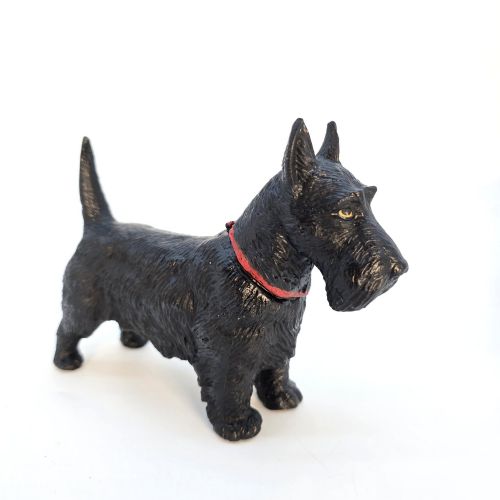
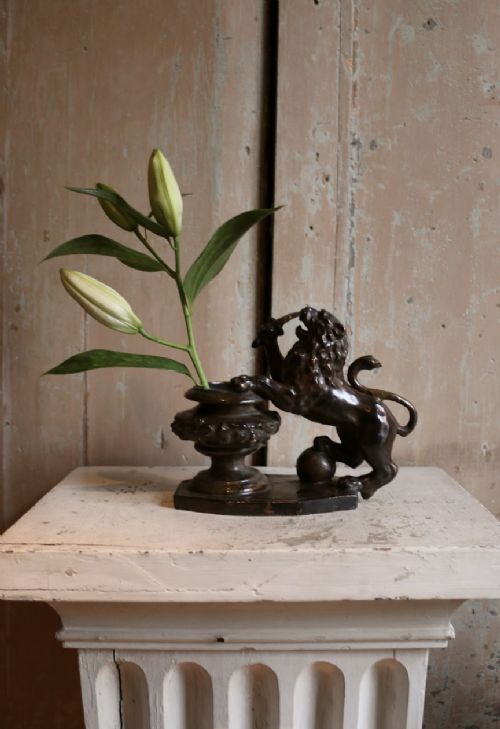
A cast metal desk accessory comprises functional and decorative items designed for the writing table, most frequently appearing as paperweights, bookends, inkwells, and small cannons from the nineteenth and early twentieth centuries. Pieces span Victorian, Edwardian, Art Nouveau and Art Deco styles, showing diverse inspirations from animals and figures to military hardware.
Judging execution and finish
The weight and stability of the piece matter significantly, as heavier bronze or cast iron components provide proper function for bookends and paperweights, while integrated materials like glass ink bottles or wooden mounts require appropriate proportion and secure fitting.
The listings span from the seventeenth century to the Art Deco era, encompassing materials like bronze, spelter, cast iron, oak and glass.
C Omin·Jennings Brothers·Zimmermann·Whitehouse and Son
The Cast Metal Desk Accessory Glossary
- Cold painted bronze
- A bronze object painted with oil or watercolour that is not fired in a kiln. This technique was widely used on Austrian animal figures and desk ornaments.
- Spelter
- An alloy of zinc and lead or copper, often used as a cheaper alternative to bronze. It provides a lighter and softer medium for decorative desk ornaments and match strikers.
- Animalier
- A nineteenth-century artistic style focusing on the realistic depiction of animals. Many desk accessories and paperweights adopt this sculptural approach.
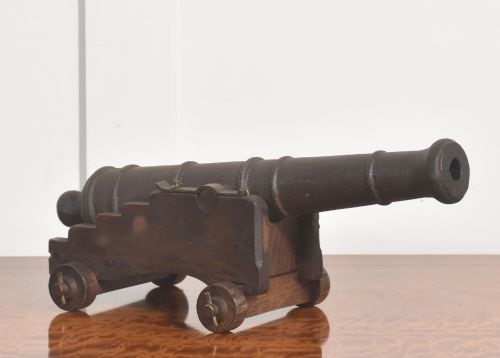
- Signal cannon
- A small ordnance model, frequently cast in iron or bronze on a wooden carriage. On desks, these often doubled as paperweights or decorative novelties.
Cast Metal Desk Accessory: Frequently Asked Questions
What is a cast metal desk accessory?
It is a functional or decorative object made from metals like bronze, iron or brass intended for use on a writing desk. Common examples include inkwells, paperweights, bookends and desk cannons.
These pieces combine utility with artistic design, reflecting the aesthetic tastes of periods ranging from the seventeenth century through to the Art Deco era.
How were inkwells used historically?
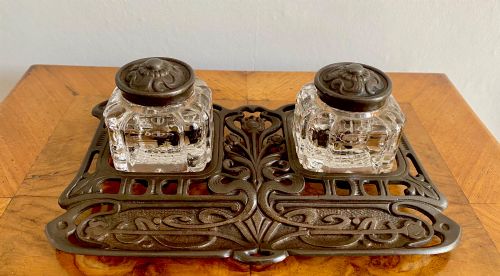
Inkwells held liquid ink for dip pens before the widespread adoption of the fountain pen. They were frequently housed within ornate stands accompanied by pen trays and stamp boxes.
Many incorporated glass inserts to contain the ink safely while protecting the surrounding metal or stone base from corrosion.
How do I identify Art Nouveau pieces?
Art Nouveau desk accessories feature characteristic flowing lines, asymmetric plant motifs and stylised organic forms. These designs typically date from around the turn of the twentieth century.
Copper and brass were frequently utilised during this period, often paired with original glass ink bottles and integrated pen rests.
Are desk cannons functional?
While modelled on real artillery and sometimes capable of producing a loud report with gunpowder, historic desk cannons were primarily decorative ornaments or heavy paperweights.
They usually rest on oak or mahogany carriages and date predominantly from the nineteenth and early twentieth centuries.