



Patinated Metal Paperweight
A patinated metal paperweight anchors a desk with sculptural weight, offering miniature animalier studies, architectural models and classical casts from the nineteenth and early twentieth centuries.
Patinated Metal Paperweight
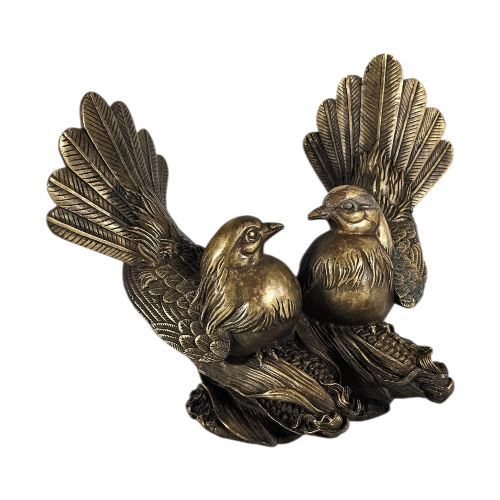
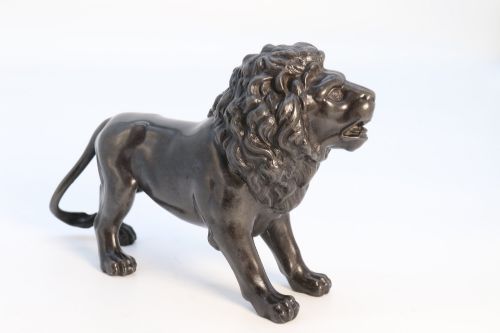
When a buyer explores a patinated metal paperweight, they encounter a diverse array of small bronze, pewter, copper and cold painted metal sculptures that double as functional desk objects. These pieces range from naturalistic animal studies such as frogs, beetles and lions to architectural models like the Arc de Triomphe and mythological figures derived from the Grand Tour tradition.
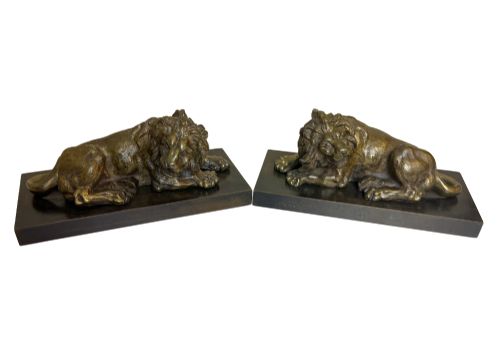
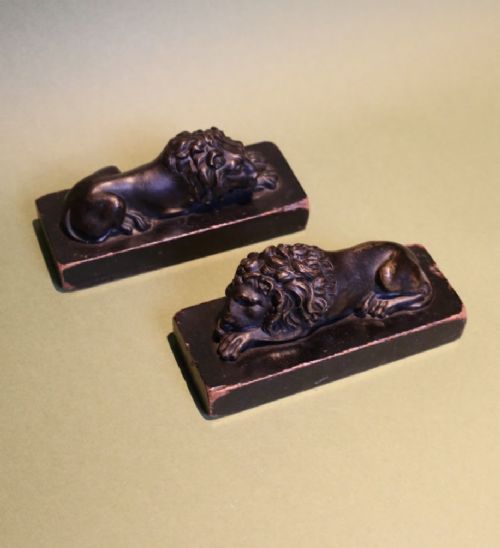
The selections span the nineteenth century into the Edwardian era and the 1930s, encompassing English, French, Italian, Japanese Meiji period, Chinese Late Qing and American origins. Many are cast as pairs or singular figures, often mounted on stone bases of marble or alabaster or rendered entirely in solid metal.
The most frequent encounters on this page include miniature dogs, lions and frogs alongside human figures and architectural fragments. Buyers select these items for their tactile presence, historical resonance and the depth of age written into their chemical surfaces.
Materials and casting methods
Makers utilised traditional foundry techniques, primarily casting bronze, pewter and copper into detailed moulds. Many pieces display meticulous hand chasing to refine fur, feathers and architectural stonework after the cast cools.
Surface treatments define these objects, employing deliberate patination or cold painted finishes over the metal. Bases of heavy stone such as marble or alabaster provide stability and contrast to the dark or coloured metallic surfaces above.
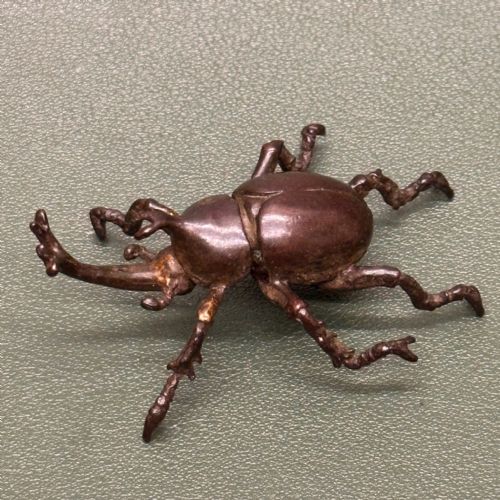
A solitary bronze rhinoceros beetle stands ready for administrative duty alongside miniature frogs and a coppered baby shoe.
Distinctions in execution and cast quality
The division between standard work and finer output rests in the crispness of the initial casting and the sensitivity of the hand finishing. Superior pieces retain sharp anatomical details in animal subjects and clean architectural lines without softness in the corners.
The integrity and depth of the patina or cold painted surface determine visual success. Wear that reveals the warm undertone of the metal naturally over time differs significantly from crude overpainting or surface obscuration.
Jennings Brothers·Marion Willis Stanfield
The Patinated Metal Paperweight Glossary
- Patina
- The surface sheen and coloration developed naturally through age or applied chemically by the maker. This skin protects the underlying metal while providing tonal depth.
- Animalier
- A nineteenth-century artistic genre focusing on the realistic depiction of animals. These sculptures capture creatures in motion or repose with anatomical precision.
- Cold painted
- A technique where enamel or oil paint is applied to cold metal without subsequent kiln firing. This method yields vibrant polychrome surfaces on small bronzes.
- Grand Tour
- Souvenirs and miniature architectural models collected by travellers in Europe during the eighteenth and nineteenth centuries. They reference classical antiquity and Renaissance monuments.
- Meiji period
- The era of Japanese history lasting from 1868 to 1912, noted for exceptional metalwork and intricate bronze okimono. Works from this time demonstrate supreme technical mastery in casting flora and fauna.
Patinated Metal Paperweight: Frequently Asked Questions
What is a patinated metal paperweight?
These items are small sculptural objects cast from bronze, pewter or copper, finished with chemical patination or cold painted details. They served historically on writing desks to secure loose documents.
Today they function as cabinet bronzes or decorative desk accessories, representing everything from classical architectural models to Japanese animal okimono.
How can I tell the period of a bronze?
Dating relies on stylistic markers, casting quality, foundry marks and the nature of the wear upon the metal. Nineteenth-century Grand Tour pieces and Meiji period bronzes each carry distinct aesthetic signatures tied to their regional workshops.
Examining the underside for mounting screw types, casting seams and the depth of the patina helps establish the era of manufacture.
Why are some figures mounted on marble?
Mounting small bronzes on marble or alabaster bases became popular during the nineteenth and early twentieth centuries to add visual weight and stability. This practice elevated miniature sculptures into distinct desk ornaments.
Different stones indicate various stylistic preferences, from French neoclassical designs to later Art Deco desk accessories.