
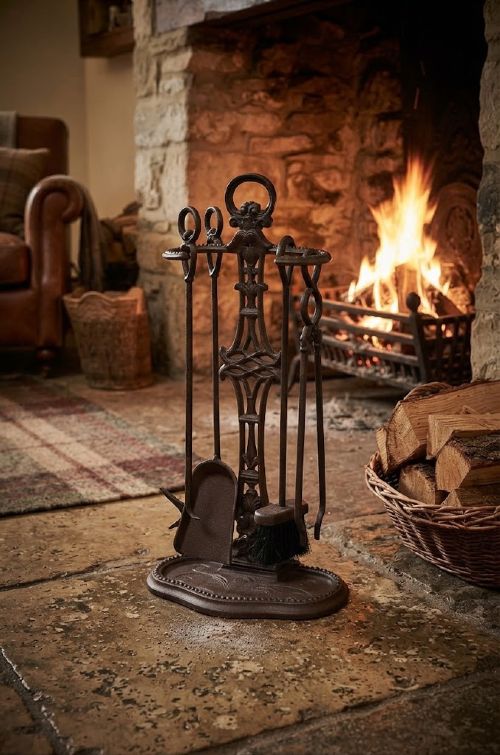
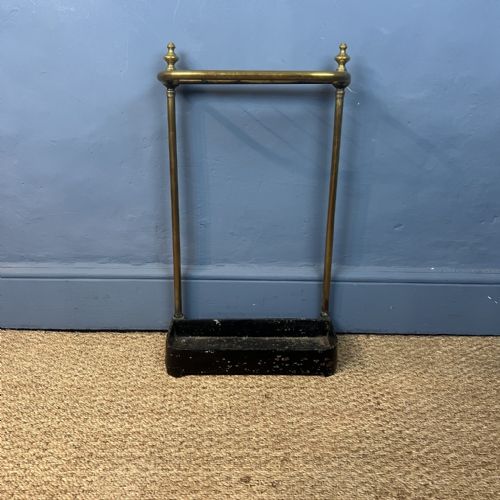
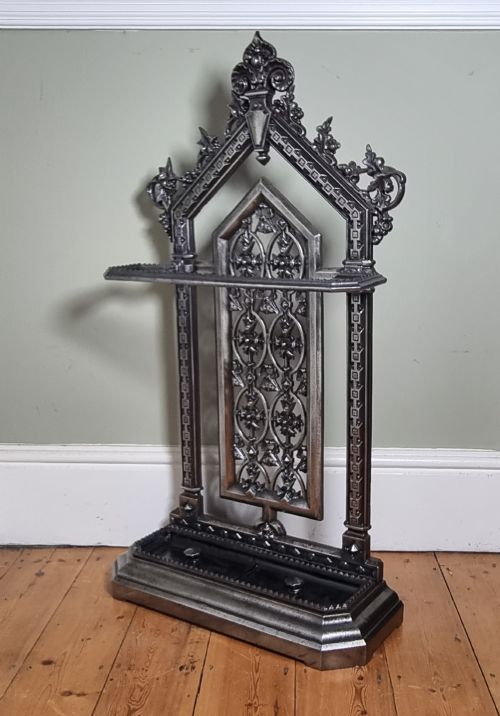
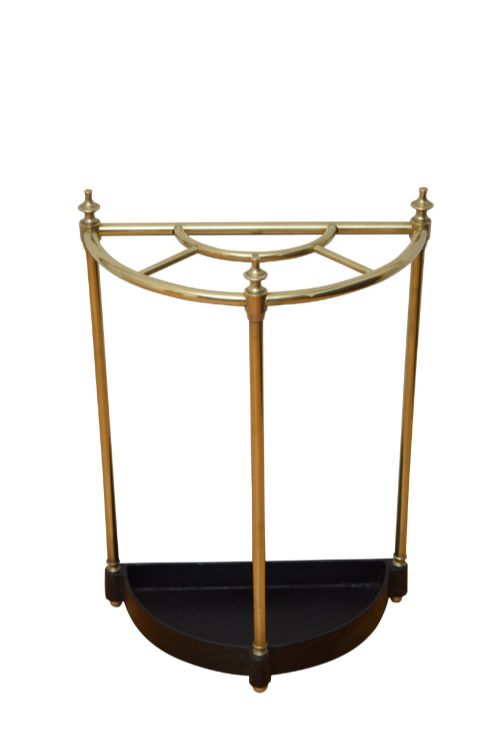
Cast Iron Hallway Rack
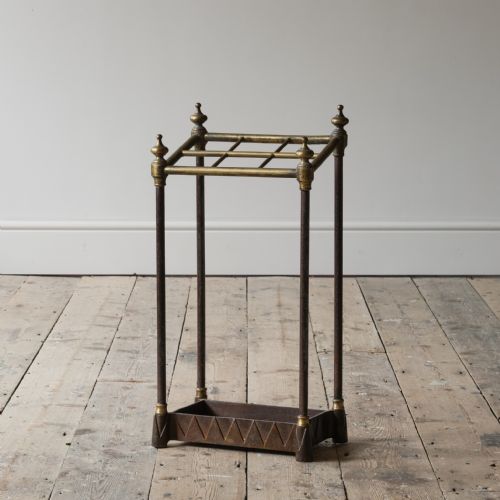
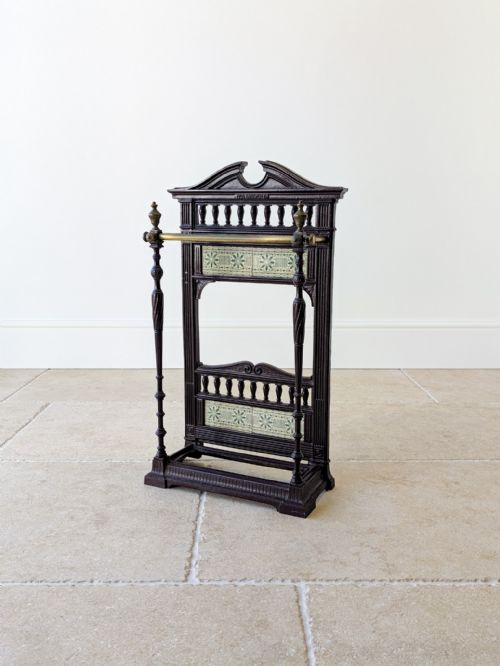
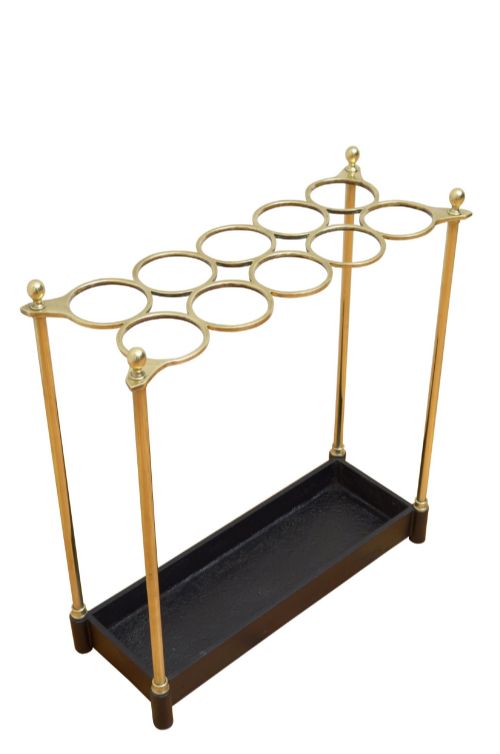
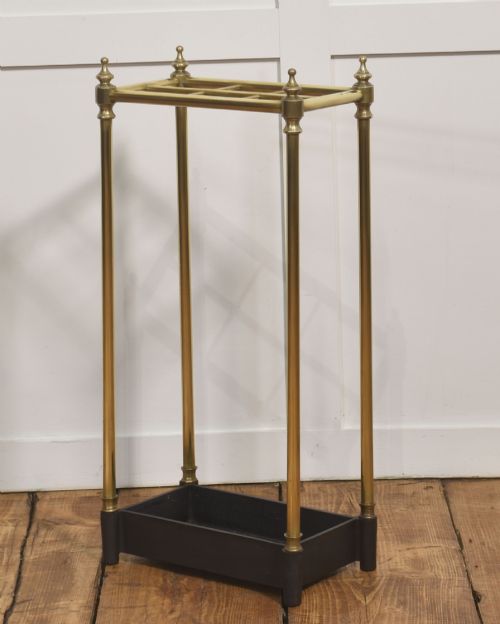
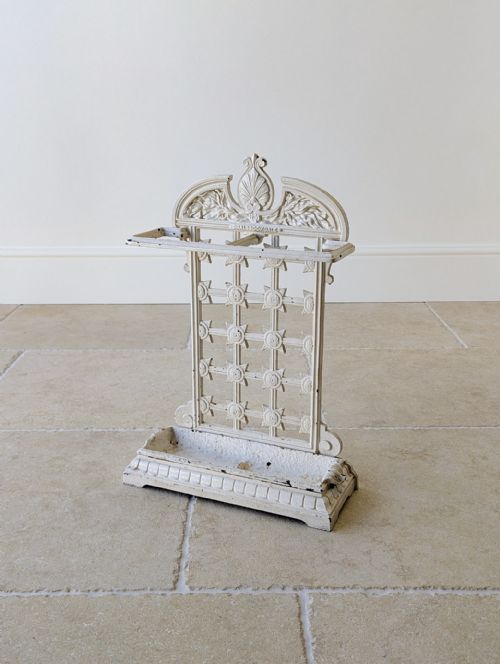
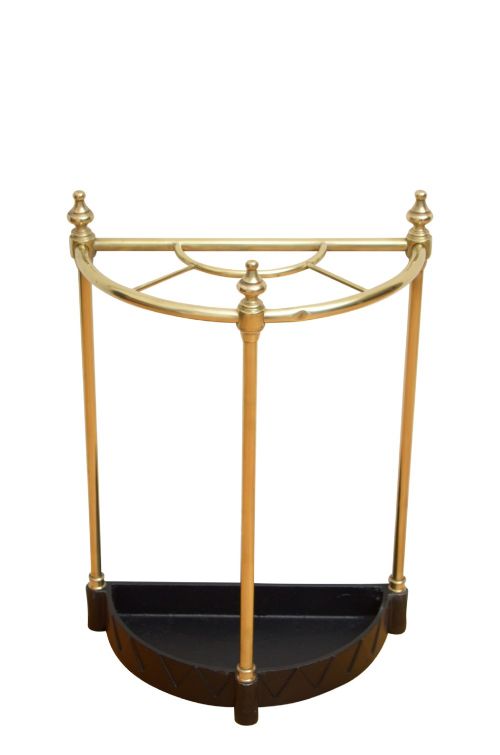
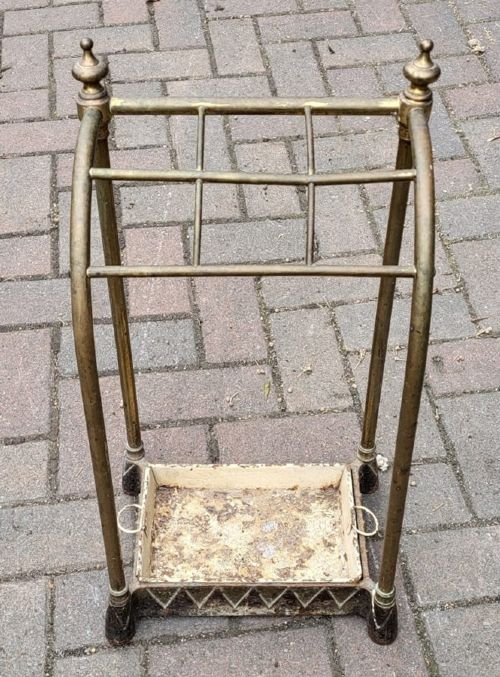
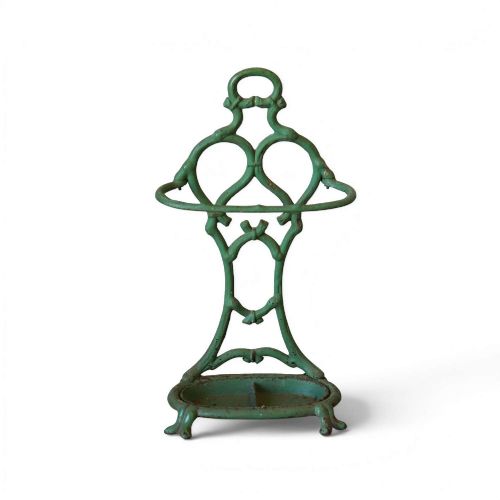
These cast iron hallway rack examples manage hallway clutter with robust metal frames built to hold walking sticks, umbrellas, and coats.
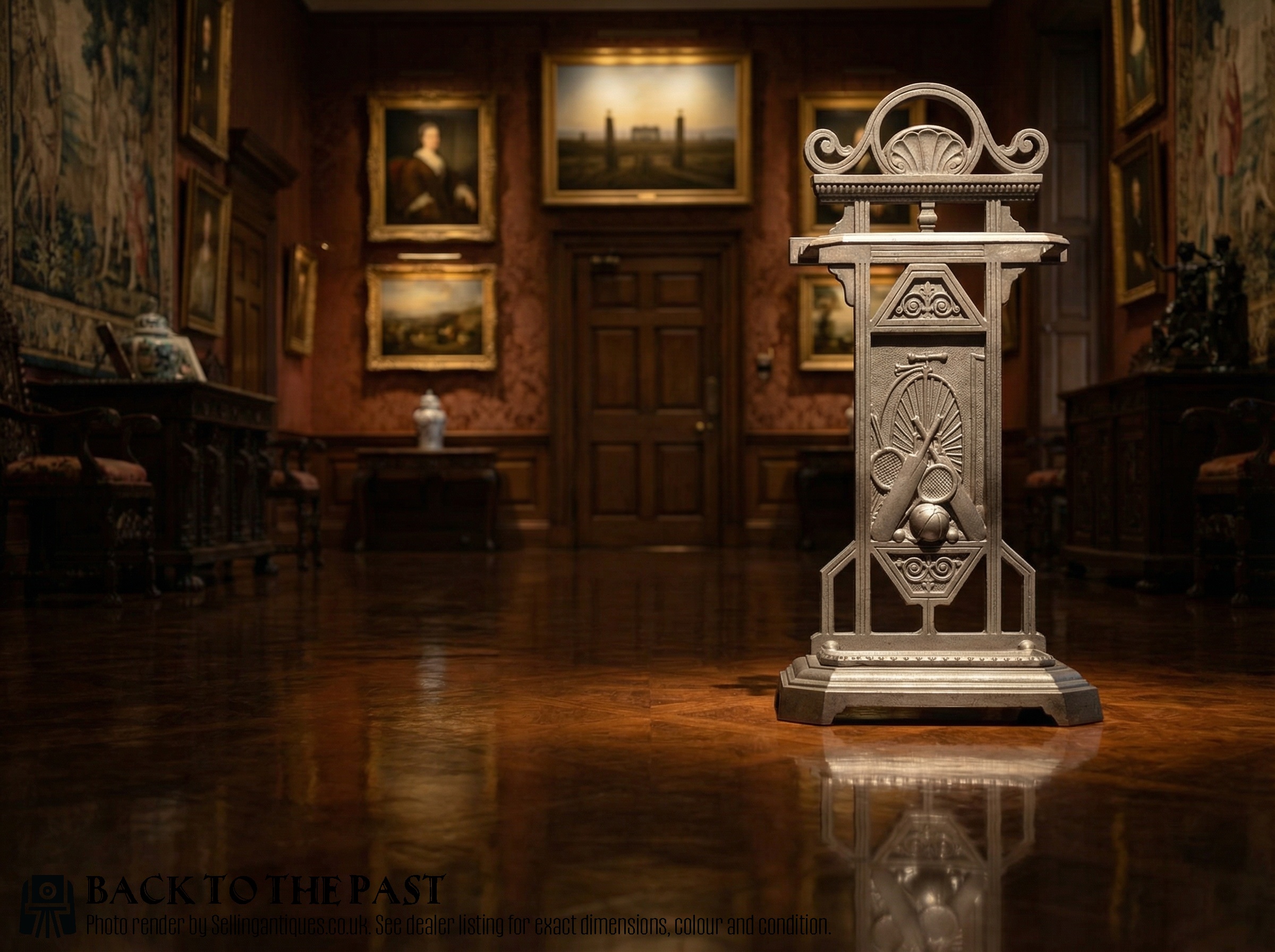
Cast Iron Hallway Rack
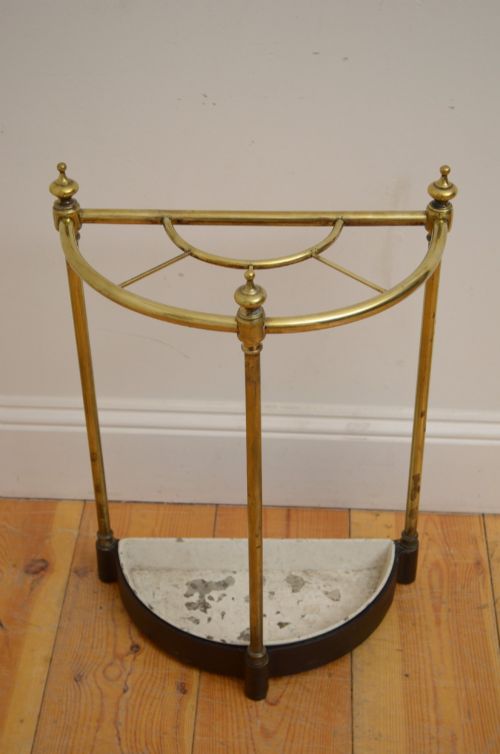
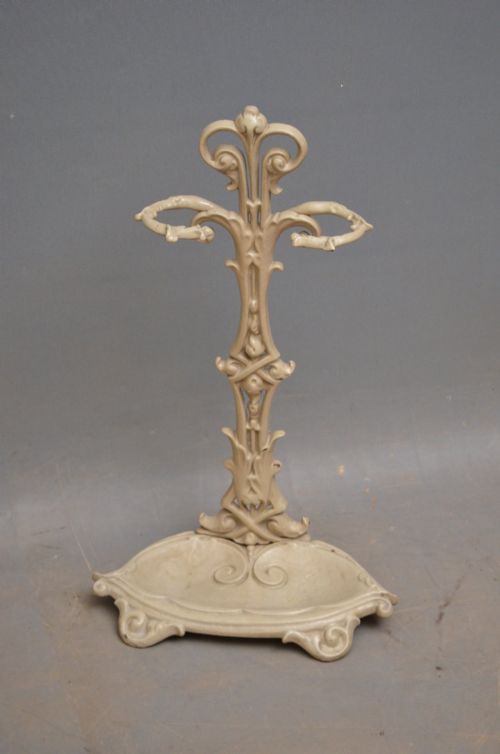
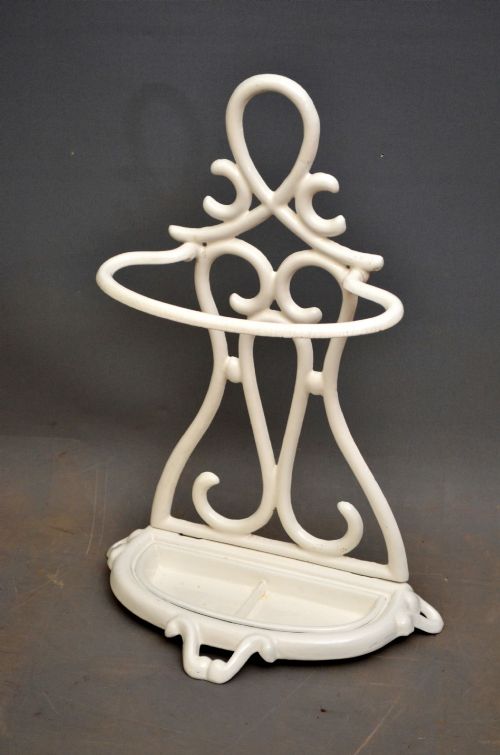
When searching for a cast iron hallway rack, a buyer looks at sturdy umbrella stands, stick stands, and hall stands designed for nineteenth and early twentieth century entranceways. The most common versions on this page combine heavy cast iron frames with brass rails, ceramic drip pans, and enamel finishes, spanning periods from the Victorian era through Edwardian times and the Art Deco period.
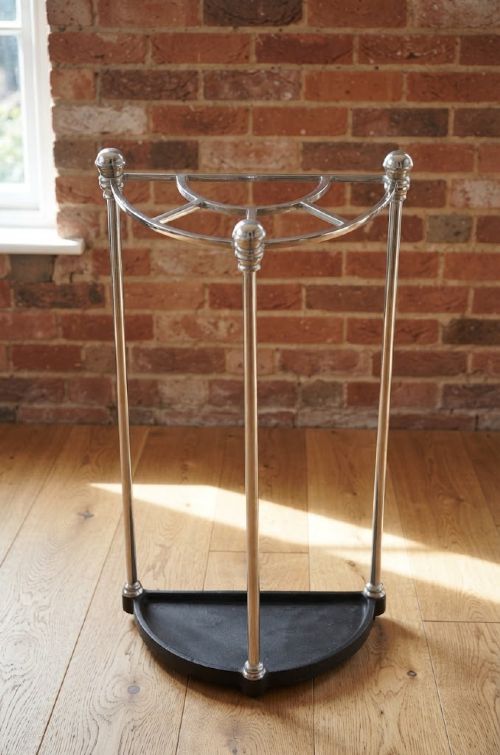
Many examples take a demi-lune or half-moon shape to sit flush against an entrance passage wall, while others adopt botanical or figural forms. Makers utilised durable metals alongside auxiliary materials like mahogany and pitch pine to create functional furniture intended for daily household use.
Materials and construction methods
Foundries utilised sand casting to produce the heavy iron frames, pouring molten metal into moulds that captured intricate plant motifs, geometric patterns, and figural designs. Makers combined cast iron with brass rods, nickel plating, and tubular metal to build rigid structures capable of withstanding heavy daily use.
Surfaces received various treatments, including black paint, white enamel finishes, or polished brass details, often paired with removable ceramic or iron drip trays at the base to catch moisture from wet umbrellas.
Listings feature cast iron combined with brass, ceramic, mahogany, and nickel plating across Victorian and Edwardian periods.
Factors of quality and execution
Quality rests in the crispness of the casting and the refinement of the decorative details, where superior pieces exhibit sharply defined mouldings rather than soft, blurred edges. The integrity of the structure depends on the original assembly of the iron frame and brass components, alongside the survival of matching drip trays.
Foundry marks and legible registry or date stamps indicate originating workshops of note, elevating pieces beyond standard utilitarian hallway furnishings into recognised examples of nineteenth century industrial design.
Coalbrookdale·Falkirk Ironworks·A. Kenrick & Sons
The Cast Iron Hallway Rack Glossary
- Demi-lune
- A half-moon shape designed to allow furniture to stand flat against a hallway wall.
- Drip tray
- A removable ceramic, enamel, or metal tray positioned at the base to catch water from umbrellas.
- Coalbrookdale
- A prominent nineteenth century ironworks known for producing decorative cast iron furniture and architectural metalwork.
- Faux bois
- A decorative technique mimicking the texture and appearance of natural wood grain, often applied to cast iron.
Cast Iron Hallway Rack: Frequently Asked Questions
How were these hallway stands used?
These pieces stood in entrance halls to organise walking sticks, umbrellas, and sometimes coats for residents and visitors.
The lower trays caught rainwater from wet items to protect hallway floors from moisture.
How do I date a cast iron stand?
Dating relies on stylistic clues like Victorian ornamentation, Aesthetic Movement geometry, or later Art Deco lines.
Foundry marks, registration numbers, and stamped dates can also pinpoint the exact manufacturing period.
Are all these stands made entirely of iron?
While cast iron forms the primary structural frame, many pieces incorporate other materials like brass rails and ceramic trays.
Some examples also feature wooden components such as pitch pine or mahogany.
Where should I place a hallway rack?
Demi-lune designs fit neatly against narrow entrance passage walls without blocking thoroughfares.
Free-standing versions require slightly more floor space to display umbrellas and walking sticks safely.