
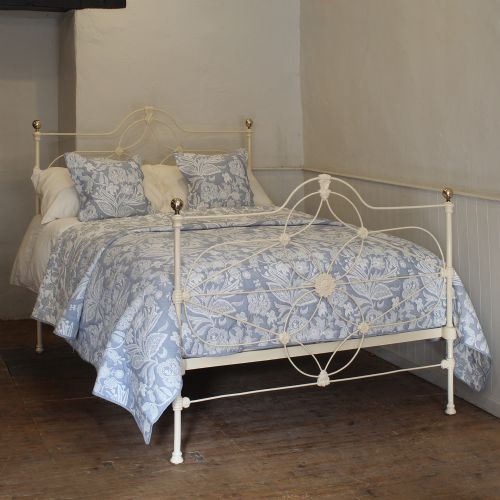
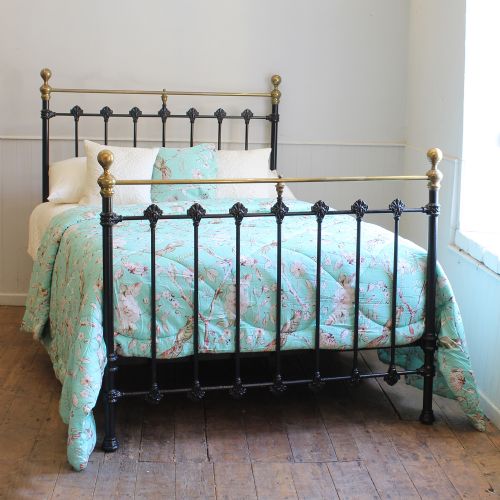
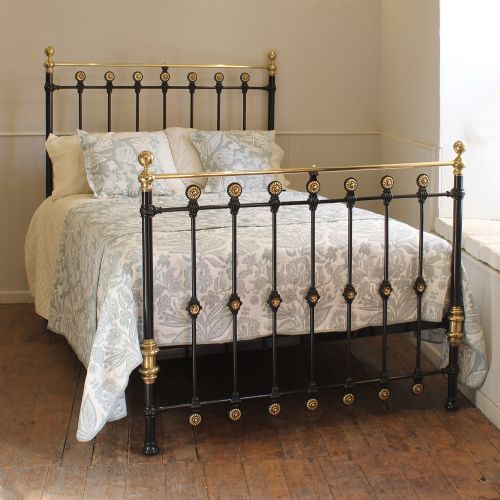
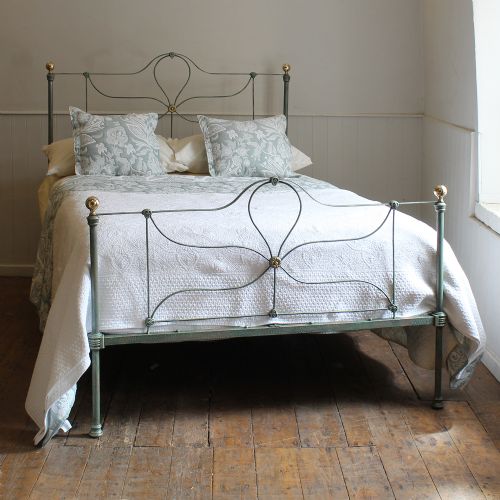
Cast Iron Frame
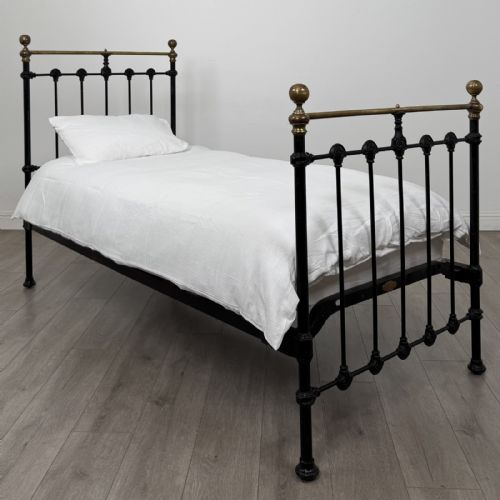
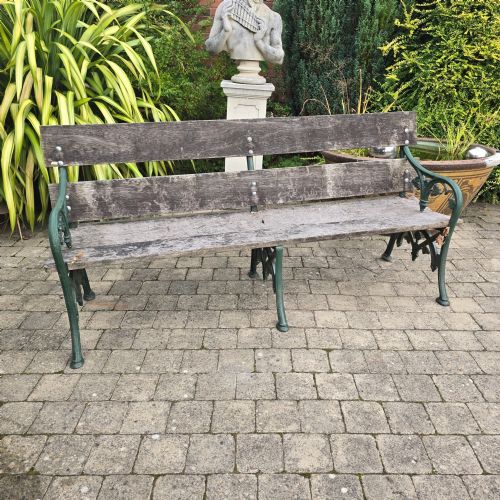
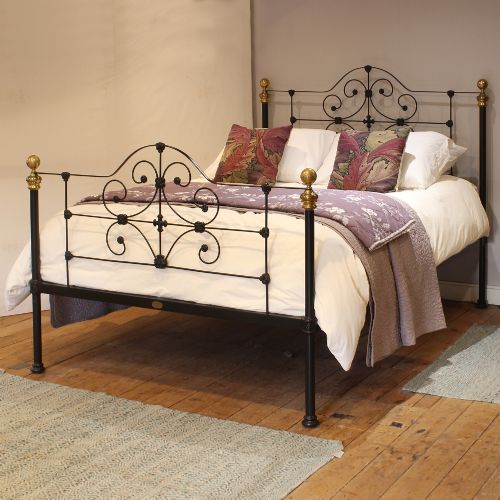
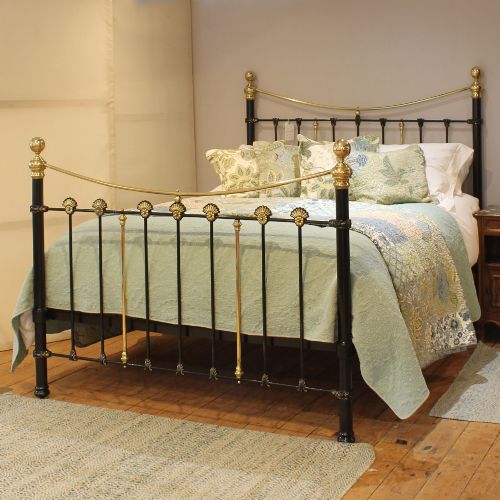
A cast iron frame provides the sturdy structural backbone for heavy Victorian and Edwardian furniture, supporting everything from substantial brass-mounted bedsteads to outdoor garden seating.
Cast Iron Frame
When you search for a cast iron frame, you are looking at the robust metal skeletons that form the core of nineteenth and early twentieth-century beds, seating and decorative mirrors. These pieces date from the Victorian and Edwardian eras, spanning periods such as 1860, 1870, 1880, 1890, 1900 and 1910.
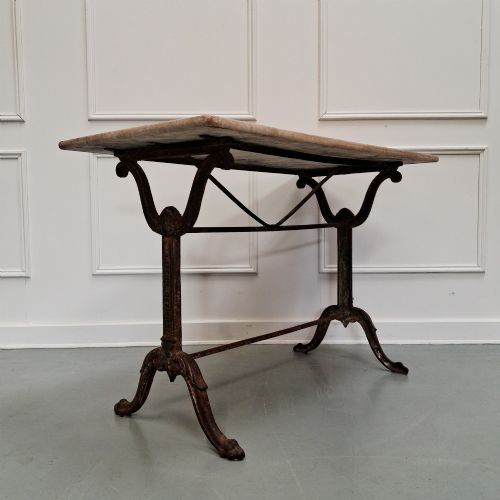
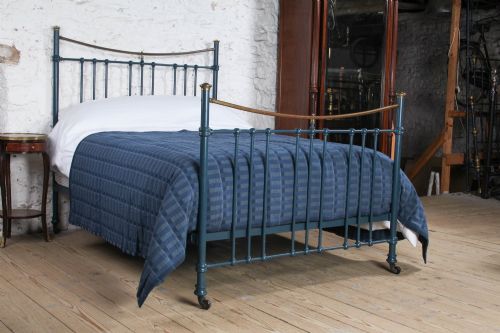
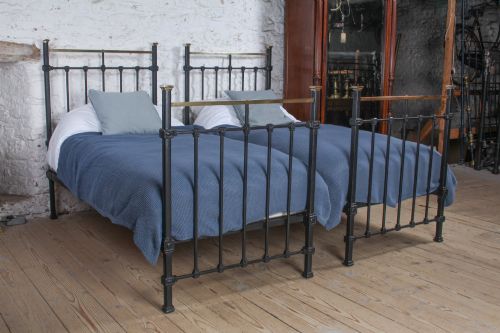
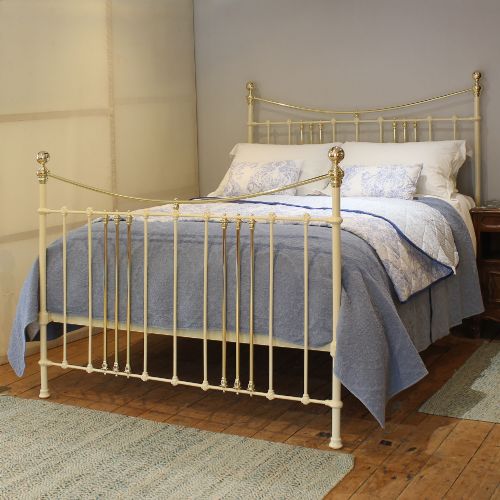
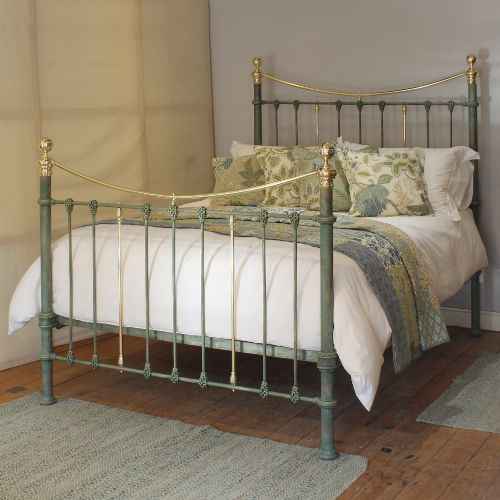
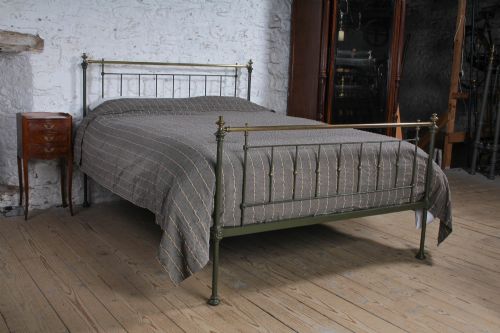
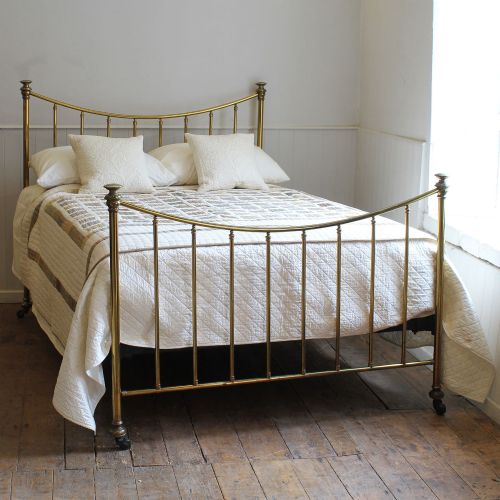
The version you are most likely to meet on this page is the bedstead, often paired with brass elements, ceramic or glass details, and wood components. Alongside beds, the selection includes garden benches, wall mirrors, daybeds, and table bases.
The origins of these items cross Victorian Rustic, Art Nouveau, French Country, Celtic Revival, and Aesthetic Movement styles. They range from single sizes up to super king, incorporating slot-in frames, castors, and decorative castings.
What varies in quality
The distinction between standard utility items and finer examples lies in the crispness of the castings and the depth of the decorative detail. Pieces featuring intricate ribbon reeds, tapered posts, or specialised maker marks demonstrate superior foundry work.
Construction methods and material combinations also define the tier of a piece. The inclusion of heavy brass fittings, robust corner brackets, and well-preserved original painted or nickel-plated surfaces separates basic framework from exemplary production.
Listings span the Victorian and Edwardian periods, featuring materials including cast iron, brass, wrought iron, paint, wood, ceramic, and glass.
Winfield·Gillows of Lancaster
The Cast Iron Frame Glossary
- Cast Iron
- Iron shaped by pouring molten metal into a mould. This material provides heavy, rigid support for nineteenth-century bedsteads and table bases.
- Bedstead
- A framework of a bed supporting the mattress and springs. These items frequently combine iron structures with brass posts and decorative castings.
- Daybed
- A couch that can be used as a seat or a bed. Late Victorian examples often utilise iron frames with ornamental side rails.
- Dip Rail
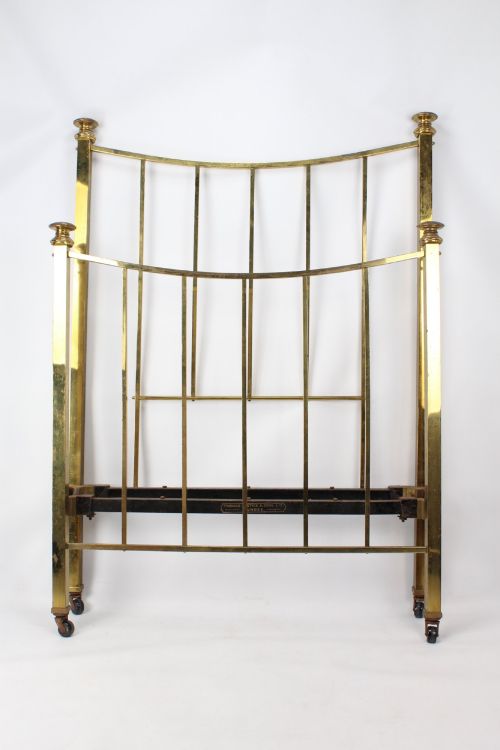
- A bed headboard or footboard rail that curves downward in the centre. This shaping is characteristic of Edwardian bed designs.
- Castors
- Small wheels attached to the legs of furniture to ease movement. Victorian iron bed frames commonly feature these for mobility.
Cast Iron Frame: Frequently Asked Questions
What is a cast iron frame bed?
A cast iron frame bed is a heavy metal bedstead dating from the Victorian or Edwardian periods. These structures often feature brass components and decorative castings.
They combine robust metal rails with headboards and footboards, frequently set on castors for movement.
How do I date a cast iron frame?
Dating relies on stylistic clues, materials, and construction methods recorded across the Victorian and Edwardian eras. Earlier pieces from the mid-nineteenth century often display simpler curly ironwork.
Later items from the 1890s and 1900s incorporate Art Nouveau motifs, nickel plating, or specific maker marks that narrow down the production period.
Are cast iron frames heavy?
These frames are exceptionally heavy due to the solid metal construction used in their manufacturing. They require multiple people to transport and assemble safely.
Many historic bed frames use slot-in joints, allowing the side rails to detach from the headboard and footboard for easier moving.
How do I clean a cast iron frame?
Cleaning involves removing dust with a soft brush and wiping metal surfaces with a dry or lightly dampened cloth. Avoid harsh chemical cleaners that can strip original paint or patination.
Brass and nickel elements require specific metal care to maintain their finish without damaging adjacent ironwork.