



Cast Iron Desk Ornament
A cast iron desk ornament brings solid weight and historical character to a workspace, offering everything from miniature artillery to portrait busts.
Cast Iron Desk Ornament
A cast iron desk ornament is a practical or decorative object designed for the workspace, drawn from periods including the Victorian era, the Edwardian period, and the 1920s. Buyers searching for a cast iron desk ornament encounter forms such as paperweights, scale models, table lighters, and portrait busts.
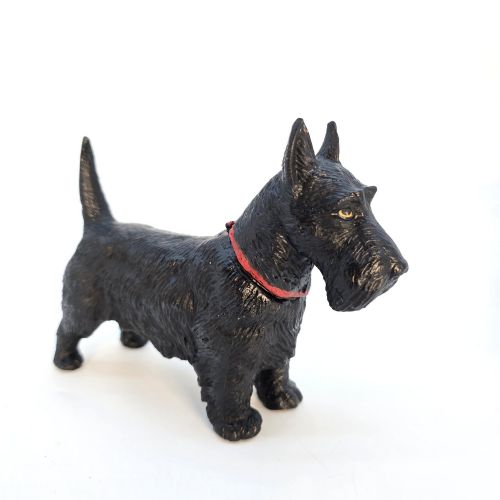
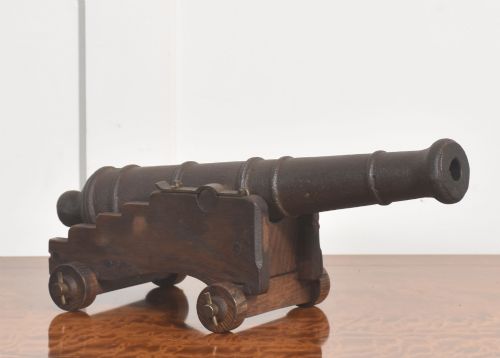
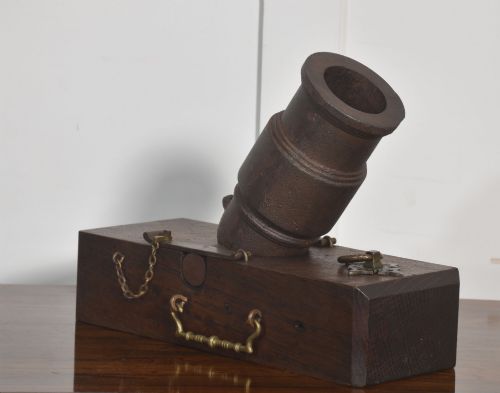
The selection ranges from utilitarian paperweights and signal cannons mounted on oak carriages to detailed animal sculptures and military models. Many pieces combine cast iron with brass, oak, paint, or bronze finish patina, reflecting both maritime and military themes.
How they were made
These items rely on traditional metal casting techniques, utilising iron and brass poured into moulds to capture sharp relief and intricate detail. Surface finishes involve applied paint, bronze patination, or polished brass elements combined with heavier iron bases.
Many scale models and decorative objects incorporate mixed media, mounting cast iron barrels and sculptures onto carved oak carriages or black marble plinths to provide stability and contrast.
Cast Iron Desk Ornament Retail Price Guide 2026
Typical asking prices for cast iron desk ornament among the pieces listed under this phrase on Sellingantiques today, from the lower quarter to the upper quarter. They describe what is for sale here now, not the wider market.
One nineteenth-century paperweight immortalises the Reverend Joshua Brooks, otherwise known as The Manchester Man.
What varies in quality
The choice of secondary materials also separates standard items from superior works, such as well-figured oak carriages for ordnance models or solid marble plinths for portrait busts.
The Cast Iron Desk Ornament Glossary
- Signal cannon
- A small-scale artillery piece designed to produce a loud report for ceremonial use rather than project a ball. These form a distinct subset of desk ordnance.
- Patina
- The surface sheen and coloration developed through age or artificial chemical treatment. A bronze finish patina mimics the appearance of heavier bronze on iron surfaces.
- Animalier
- A nineteenth-century artistic style focusing on realistic depictions of animals. French animalier bronzes and iron figures capture dogs and bulls in lifelike poses.
- Plinth
- A heavy base supporting a bust or sculpture. Black marble plinths provide both physical stability and a formal visual frame for desk ornaments.
- Table lighter
- A functional desk accessory designed to sit on a flat surface. These often take whimsical or figurative shapes, such as a Scottie dog.
Cast Iron Desk Ornament: Frequently Asked Questions
What is a signal cannon?
A signal cannon is a small miniature artillery piece made for firing blank charges on celebratory occasions. They often sit on wooden carriages as desktop display pieces.
These items reflect military and maritime interests from the nineteenth and early twentieth centuries, functioning primarily as decorative conversation pieces.
How do I clean cast iron?
Cleaning cast iron requires a dry or barely damp cloth to remove dust without disturbing the surface finish or paint. Avoid harsh chemical cleaners that strip patination.
Preserving the original bronze finish or painted surface maintains the historical character and visual appeal of the ornament.
Are these pieces functional?
Some desk ornaments serve a direct practical purpose, such as holding down bills or functioning as a table lighter. Others, like scale models of field guns and busts, are purely decorative.
Utility varies by object type, but most items bridge the gap between workspace utility and aesthetic display.
How are different periods identified?
Periods are determined through stylistic cues, manufacturing techniques, and materials such as oak carriages or black marble plinths. Victorian and Edwardian items often display specific ornamental motifs.
Makers frequently incorporated military events or contemporary figures, providing historical markers for dating individual pieces.