



French Military Antiques
French military antiques encompass bronze sculptures, oil portraits, and firearms that reflect centuries of European warfare and statecraft.
French Military Antiques
French military antiques span a wide functional range, covering edged weapons, firearms, sculptural bronzes, and portraiture. Buyers searching for french military antiques encounter objects dating from the eighteenth century through to the early twentieth century.
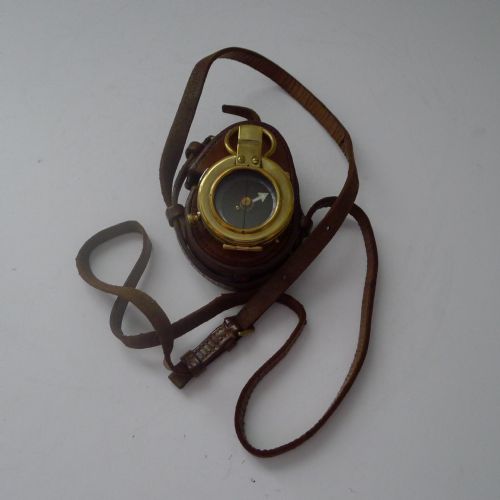
The material record includes cast iron field gun models, brass barrel pistols, and leather accoutrements. These pieces document both official military output and the sentimental output of sailors and soldiers.
Materials and construction methods
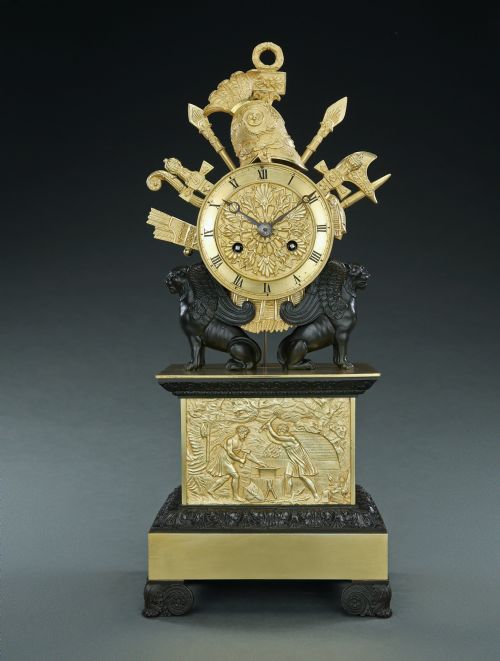
Metalwork forms the backbone of these pieces, utilising cast bronze, forged steel, and brass for armaments, clocks, and sculptural figures. Makers combined these metals with marble bases and wooden components to produce robust service items and decorative display pieces.
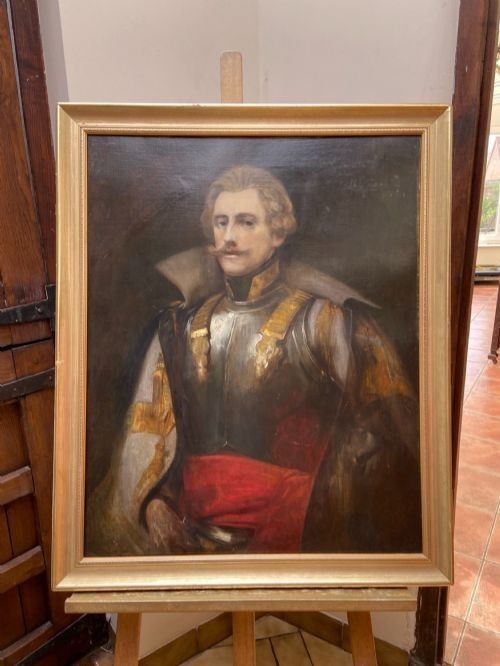
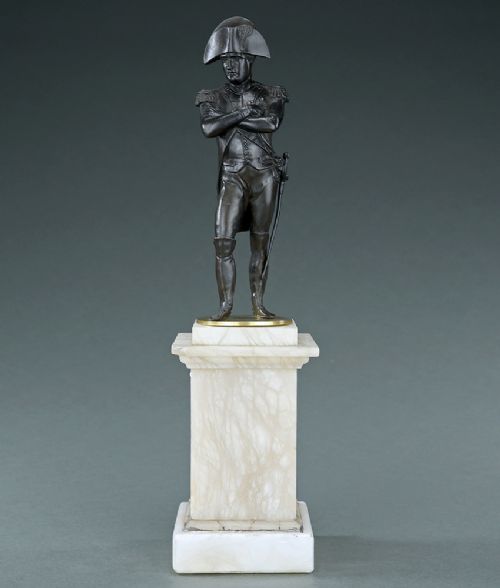
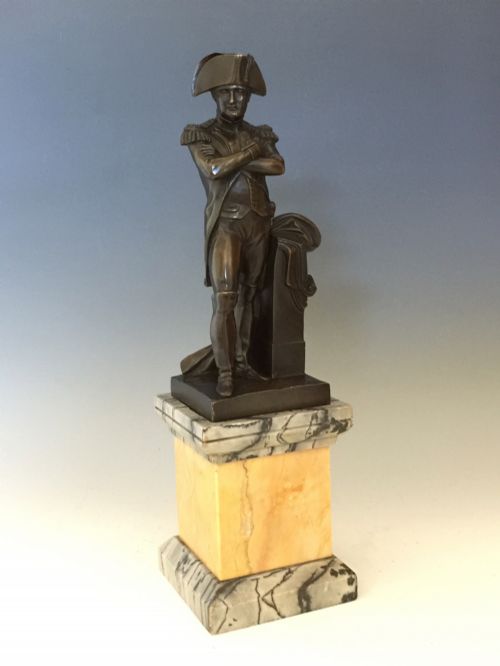
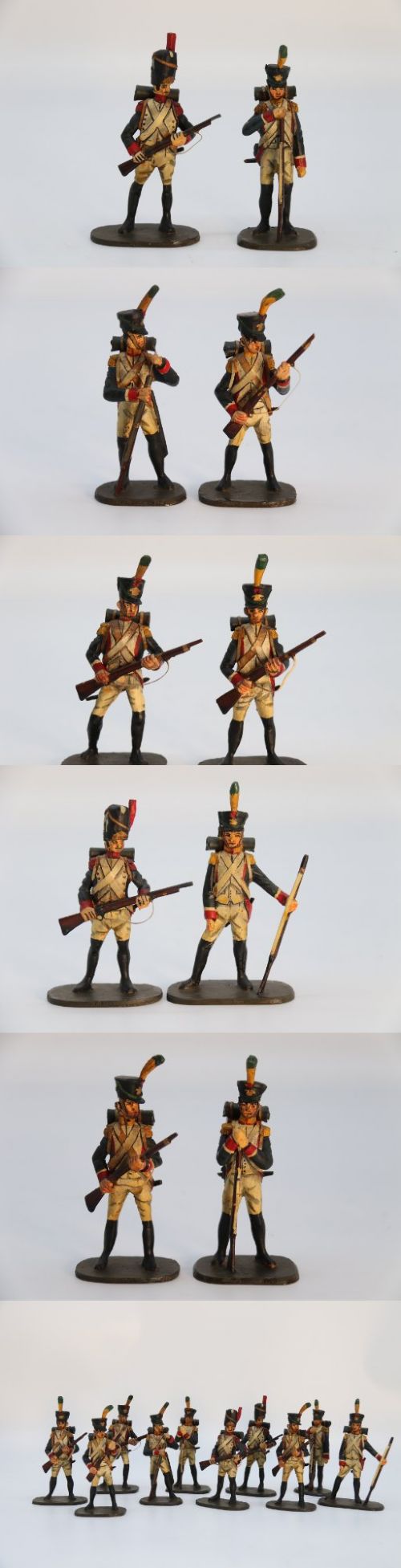
Artisans applied traditional oil on canvas and gouache techniques for portraiture and maritime scenes, whilst textiles and leather were shaped for uniforms, shako headwear, and belt clasps. Metal casting involved detailed chasing and patination on bronze figures of military leaders and soldiers.
Sailors on ironclad battleships kept sentimental gouache paintings of their floating homes long after stepping ashore.
Assessing quality and authenticity
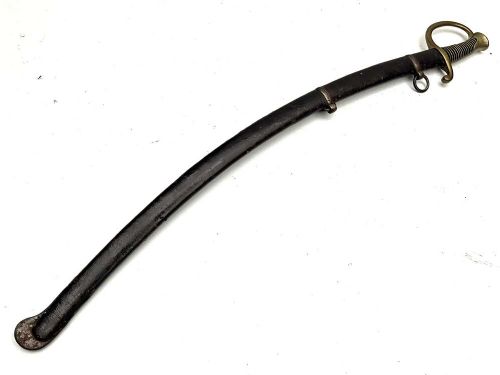
Quality in these objects rests upon the precision of the metal casting, the sharpness of chiselling on bronze sculptures, and the fidelity of uniform details on figures and paintings. Higher tier examples show maker signatures, precise period patterning on edged weapons, and well-preserved original patination.
Provenance and originality dictate the standing of a piece within this category, distinguishing standard military issue equipment from exhibition grade or presentation pieces. Masterful brushwork in oil portraits and accurate scaling in artillery models separate exceptional survivals from routine items.
Emile Guillemin·E.H. Dumaige·Paul Leon Jazet·Nicolas De Largilliere·French Ltd
The French Military Antiques Glossary
- Shako
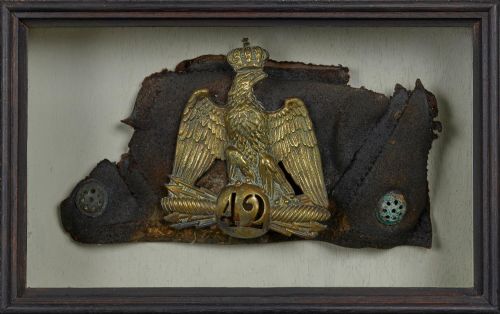
- A cylindrical military cap with a visor, often adorned with cockades and regimental plates. These headpieces were worn by infantry and artillery units during the nineteenth century.
- Flintlock
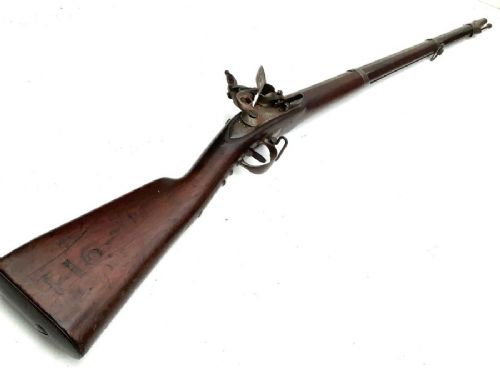
- An ignition mechanism used on muskets and pistols where a flint strikes a steel frizzen to create sparks. This system predates percussion cap technology.
- Cuirassier
- A heavy cavalry soldier equipped with a metal breastplate and backplate. Portraits and figures frequently depict these mounted troops.
- Gribeauval system
- A standardised design of field artillery introduced in France to unify cannon caliber and carriage construction. Models and full-scale pieces reflect this engineering standard.
- Patination
- The surface coloration and sheen acquired by bronze, brass, or iron through age and handling. Original patination is a key indicator of authenticity.
French Military Antiques: Frequently Asked Questions
How do I identify a Napoleonic period piece?
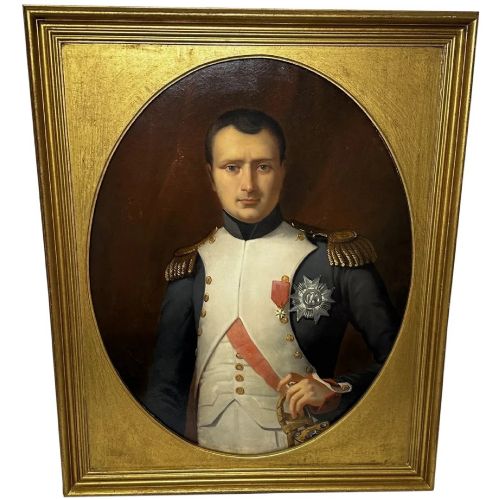
Napoloeonic pieces typically bear dates, stylistic markers, or portraits relating to the First French Empire between 1799 and 1815. Look for specific uniform details, such as shakos and bicorne hats, alongside iconography celebrating Napoleon Bonaparte.
Examination of the materials, such as early nineteenth-century bronze casting techniques and hand-hammered steel, helps confirm the era. Maker marks or signatures on paintings and firearms further anchor the piece to this period.
What materials are common in military antiques?
Bronze, steel, brass, and iron predominate in weaponry, artillery models, and sculptural figures. Wood and leather frequently appear in musket stocks, shako construction, and ammunition boxes.
Artworks utilise oil on canvas, gouache, and watercolour on paper. Precious metals such as silver gilt are occasionally found on high-status uniform accoutrements like belt clasps.
How should I display bronze sculptures safely?
Place bronze figures on stable, level surfaces away from direct sunlight and excessive humidity to protect any underlying marble bases and patinated finishes. Avoid using abrasive cleaning agents on the metal surface.
Dust the bronze gently with a soft, dry cloth to maintain the finish. Allowing a natural environment helps preserve the historical integrity of the piece.
Are antique firearms in working order?
Many antique firearms and muskets are sold as historic artefacts rather than functional weapons. Flintlock and pinfire mechanisms should be evaluated by a specialist before any attempt at operation.
Storage regulations for antique firearms vary by jurisdiction, requiring buyers to check local laws regarding deactivated or antique weapon ownership. Most collectors maintain these pieces for display and historical study.