




Cast Bronze Figural Lighting
Cast bronze figural lighting brings sculptural form to interiors, combining figurative design with functional illumination.
Cast Bronze Figural Lighting
Cast bronze figural lighting encompasses table lamps, candlesticks, and wall sconces featuring human or animal figures, originating predominantly from the nineteenth and early twentieth centuries. When searching for cast bronze figural lighting, buyers encounter pieces styled across nineteenth century French, Art Nouveau, Art Deco, and Black Forest traditions.
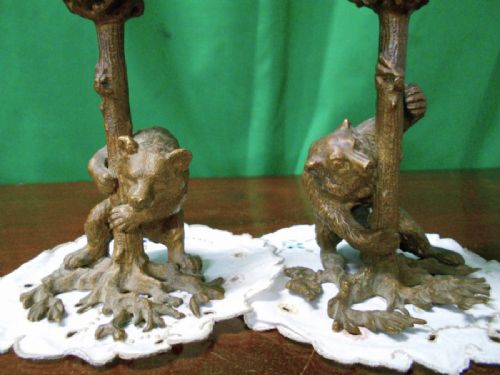
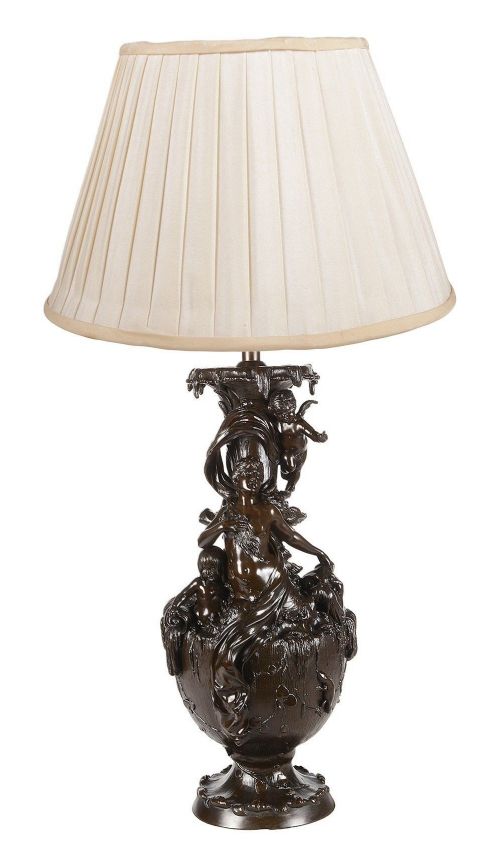
The selections on this page feature sculptural subjects ranging from classical figures such as the Goddess Amphitrite to putti, cherubs, bears, and stylized ladies. These items bridge decorative sculpture and functional lighting, utilising patinated metal, cast bronze, and spelter.
Makers such as L & F Moreau, Aug. Moreau, Adrien Gaudez, and P. Sega appear across the nineteenth and early twentieth century entries, reflecting French and continental foundry output. Pieces range from Victorian classical interpretations to later Art Deco designs.
Materials and construction methods
Foundries utilised casting techniques in bronze, spelter, and cast brass to achieve detailed figurative contours. Surface finishes commonly involve patination, gilding, or bronzing to simulate solid bronze on alternative metal bases.
Lamps incorporate secondary materials including glass and fabric for shades, alongside marble bases providing structural weight and visual contrast. Metal components are assembled to support electrical or candle components, adapting early sculptures for illumination.
Listings feature periods spanning from the Victorian era through the 1930s, utilising bronze, spelter, brass, and marble.
Evaluating quality and execution
Quality separates through the crispness of the metal casting and the depth of the chased detail across the figurative elements. Finer pieces demonstrate superior anatomical precision and expressive clarity in faces and drapery.
The integrity of the original patination and the substantial weight of the cast metal distinguish superior foundry output from lighter commercial alternatives. Signature placement and foundational materials such as marble further separate workshop standards.
L & F Moreau·Aug. Moreau·Adrien Gaudez·P. Sega
The Cast Bronze Figural Lighting Glossary
- Spelter
- A zinc alloy commonly utilised as a less costly alternative to bronze for sculptural lamp bases during the nineteenth and twentieth centuries. It accepts patination well to mimic bronze finishes.
- Patination
- The chemical or natural surface treatment applied to metal to alter its colour and create an aged finish. It protects the metal while enhancing visual depth.
- Putti
- Depictions of chubby male toddlers, often winged, frequently incorporated into classical and nineteenth century figural lamp designs. They serve a decorative narrative role.
- Grand Tour
- A cultural phenomenon of the nineteenth century where travellers collected classical bronzes and antiquities across Europe. These objects heavily influenced later revival lighting designs.
- Torchere
- A tall stand or lighting fixture designed to hold a light source aloft. In figural lighting, the figure often holds the torchere aloft as part of the composition.
Cast Bronze Figural Lighting: Frequently Asked Questions
How do I identify a spelter lamp from bronze?
Spelter is significantly lighter than bronze and is a softer metal that scratches more easily beneath the patina. Examining the underside often reveals the lighter, greyish base metal where the finish has worn.
Foundry marks and weight distribution also help differentiate solid bronze castings from plated or patinated zinc alloy figures.
Were these lamps originally electrified?
Many pieces began as oil lamps, candlesticks, or gas fixtures before being converted to electricity during later decades. Candlesticks often received later wiring adaptations to function as table lamps.
Original wiring is uncommon on nineteenth century examples, and most pieces have undergone subsequent rewiring for modern use.
What styles are common in figural lighting?
Nineteenth century classical, Art Nouveau, and Art Deco dominate the aesthetic variations found in these lighting pieces. French nineteenth century and Venetian revival styles also feature prominently.
Subjects range from mythological figures and cherubs to naturalistic animal carvings and stylized human forms.
How should I clean a patinated bronze lamp?
Dusting gently with a soft, dry cloth is recommended to preserve the historical surface and patination. Chemical cleaners and aggressive polishing must be avoided as they remove the aged finish.
Consulting a professional restorer is advised if deeper cleaning or structural maintenance is required.