

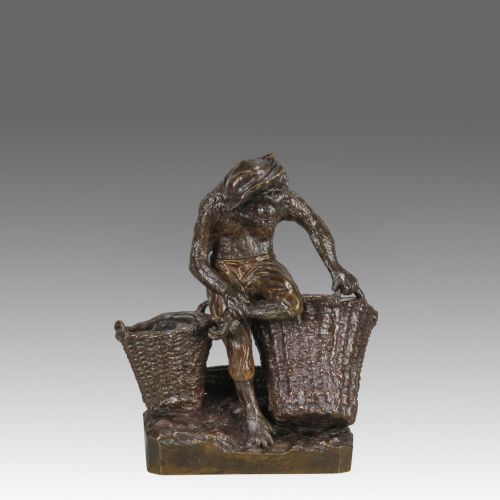
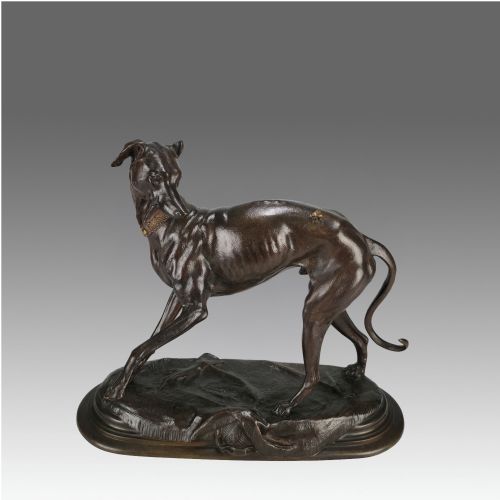
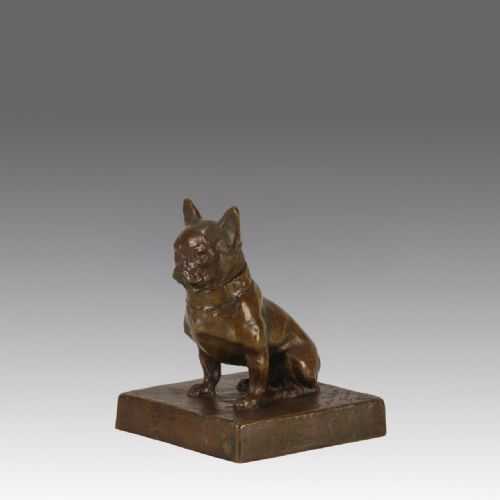
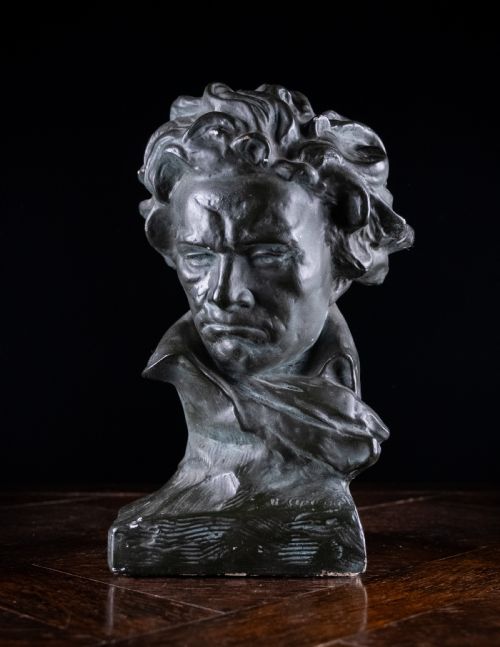
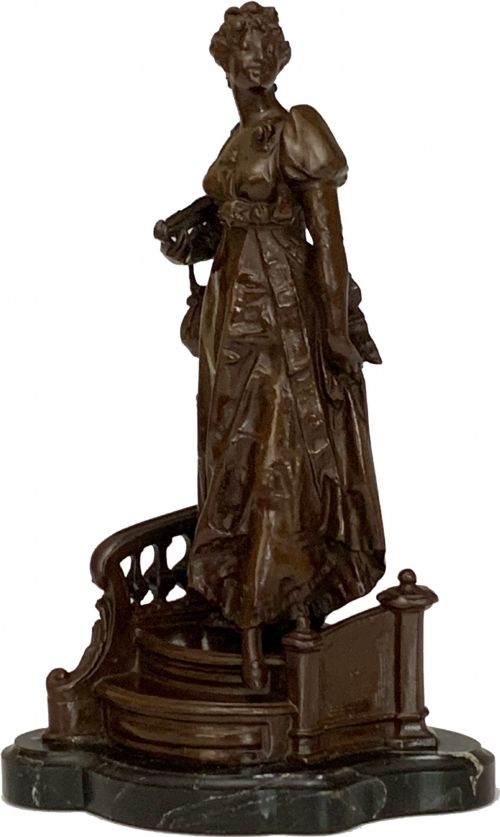


Cast Bronze Desk Statue
A cast bronze desk statue brings centuries of sculptural craft and character to a working space, offering tactile weight and historic detail.
Cast Bronze Desk Statue
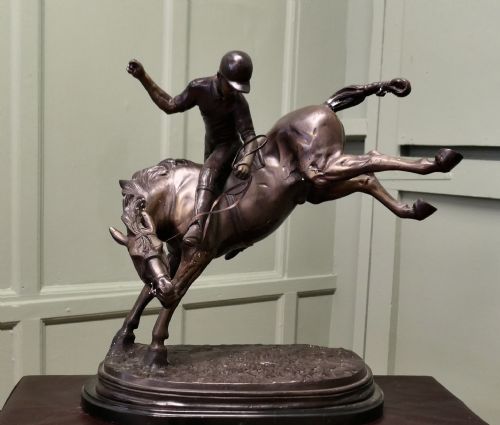
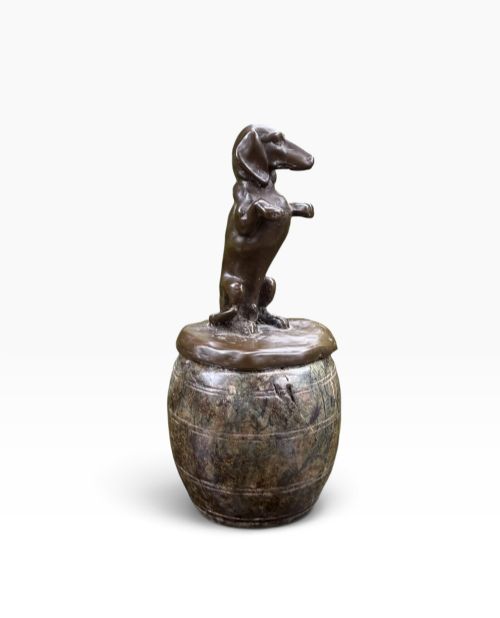
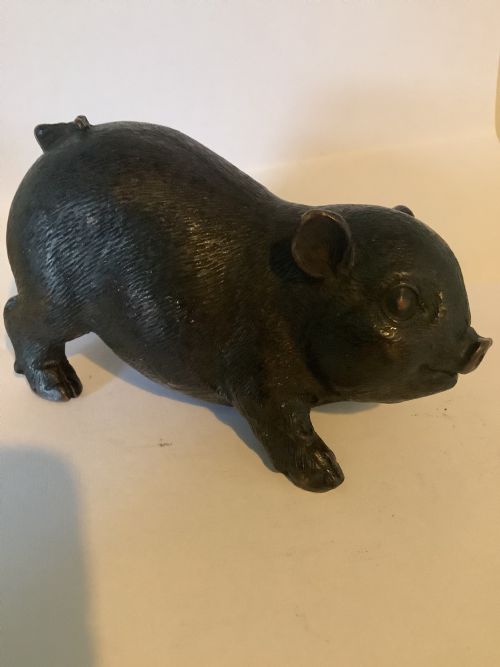
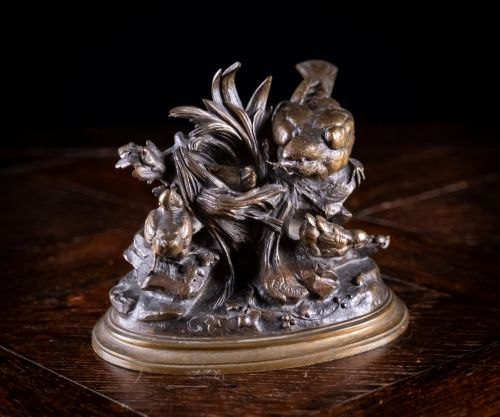
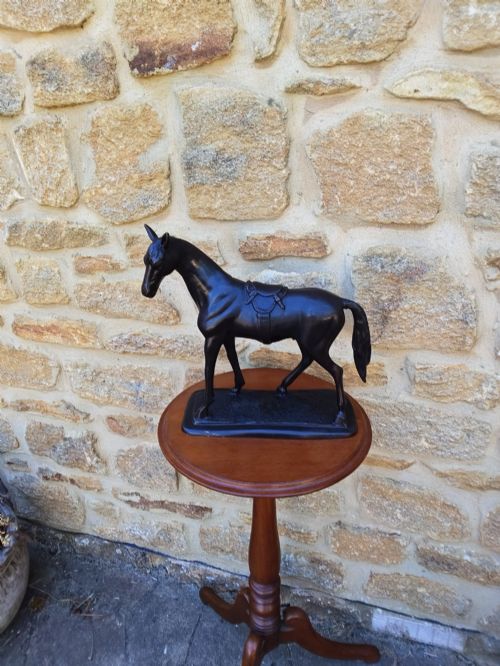
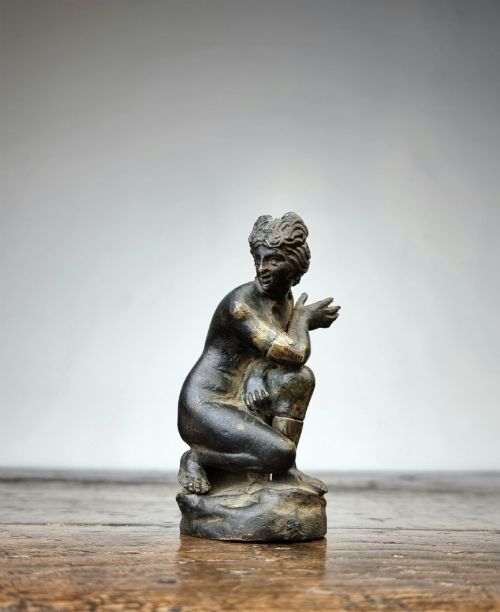
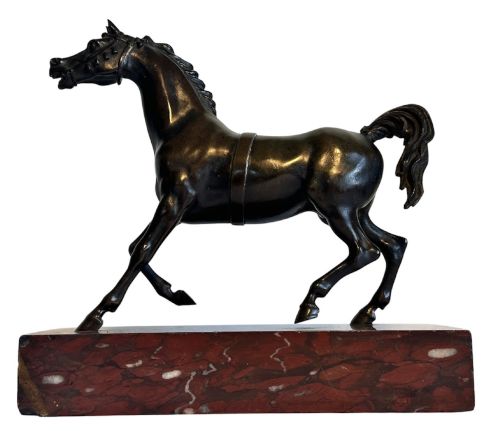
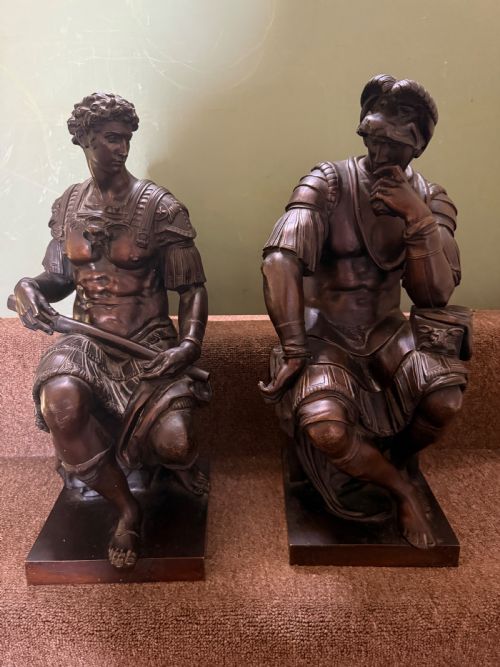
A cast bronze desk statue typically takes the form of a small figurine, animal study, or classical reduction intended for desktop or cabinet placement. Buyers seeking a cast bronze desk statue will encounter subjects ranging from Victorian animalier dogs and horses to Neoclassical Grand Tour figures and Art Deco studies.
The selections span the nineteenth and early twentieth centuries, drawing heavily upon French animalier traditions, Austrian cold-painted novelties, and Italian souvenir castings. These pieces served practical functions as paperweights and desk tidies or remained purely decorative companions to inkwells and blotters.
Markers of Quality
Quality rests upon the crispness of the chase work and the fidelity of the casting to the original model, distinguishing superior workshop output from loose, commercial reproductions. A well-modelled animal study exhibits accurate anatomical tension and expressive posture rather than static stiffness.
The depth and subtlety of the patination process dictate visual richness, where nuanced chemical colouration outperforms flat, uniform lacquer. Heavier metal gauge and secure mounting to integral or secondary stone bases further separate master foundry output from lighter utilitarian items.
Several small dogs are caught mid-stretch, forever guarding loose change and paperclips upon nineteenth-century desks.
Louis Emile Cana·Christophe Fratin·Alfred Barye·Dora Heber·Georges Van Der Straeten·Isadore Bonheur·Antoine Louis Barye·Edith Parsons·Philip Blacker·Arthur Waagen·Jennings Brothers·Elizabeth Anna Clapp
The Cast Bronze Desk Statue Glossary
- Animalier
- A nineteenth-century artistic movement focused on the realistic depiction of animals, particularly in motion or repose. Sculptors in this style studied live subjects closely at zoological gardens.
- Cold-painted bronze
- A technique where paint is applied to a bronze object after casting without subsequent high-temperature firing. This method is particularly associated with Austrian workshops producing vivid small figures and desk tidies.
- Grand Tour
- A traditional trip through Europe undertaken by upper-class scholars and collectors during the eighteenth and nineteenth centuries. Souvenirs included small bronze reductions of classical antiquities and Renaissance masterpieces.
- Lost-wax casting
- A metalworking process where a molten metal is poured into a mould that has been created by means of a wax model. The wax is melted and drained away, allowing complex sculptural shapes to be cast accurately.
- Patina
- A thin layer that naturally or artificially forms on the surface of bronze through oxidation and chemical treatment. It alters the surface colour and protects the underlying metal from further corrosion.
Cast Bronze Desk Statue: Frequently Asked Questions
What is a cold painted bronze?
A cold painted bronze is a metal sculpture decorated with unfired paint layers applied directly to the cast surface. This technique allows for vibrant polychrome detailing on small figures and desk accessories.
Such pieces require careful handling to preserve the delicate paintwork from moisture and abrasion over time. Collectors value the surviving pigment as a primary indicator of original condition.
How do I clean an antique bronze?
Cleaning antique bronze involves gently dusting the surface with a soft brush or cloth to remove accumulated particles. Avoid harsh chemical cleaners or abrasive polishes that can strip away the historic patina.
An occasional application of microcrystalline wax helps protect the metal from atmospheric corrosion. Professional conservation is recommended for pieces showing active surface degradation.
Where were Grand Tour bronzes made?
Grand Tour bronzes were predominantly cast in Italian workshops located in Rome, Florence, and Naples during the nineteenth century. Local foundries produced reduced-scale copies of famous public monuments and museum sculptures for travelling collectors.
These souvenirs allowed Victorian buyers to bring classical art and architecture directly into their studies and libraries. The craftsmanship varied from simple tourist trinkets to finely detailed works of art.
How can I date a cast bronze?
Dating a cast bronze relies on examining the casting technique, the style of the base, and the characteristics of the surface patina. Earlier nineteenth-century works often feature hand-chased details and heavy foundational bases made of marble or slate.
Maker marks, foundry stamps, and signatures inscribed into the metal provide further chronological clues. Comparing the anatomy and subject matter to established artistic movements helps narrow down the decade of creation.