

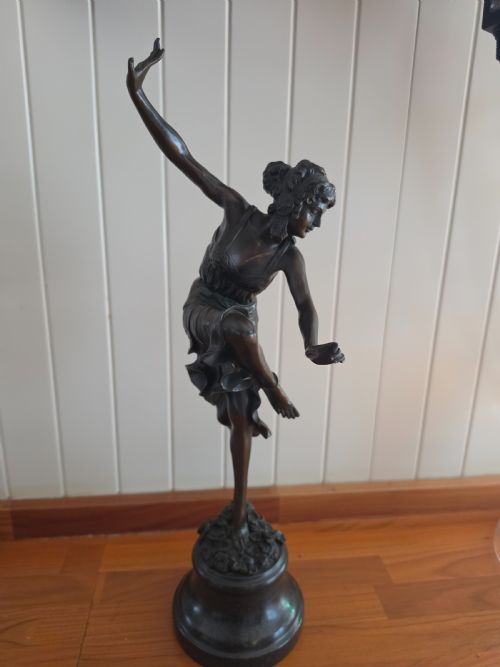
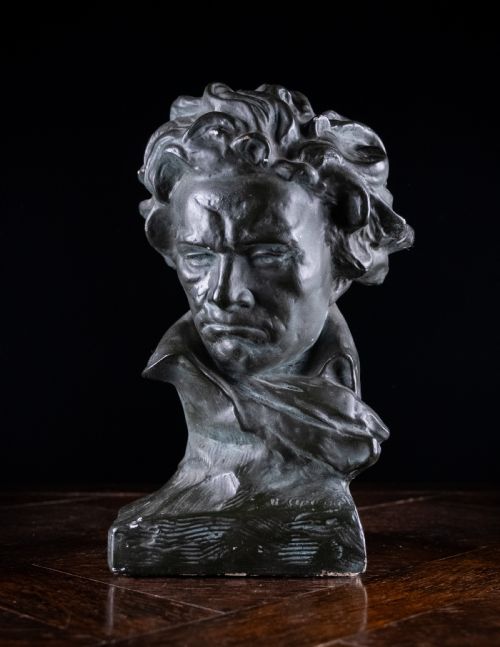


Cast Bronze Classical Figure
When you search for a cast bronze classical figure, you enter a world of foundry art spanning centuries of mythological and historical study.
Cast Bronze Classical Figure
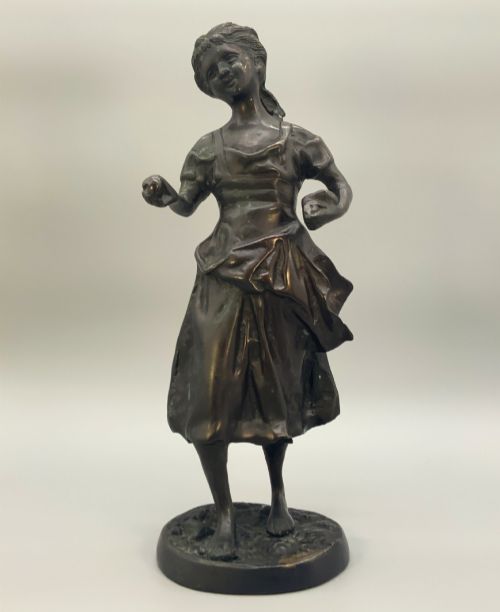
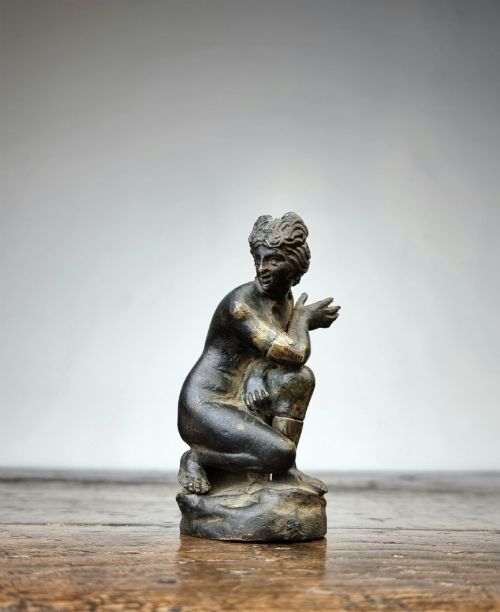
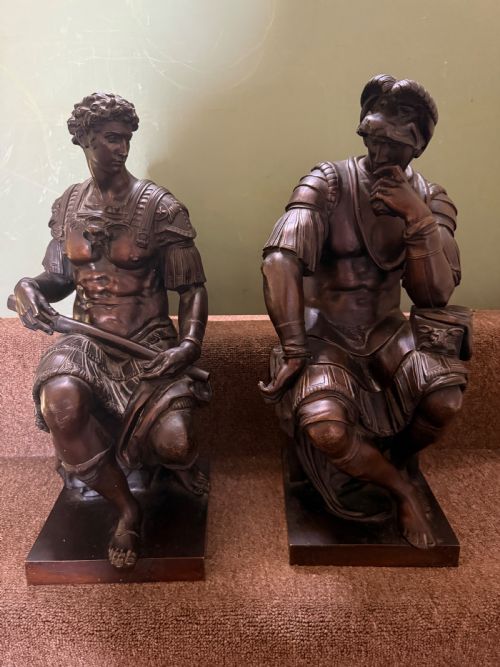
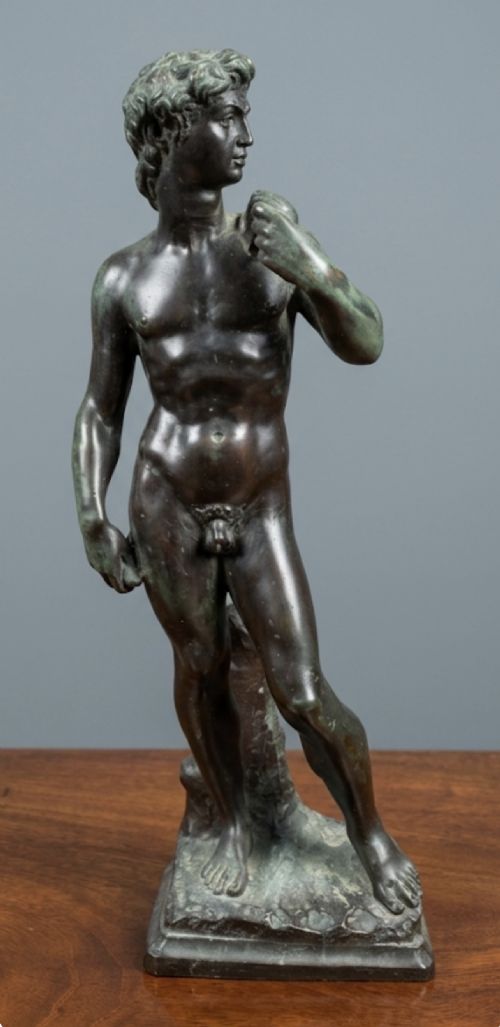
A cast bronze classical figure brings mythological deities, historical rulers and allegorical subjects into domestic interiors through sculptural reduction. When looking for a cast bronze classical figure on this page, you encounter works ranging from Grand Tour souvenirs of Italian antiquities to French foundry productions of the nineteenth century.
The forms extend from small statuettes and bookends to large floor-standing sculptures, table lamps and wall plaques. Subjects span ancient deities like Venus and Bacchus alongside Renaissance heroes and literary figures cast in enduring metal.
Originating predominantly from French and Italian workshops, these pieces bridge antiquity and modern decorative arts. They function as both scholarly references and ornamental focal points within a room.
How they were made
The primary material is copper alloy, typically referred to as bronze, shaped through traditional casting methods such as the lost-wax technique. Foundries often applied chemical patination to create dark brown, green or gilded surface finishes on the metal.
Many figures incorporate marble bases, adding structural stability and visual contrast to the dark metalwork. Supporting materials such as brass, paint and plaster appear in related desk ornaments, busts and lamps.
Materials documented across the inventory include patinated bronze, gilt bronze, marble, spelter, brass and painted plaster.
What varies in quality
Quality separates in the crispness of the chasing and the depth of the metalwork detail. Superior examples retain sharp musculature, legible inscriptions and refined facial expressions without softening from worn moulds.
The sophistication of the patination and the quality of the marble mounting distinguish finer foundry work from utilitarian production. Heavier casting weight and careful finishing of hidden undersides indicate superior workshop standards.
Moreau Family·L and F Moreau·C J R Colinet·Georges Charles Coudray·A Mercie·Emile Louis Picault·Barbedienne·K and O·Giambologna·Justo de Gandarias·Zoffoli·Cellini·Mathurin Moreau·Raoul Francois Larche·Antoine Bofill·Auguste Moreau·James Pradier·Delafontaine·Jean Jacques Pradier·Victor Paillard
The Cast Bronze Classical Figure Glossary
- Grand Tour
- A traditional trip through Europe undertaken by upper-class Europeans to study classical art and architecture. Souvenirs purchased on these journeys included small bronze reductions of famous antiquities.
- Lost-wax casting
- A metalworking process where a molten metal is poured into a mould that has been created by means of a wax model. This method allows for intricate undercut details and delicate forms.
- Patination
- The process of treating a metal surface with chemicals and heat to produce a specific colour or weathered finish. This layer protects the bronze and defines its visual tone.
- Chasing
- The manual finishing of a raw casting using hammers and punches to refine details and remove foundry seams. Fine chasing distinguishes high-grade sculptural editions from mass production.
- Neoclassical
- A Western cultural movement drawing inspiration from the art and culture of classical antiquity. It prioritised clean lines, heroic subjects and formal restraint.
Cast Bronze Classical Figure: Frequently Asked Questions
What is a Grand Tour bronze?
A Grand Tour bronze is a nineteenth-century souvenir cast in Italy or France, reproducing famous classical sculptures seen by travellers abroad.
These pieces allowed collectors to bring museum masterpieces into private libraries and drawing rooms.
How do I care for antique bronze?
Antique bronze requires gentle dusting with a soft, dry cloth to protect the original patination from moisture and oils.
Avoid commercial polishes or abrasive cleaners, which can strip the chemical finish and damage the metal.
Are all these figures solid bronze?
Many figures are hollow-cast to reduce weight and metal usage, while smaller statuettes and bookends may use denser alloy casting.
Some related decorative items utilise spelter or painted plaster paired with metal components rather than pure bronze.
Why do some figures have marble bases?
Marble bases provide structural elevation and weight distribution, preventing slender figures from tipping over.
They also offer a refined architectural platform that complements the dark patination of the metalwork.