


Cast Bronze Candlesticks Pair
Cast bronze candlesticks pair options bring sculptural weight and period warmth to a table, uniting domestic utility with enduring metalwork.
Cast Bronze Candlesticks Pair
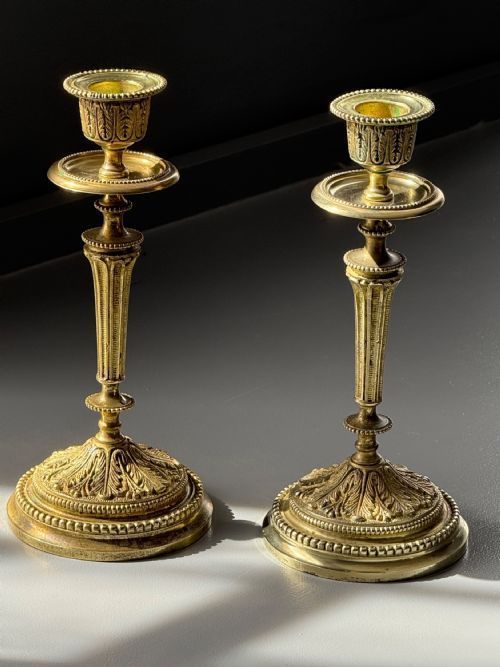
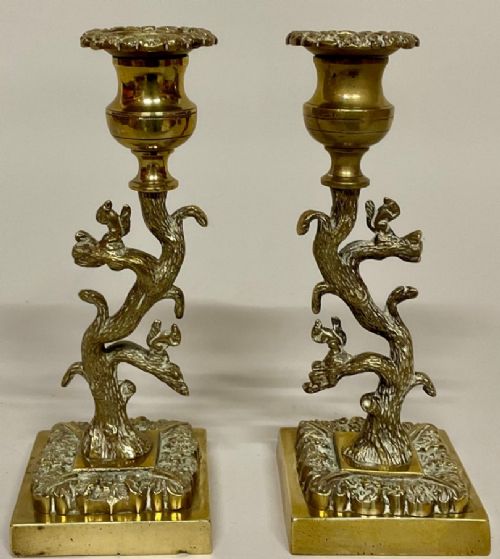
A cast bronze candlesticks pair delivers symmetry and period character, drawing on designs that span from the eighteenth century through the early twentieth century. Buyers seeking this search phrase encounter forms ranging from classical campana sconces and Athenienne columns to figurative interpretations like mermans, medieval characters, and Venetian figures.
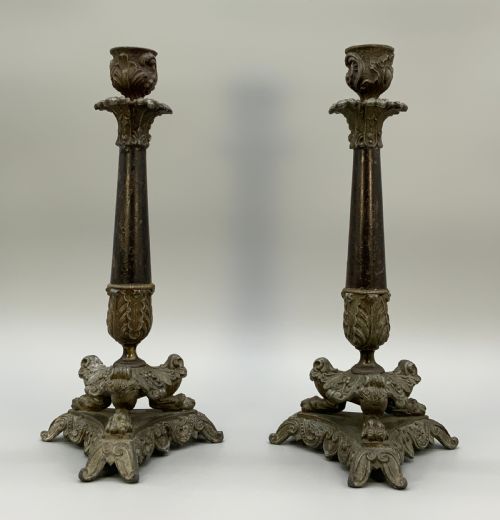
The materials and finishes recorded in these listings extend beyond plain bronze to include gilt bronze, ormolu, brass, silvered bronze, and bronze-patinated spelter or cast iron. Stylistic influences appear in Louis XVI, French Empire, Regency, Gothic Revival, and Victorian tastes, reflecting diverse European design traditions.
While traditional candlesticks dominate, variations include twin-arm candelabra, pricket formats, and examples later adapted into table lamps or lamp bases. This variety allows collectors to select pieces aligned with specific historical revivals and interior lighting requirements.
Materials and construction methods
Foundries utilised traditional metal-casting techniques to shape molten bronze, brass, or iron into complex sculptural forms and decorative bases. Subsequent chasing and finishing sharpened surface details such as foliage, drapery, and architectural motifs.
Surface treatments define much of the visual character in these pairs, employing applied gilding, ormolu highlights, silvering, or dark patination to simulate age and enhance relief. Structural components like square bases and campana sconces were often cast in separate sections before being assembled.
Listings feature nineteen-century Victorian pieces alongside eighteenth-century examples.
Assessing quality in cast metal pairs
Quality rests primarily on the crispness of the casting and the sensitivity of the finishing work, where sharply rendered details distinguish superior examples from softer, commercial production. Heavier weight and substantial metal thickness indicate better foundational construction.
The integrity and preservation of the original surface finish, whether fire gilding, applied patination, or ormolu, play a major role in the overall merit of a pair. Consistency between both items in a matching set demonstrates unified manufacture rather than assembled pairings.
Ferdinand Barbedienne
The Cast Bronze Candlesticks Pair Glossary
- Campana sconce
- A flared, bell-shaped socket designed to hold a candle or catch wax, frequently seen in classical revival designs.
- Ormolu
- Ground metallic gold applied to a bronze base through a mercury amalgamation process, creating a rich golden surface.
- Pricket
- A sharp metal spike set in the centre of a drip pan to secure a candle, common in ecclesiastical or early styles.
- Spelter
- A zinc alloy used as a less costly alternative to bronze, often given a bronze patination to mimic heavier metal.
- Athenienne
- A classical tripod stand or pedestal form adapted from antique furniture discoveries during the late eighteenth century.
Cast Bronze Candlesticks Pair: Frequently Asked Questions
How do I date cast bronze candlesticks?
Dating relies on stylistic clues, mounting techniques, and the character of the metal patination. Comparing the decorative motifs to known periods like Regency or Louis XVI helps narrow the timeframe.
Examining how base components fit together offers additional insight into manufacturing methods specific to nineteenth-century foundries.
Are converted lamp bases worth collecting?
Many pairs were adapted into table lamps during later decades to suit modern domestic lighting needs. These conversions preserve the decorative appeal of the original metalwork.
Collectors often weigh whether the wiring intervention alters the underlying antique structure or retains the integrity of the piece.
What distinguishes bronze from spelter pairs?
Bronze offers greater weight, durability, and a warm metallic grain that accepts patination deeply. Spelter feels lighter and can exhibit a more brittle texture beneath the surface finish.
Recognising the difference involves checking the underside or areas of wear for the underlying grey-white metal tone typical of zinc alloys.
How should I clean antique bronze candlesticks?
Maintenance requires only gentle dusting with a soft, dry cloth to prevent the accumulation of grit. Strong commercial polishes must be avoided because they strip historic patination.
Preserving the original surface skin maintains both the aesthetic character and the historical honesty of the metal.