


Louis XVI Ormolu Candlesticks
Louis xvi ormolu candlesticks bring neoclassical restraint and golden warmth to a mantelpiece, combining refined French design with heavy cast bronze.
Louis XVI Ormolu Candlesticks
When you search for louis xvi ormolu candlesticks, you are looking at pairs of decorative lighting supports rooted in eighteenth-century French design. The pieces available range from eighteenth-century originals to nineteenth-century revivals created in the eighteen-eighties and eighteen-nineties. You will frequently encounter related forms such as candelabra and table lamps alongside standard candlesticks.
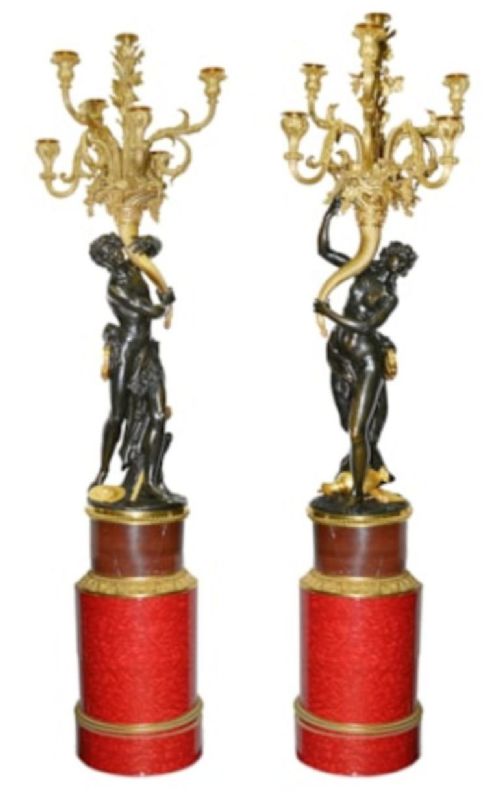
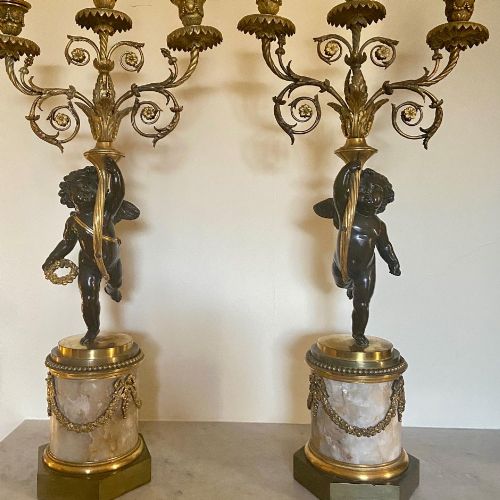
The aesthetic draws heavily on neoclassical style and French Empire influences, often incorporating cherubs, putti, and winged figures. Materials extend beyond standard metals to include white marble, patinated bronze, and occasionally fluorspar. These items reflect enduring Parisian taste adapted for formal interiors across multiple centuries.
How they were made
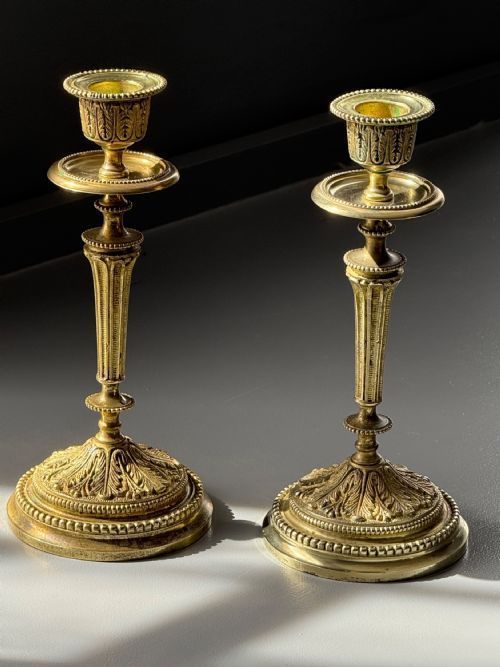
The manufacture of these pieces relies on metal-casting techniques using bronze and gilt bronze, commonly known as ormolu. Artisans applied a fine layer of gold amalgam to the bronze surface to achieve a lasting golden sheen. Many examples combine this metallic finish with carved marble bases or contrasting patinated bronze elements.
Makers utilised detailed chasing and sculpting to define figures like cherubs and classical ornamentation. Some nineteenth-century examples follow models by known designers, demonstrating high standards of decorative foundry work.
Several pairs feature cheerful winged putti and cherubs perched among the candle arms, keeping watch over the dining table.
What varies in quality
The standard of chasing across the cast bronze figures creates a clear distinction between ordinary production and superior work. Crisp facial expressions on cherubs and sharply defined acanthus leaves indicate skilled hand-finishing by the bronzier. Softer, shallower details suggest a more hurried casting process.
The integration of mixed materials also influences the character of the object. High-grade white marble bases and rich, unrubbed ormolu surfaces retain their visual balance better than poorly matched components or heavily polished metal.
Francois Redmond·Jean-Démosthène Dugourc·Claude Clodion
The Louis XVI Ormolu Candlesticks Glossary
- Ormolu
- Gilded bronze, produced by applying a mercury-gilding mixture to cast bronze. This technique creates a rich golden finish characteristic of decorative French metalwork from the eighteenth and nineteenth centuries.
- Neoclassical
- A style inspired by the classical art and architecture of ancient Greece and Rome. It emphasises symmetry, straight lines, and classical motifs such as urns and swags.
- Patinated bronze
- Bronze that has been chemically treated to alter its surface colour, often resulting in a dark brown or greenish tone. This treatment provides contrast against the bright finish of ormolu.
- Candelabra
- A branched candlestick designed to hold multiple candles simultaneously. Many examples feature arms radiating from a central stem, often supported by figural bases.
- Fluorspar
- A colourful mineral occasionally used in decorative arts for bases or ornamental panels. It adds unique natural veining and varied hues to metalwork objects.
Louis XVI Ormolu Candlesticks: Frequently Asked Questions
Are these candlesticks wired for electricity?
Many examples listed have been converted into table lamps or fitted for electrical use over time. This adaptation was common during the twentieth century to suit modern domestic lighting needs.
Buyers should inspect the wiring and fittings closely to determine if the conversion was done professionally or if it can be reversed without altering the original bronze structure.
How do I distinguish eighteenth-century pieces from nineteenth-century copies?
Distinguishing between original eighteenth-century items and nineteenth-century revivals requires examining the crispness of the chasing and the wear patterns on the ormolu. Nineteenth-century interpretations often display heavier casting and slightly different patination techniques.
Reference to specific designers in the casting models can also point toward revival periods, particularly from the eighteen-eighties onward.
How should I clean ormolu and bronze?
Ormolu requires gentle dusting with a soft, dry cloth to prevent accumulation of dirt in the recesses of the casting. Avoid abrasive cleaners, polishes, or chemical dips that can strip the delicate gold layer from the bronze underneath.
Professional conservation advice should be sought if the metal shows signs of corrosion or heavy tarnishing.
Can I use these with standard dining candles?
Candlesticks are designed to hold specific taper widths, which may differ from modern standard candles. Checking the socket diameter ensures a secure fit and prevents wax from spilling onto the gilt surface.
Inserts or drippers are sometimes utilised to protect the metal from dripping wax during use.