


Cast Brass Vessel
A cast brass vessel brings heft, age and utility to a room, ranging from utilitarian mortars to ritual censers.
Cast Brass Vessel
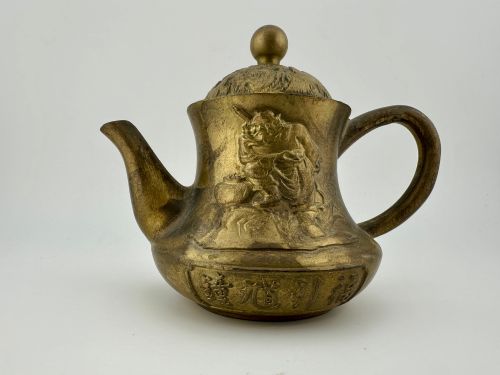
When you search for a cast brass vessel, you encounter a varied group of utilitarian and decorative objects spanning multiple centuries and continents. The selection includes apothecary mortars and pestles, ritual incense burners, jardinieres, vases, ewers, and measures.
You are most likely to meet pieces originating from English, Chinese, French, and Dutch workshops, dating from the seventeenth century through to the early twentieth century. These items take heavy, solid forms designed originally for the dispensary, the scholar's studio, or the grand interior.
The objects combine practical weight with distinct stylistic revivals, taking shapes from Neoclassical, Gothic, Renaissance, and Qing Dynasty traditions. Each form reflects the specific domestic, ceremonial, or scientific needs of its period.
How they were made
Makers produced these objects primarily through traditional casting techniques in brass and bronze, pouring molten metal into moulds to create thick, rigid walls. Artisans then finished many pieces by hand, adding chased details, piercings, or embossed patterns such as dinanderie work.
Forming heavy vessels like mortars, tripods, and ewers required robust foundry methods to handle the dense metal alloys. Makers often incorporated handles, figural elements, and maker or studio marks directly into the cast or applied them subsequently.
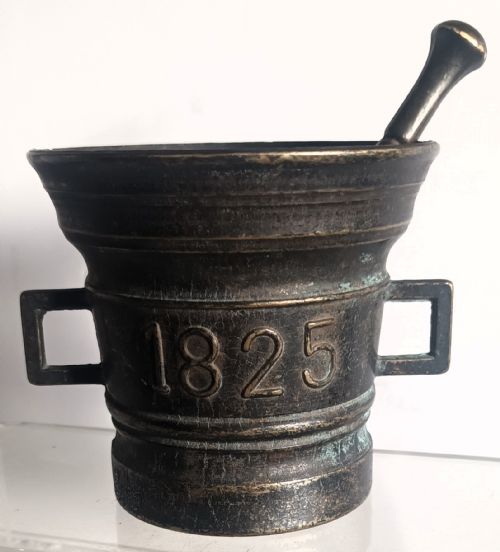
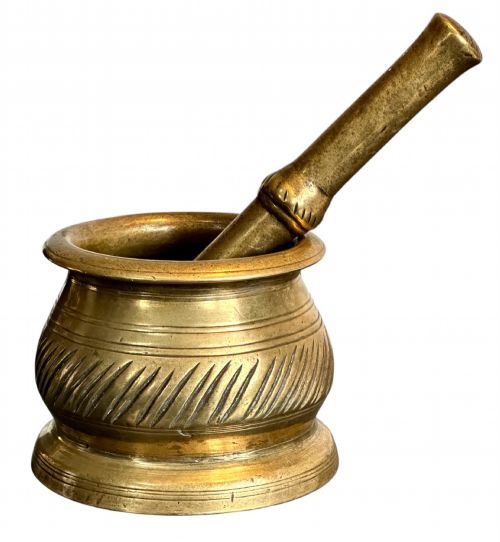
One mortar arrives paired with an unusual pestle that looks entirely ready to brew midnight remedies.
What varies in quality
Quality rests in the crispness of the cast detail, the thickness and distribution of the metal, and the integrity of the original surface. Superior examples display sharply rendered decoration, whether dragon motifs, figural handles, or Tudor rose emblems, without smoothing from excessive cleaning.
Proportion and weight also divide standard utility items from finer works, as seen in the heavy gauge of early tripod censers and large ceremonial pots. The presence of clear foundry, scholar, or maker marks adds documentary value to the physical execution.
The Cast Brass Vessel Glossary
- Censer
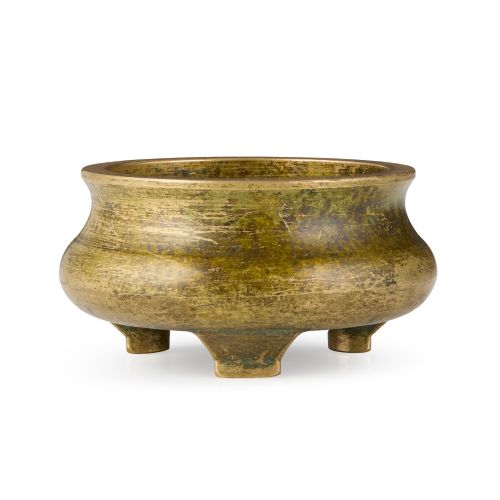
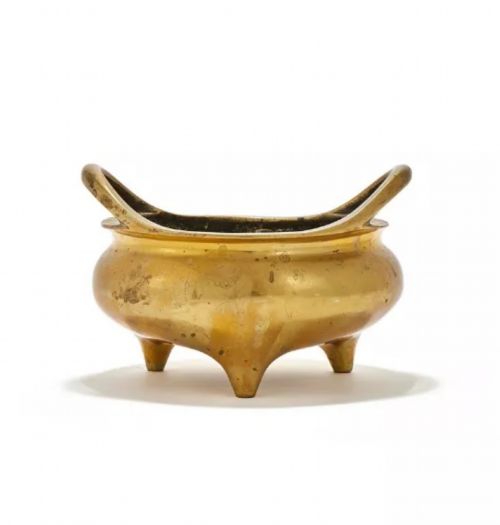
- An incense burner, typically tripoded in these listings, designed for ritual or scholar's desk use. They often carry longevity or studio marks.
- Mortar and pestle
- A heavy bowl and club set used for grinding materials, frequently found in English, Dutch, and apothecary contexts. The mortars demonstrate thick cast walls.
- Jardiniere
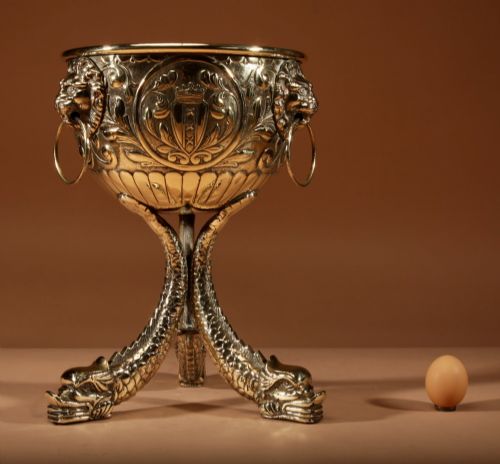
- A decorative pot or planter intended to hold plants or flowers, sometimes featuring pierced brass or embossed dinanderie decoration. They appear in nineteenth and early twentieth-century forms.
- Dinanderie
- A term for European brass or bronze wares produced by beating and casting, often featuring embossed patterns. The technique links medieval traditions to later revival pieces.
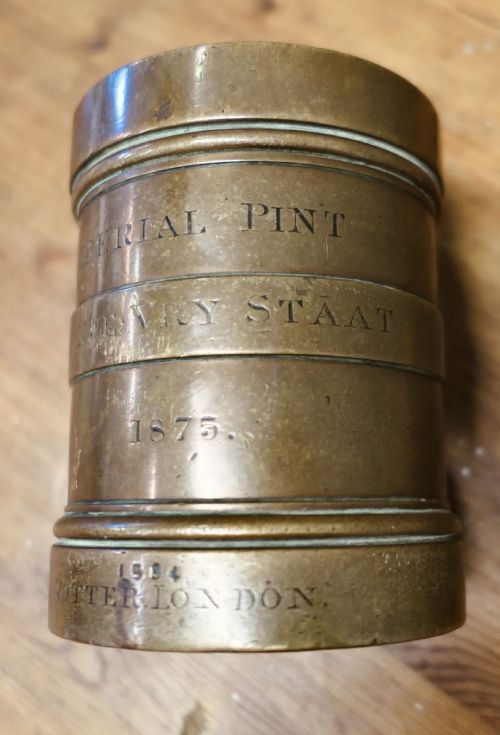
- Imperial Pint Measure
- A standardised British liquid capacity vessel, cast in heavy metal for official trade use. These utilitarian pieces bear maker stamps from inspectors or founders.
Cast Brass Vessel: Frequently Asked Questions
What were brass mortars used for?
These heavy vessels served primarily in apothecaries and households for crushing herbs, chemicals, and ingredients with a matching pestle. Their thick cast walls prevented cracking under heavy repetitive impact.
Over time, many transitioned into decorative domestic objects valued for their solid weight and aged metal surfaces.
How do I date an old brass vessel?
Dating relies on stylistic clues, casting methods, and any visible maker, studio, or imperial marks on the metal. Comparing the form against known Neoclassical, Gothic, or Qing Dynasty traditions helps narrow the period.
Physical characteristics like tool marks, wear patterns, and alloy composition further support the estimated century of manufacture.
Are bronze and brass terms interchangeable here?
Historical cataloguing often groups copper-alloy artefacts under both terms depending on the specific metal content and regional terminology. Both metals yield the heavy, durable castings seen across these listings.
Examining the underlying colour and patina helps distinguish the exact metal composition of individual pieces.
How do I clean antique brass?
Most collectors prefer to leave the accumulated dark patina and natural oxidation intact, as scrubbing removes evidence of age. Gentle dusting with a dry cloth keeps the surface stable.
Harsh chemical polishes strip away historical character and reduce the visual depth built up over centuries.