


Victorian Brass Vases
Victorian brass vases bring nineteenth-century metalwork into a room, offering warm metallic tones and ornate cast detail.
Victorian Brass Vases
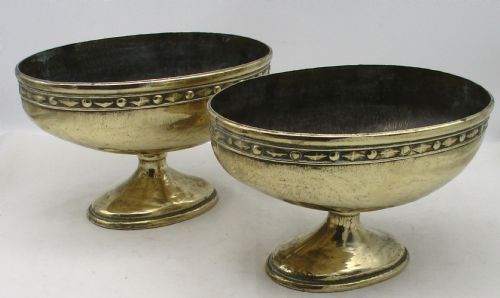
When you search for victorian brass vases, you encounter nineteenth-century metal vessels created for display or domestic utility during the period. These objects encompass items such as church vessels, wall pockets, and handled trophy vessels shaped by nineteenth-century metalworkers.
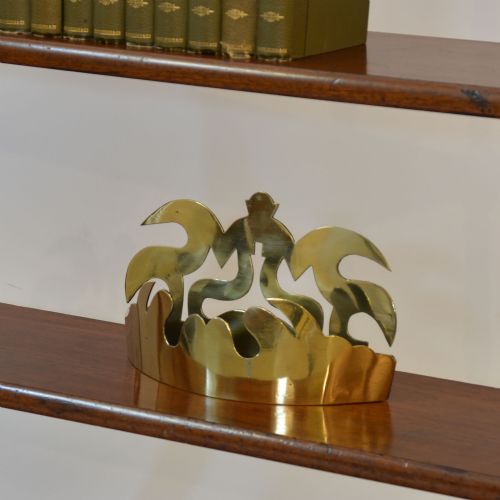
The selections span various stylistic influences, including Gothic, Rococo Revival, and classical interpretations of form. Many examples display pierced metalwork or cast ornamentation typical of nineteenth-century production.
Materials and construction methods
The pieces rely primarily on brass, copper, and bronze, sometimes paired with enamel, porcelain, or crystal elements. Metalworkers utilised casting, piercing, and chasing techniques to achieve intricate surface patterns and structural stability.
Surface treatment ranges from polished finishes to deeply hand-carved and chased decoration executed by skilled artisans.
Boot-shaped fireside ornaments double as whimsical spill vases for nineteenth-century hearths.
Assessing quality in metalwork
Quality rests upon the crispness of the cast ornamentation and the depth of hand-chased surface details. Pieces exhibiting refined piercing work and substantial metal gauge stand apart from simpler commercial output.
The integration of secondary materials, such as enamel work or applied mounts, dictates the sophistication of the finished vessel.
The Victorian Brass Vases Glossary
- Chased
- Metalwork decorated by hammering or pressing tools directly onto the surface to create low-relief patterns. This technique adds texture and definition to brass and bronze designs.
- Pierced
- Metal pierced right through to form openwork patterns, often seen in nineteenth-century decorative vessels. It lightens the visual weight of heavy brass or bronze objects.
- Garniture
- A set of ornamental vases or vessels designed to be displayed together on a mantelpiece or sideboard. These matched sets often include central urns flanked by smaller matching pieces.
- Jardiniere
- An ornamental pot or stand intended for holding plants or flowers within a domestic interior. They appear in copper, brass, and ceramic materials.
Victorian Brass Vases: Frequently Asked Questions
How do I clean antique brass?
Maintenance requires gentle dusting and occasional cleaning with appropriate non-abrasive metal cleaners to preserve the historic patina.
Avoid harsh chemical dips that strip away the aged surface character accumulated over the centuries.
Were these vases used for flowers?
Many vessels served as decorative ornaments or garniture sets rather than functional water holders.
Some examples include liners or inserts intended to accommodate fresh stems without damaging the interior metal.
How do I date a brass vase?
Dating relies on stylistic clues, manufacturing marks, and construction techniques typical of nineteenth-century workshops.
Cast seams, tool marks, and specific revival styles help narrow down the period of creation.
Can these vases be converted into lamps?
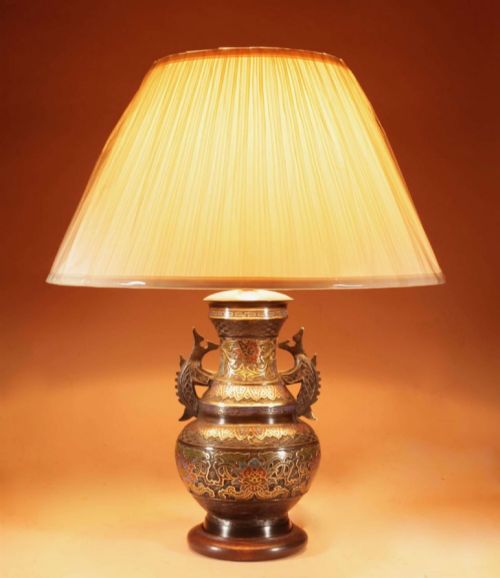
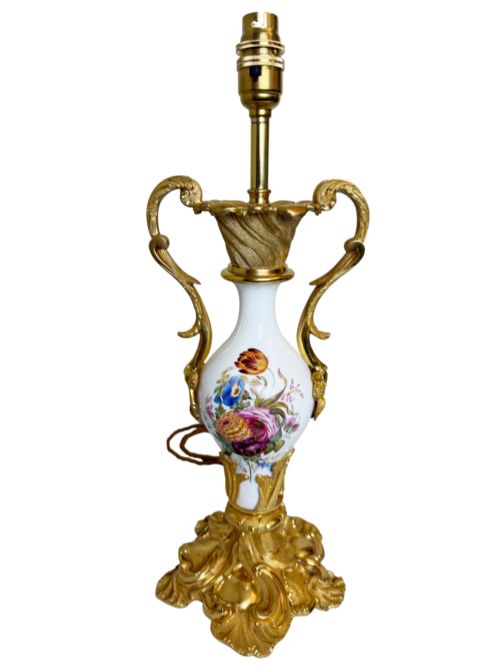
Numerous antique vessels are adapted into table lamps while retaining their original brass bodies.
Such conversions often incorporate wiring through the base or interior without altering the primary exterior metalwork.