





Late Victorian Brassware
Late victorian brassware brings enduring metalwork into the home, offering functional and decorative pieces that catch the light.
Late Victorian Brassware
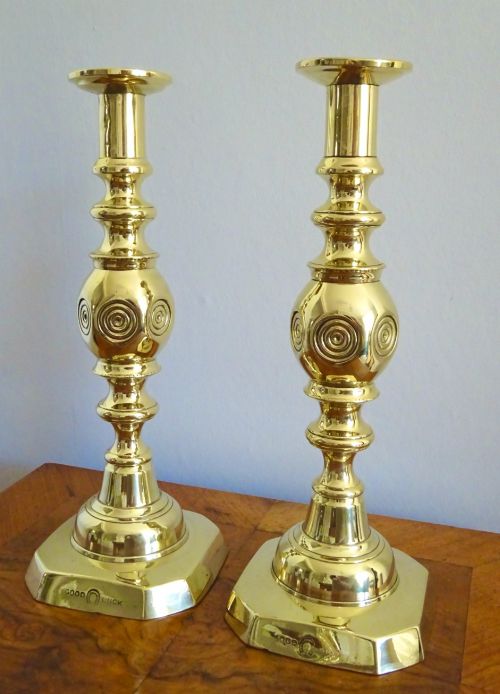
Late victorian brassware encompasses household objects produced during the final decades of the nineteenth century, reflecting the tastes and domestic requirements of the period. Candlesticks form the most frequent discovery on this page, appearing in pairs alongside vases and watering cans. These pieces date across the victorian era from eighteen eighty to nineteen hundred, showing the enduring reliance on polished metal in daily life.
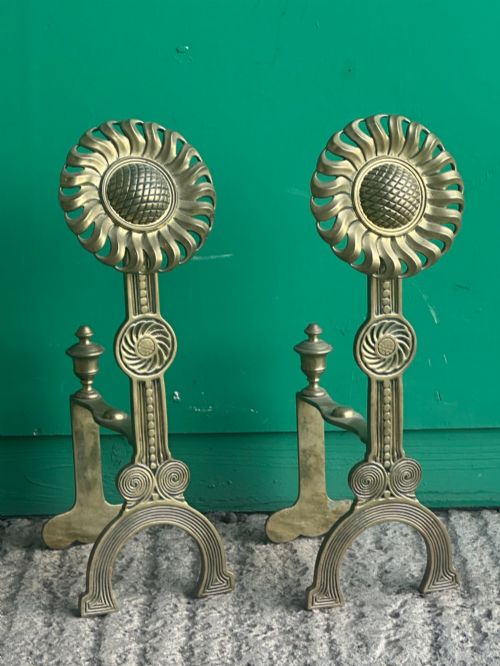
The aesthetic movement influences certain items on the page, introducing distinct artistic styling to standard brass forms. Other examples display traditional silhouettes such as beehive designs, ejector mechanisms, or pierced detailing. Everyday utility blends with decorative appeal across the selection, providing functional items that doubled as ornamental display pieces in nineteenth-century interiors.
Materials and construction
Brass serves as the sole material across these listings, providing a durable alloy that takes a bright polish or a rich patina over time. Makers utilised casting and sheet metal techniques to form candlesticks, vases, and watering cans, frequently combining components through soldering or mechanical joints.
Surface treatment varied from plain polished finishes to intricate pierced work that created patterns through the metal. Specific mechanisms such as ejector levers were integrated into candlestick stems to push up remaining candle stubs, demonstrating practical manufacturing ingenuity.
Late Victorian Brassware Retail Price Guide 2026
Typical asking prices for late victorian brassware among the pieces listed under this phrase on Sellingantiques today, from the lower quarter to the upper quarter. They describe what is for sale here now, not the wider market.
A good luck inscription on an eighteen eighty candlestick proves victorians loved a cheeky blessing while reading by candlelight.
Markers of quality
Quality in these items rests upon the crispness of the casting and the refinement of the decorative detail. Finer examples display sharp piercing and well-defined profiles, whereas simpler items rely on plain turned surfaces without ornament.
The presence of maker attribution separates standard production from notable workshop output. Pieces bearing identifiable foundry marks or specific stylistic influences from the aesthetic movement demonstrate greater design ambition than anonymous utilitarian items.
Wm Tonks & Sons·Frederick J Smith & Co
The Late Victorian Brassware Glossary
- Aesthetic Movement
- A late nineteenth-century design style that emphasised visual beauty over narrative or moral content in domestic objects.
- Ejector
- A mechanical device built into a candlestick stem with a small sliding lever to raise the candle stub for removal.
- Beehive
- A decorative turning style featuring concentric rounded rings resembling traditional skep beehives, commonly found on candlestick shafts.
- Pierced brass
- Sheet metal cut through in decorative openwork patterns to allow light or air to pass through the design.
Late Victorian Brassware: Frequently Asked Questions
What items are considered late victorian brassware?
Late victorian brassware includes domestic objects manufactured between eighteen eighty and nineteen hundred.
Candlesticks, vases, and watering cans make up the primary forms found in this category.
How do you clean antique brass?
Antique brass can be dusted with a soft cloth to maintain its surface without removing accumulated character.
Harsh chemical cleaners should be avoided to preserve the historic patina developed over the decades.
Did aesthetic movement brass look different?
Aesthetic movement brass incorporated distinctive artistic styling that set it apart from standard domestic utility wares.
These pieces reflect late nineteenth-century design reforms focused on decorative beauty.