
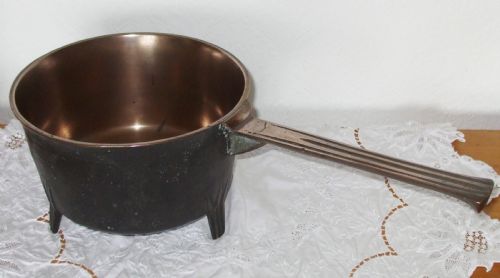


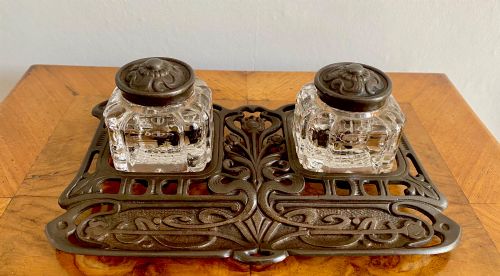


Cast Bronze Pot
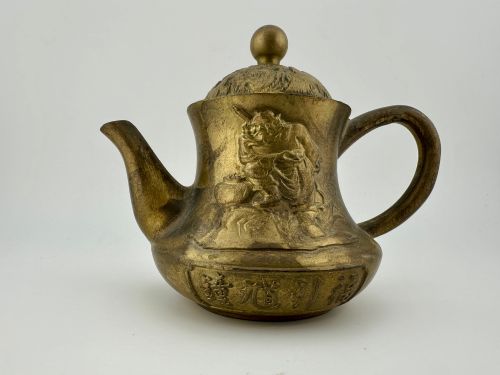
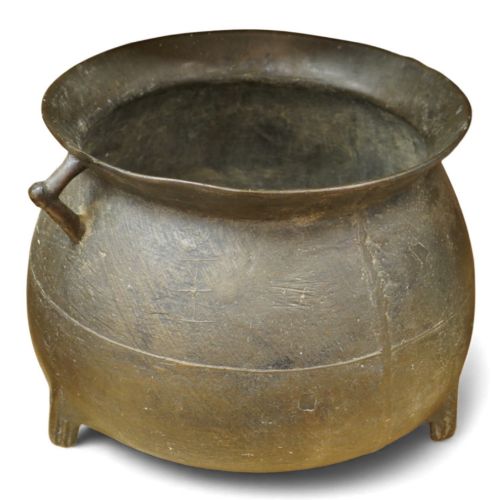
These cast bronze pot examples range from heavy 17th-century English cauldrons to ornate Japanese jardinières, offering tactile metalwork for interior display.
Cast Bronze Pot
A search for a cast bronze pot reveals a diverse group of domestic, ritual, and decorative hollow vessels originating from English, Asian, and African makers across several centuries. Buyers encounter utilitarian forms such as 17th-century leaded bronze cauldrons and Georgian posnets alongside heavy 19th-century Japanese planters and Chinese censers.
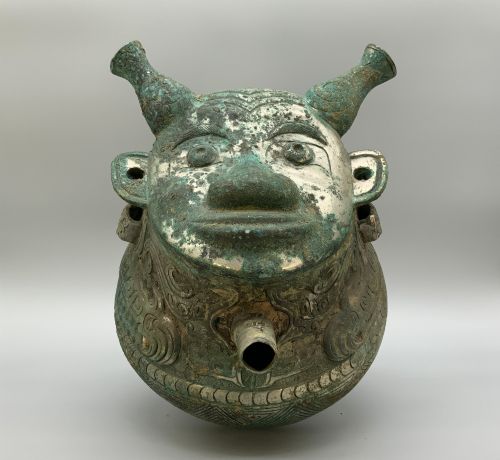
The English examples lean towards functional domestic ironmongery and apothecary equipment like mortars and skillets, while Asian pieces frequently adopt the form of decorative jardinières, vases, and ritual vessels reflecting Qing Dynasty or Meiji Period aesthetics. African tribal containers complete the range, displaying ceremonial forms cast in heavy bronze.
Materials and construction
The primary material across these listings is durable bronze, occasionally specified as leaded bronze or accompanied by a verdigris patina, alongside related metalwork in cast iron and brass. Traditional manufacturing methods include casting in moulds and the lost wax technique, resulting in substantial, heavy-walled vessels.
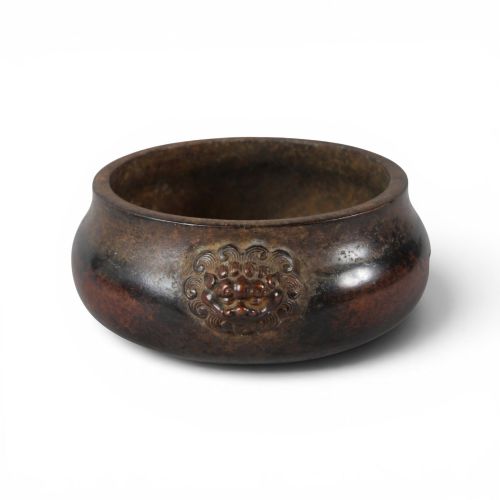
Surface detailing varies through applied elements such as cloisonné lids, enamel, and cast motifs ranging from dragon and phoenix markings to Fu lion finials. Finish techniques include original patination that highlights the texture of the cast metal.
Listings span centuries of metalwork, moving from 17th-century English leaded bronze cauldrons to Victorian Japanese jardinières.
Assessing quality in cast metal
Quality rests in the crispness of the cast decoration and the integrity of the metal wall, where finer pieces display sharply rendered motifs, balanced proportions, and substantial weight such as multi-kilogram scholar censers or large jardinières. Lesser examples show smoother, less distinct surface casting with diluted ornamental detail.
Originality of components, such as retaining matching cloisonné lids or original patination without excessive modern cleaning, separates superior survivors from altered or heavily restored vessels.
The Cast Bronze Pot Glossary
- Jardiniere
- A large decorative pot or stand designed to hold growing plants or flowers. These items often appear in bronze from the Meiji and Qing periods.
- Posnet
- A small metal pot or cooking vessel with a single handle and three feet, commonly made of bronze in the Georgian or earlier eras.
- Censer
- A vessel intended for burning incense, frequently featuring detailed lids and cast figurative ornamentation such as Fu lions.
- Leaded bronze
- An alloy of copper, tin, and lead used in early cauldron and domestic pot production to improve casting fluidity and durability.
- Verdigris patina
- A green crust or tint forming naturally on copper, brass, or bronze through atmospheric oxidation over long periods.
Cast Bronze Pot: Frequently Asked Questions
What is a bronze posnet?
A posnet is a small, three-legged cooking pot fitted with a single long handle, designed to stand directly over hot embers in a hearth.
Surviving examples from the Georgian and earlier periods demonstrate how domestic food preparation relied on durable cast metal before the widespread use of iron ranges.
How are old bronze pots cleaned?
Old bronze pots generally retain their original patination, which collectors prefer to leave undisturbed by harsh chemical polishing agents.
Gentle dusting with a soft cloth preserves the stable oxidised surface and prevents damage to the historic metal skin.
What distinguishes a jardiniere from a vase?
A jardiniere is a wide bowl or planter intended specifically to house potted plants, whereas a vase is typically deeper and narrower for cut stems.
In bronze metalware, jardinieres often feature heavy, robust walls and wide openings suitable for botanical displays.
How do I date a bronze cauldron?
Dating relies on leg and handle style, casting marks, and regional foundry characteristics, with early 17th-century English pieces showing distinct Somerset types.
Comparing the rim profile and wall thickness against documented domestic metalware helps narrow the period of production.