
Cast Brass Lighting
Cast brass lighting illuminates rooms through durable metal fixtures forged across Georgian, Victorian, and later periods.
Cast Brass Lighting
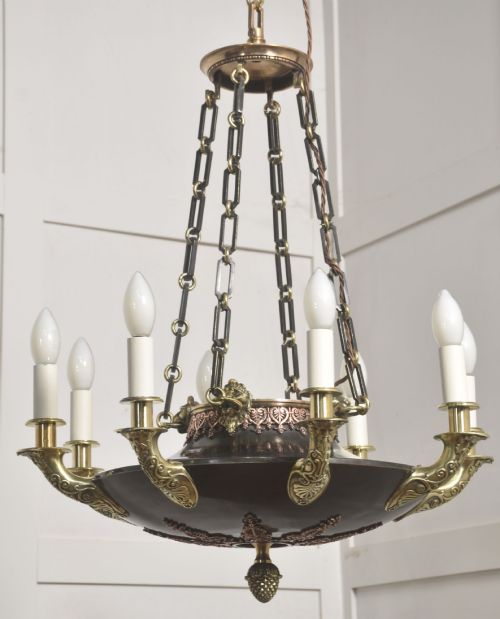
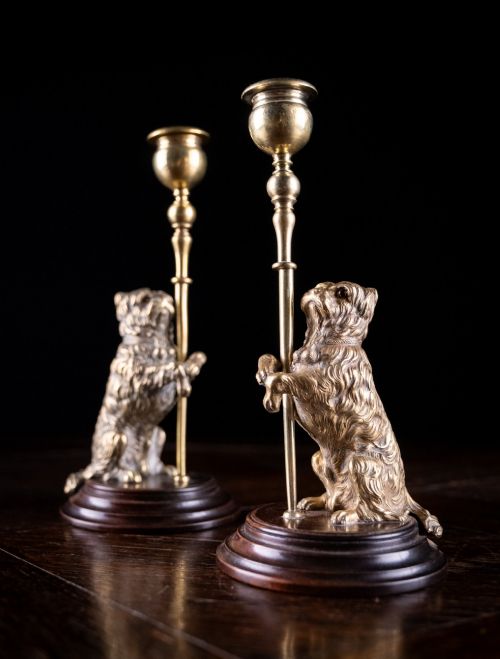
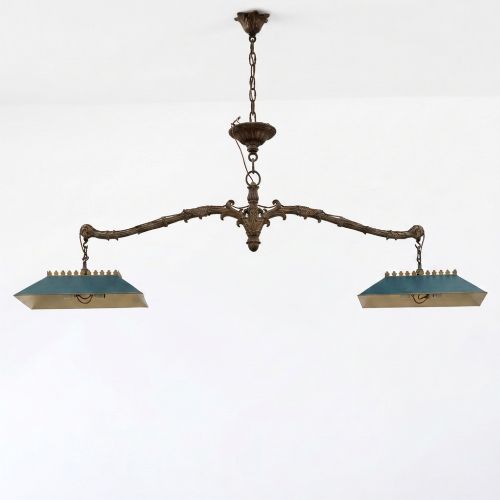
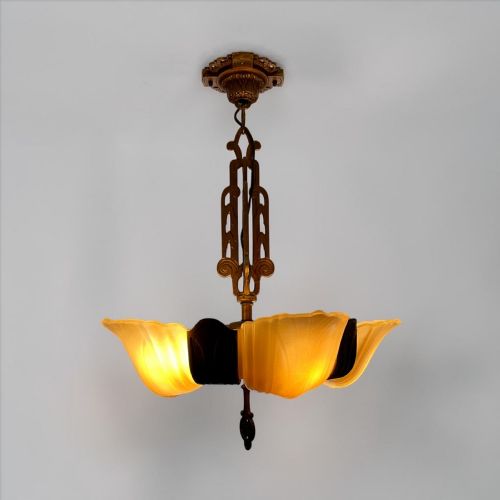
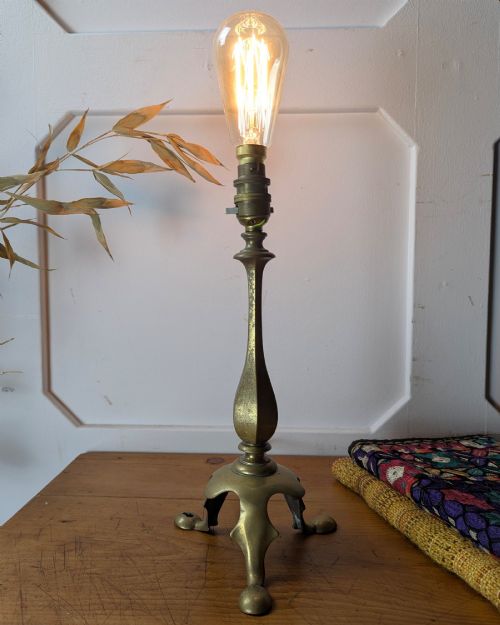
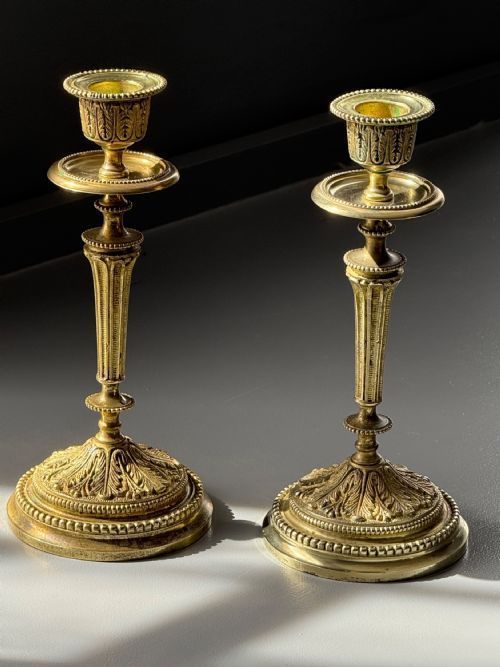
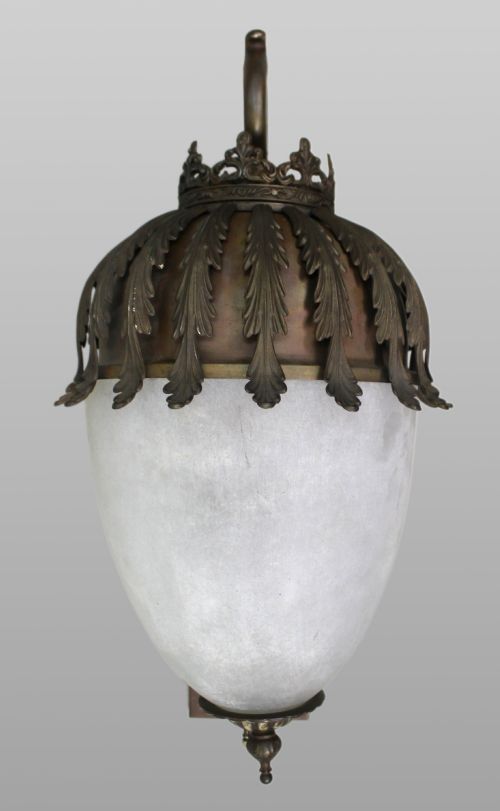
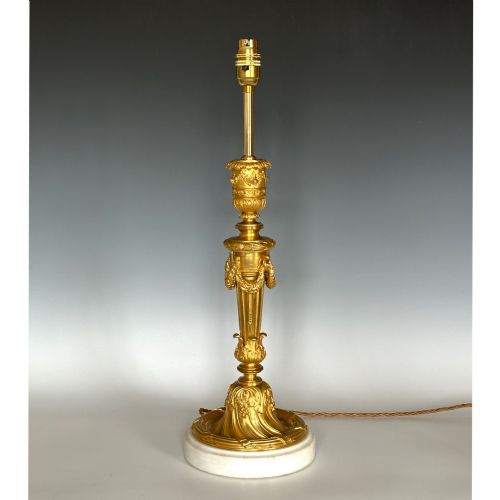
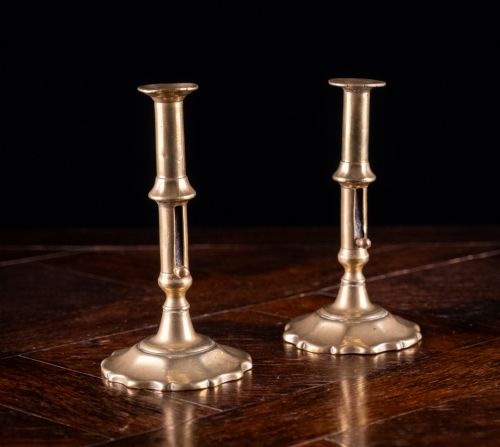
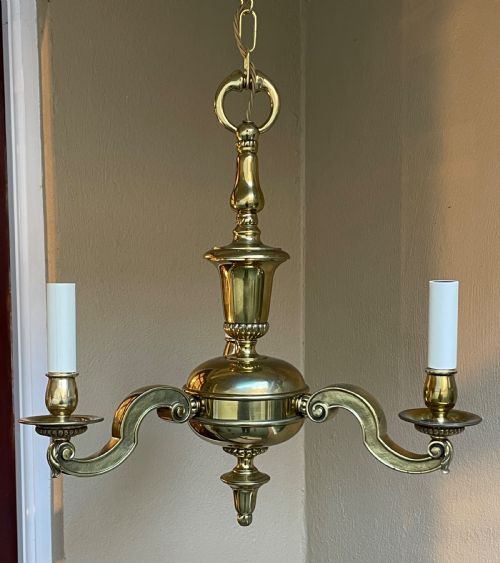
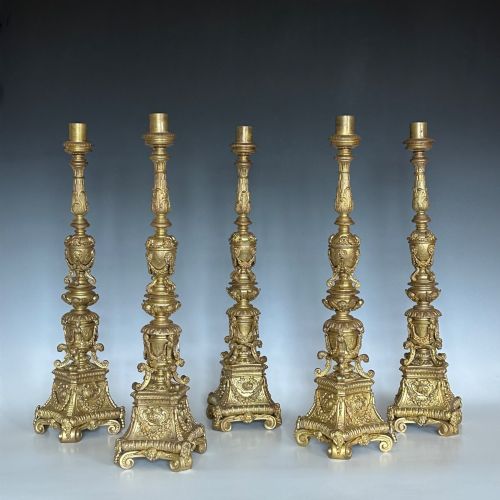
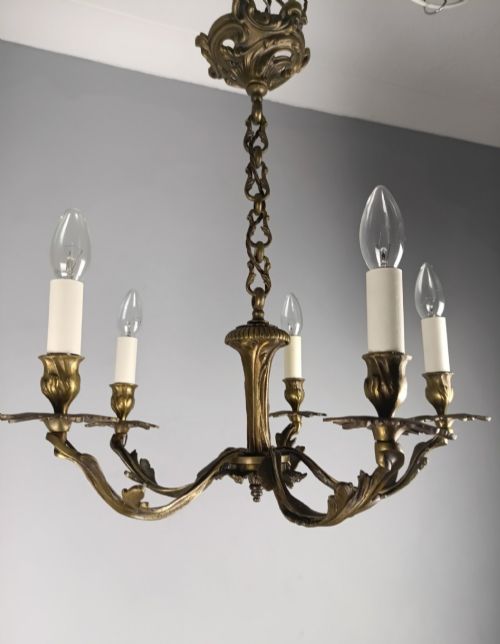
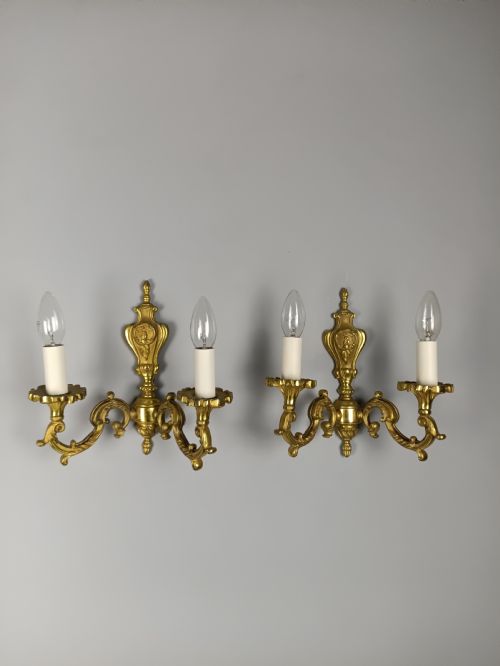
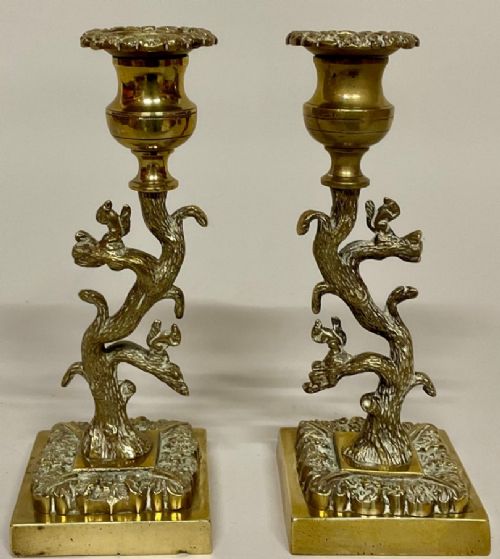
Cast brass lighting encompasses a diverse range of fixtures designed to illuminate domestic and public spaces across multiple centuries. A buyer searching this phrase encounters candlesticks, wall lights, chandeliers, and table lamps originating from the eighteenth century onward. The selection ranges from plain Georgian ejector sticks to ornate Victorian and Edwardian fittings.
The most common items found in this category are candlesticks and wall sconces, alongside larger ceiling lights and floor lamps. Pieces frequently display specific stylistic influences such as French Rococo, Gothic Revival, Art Deco, and Art Nouveau. These objects combine utilitarian function with decorative metalwork characteristic of their respective eras.
Materials and construction
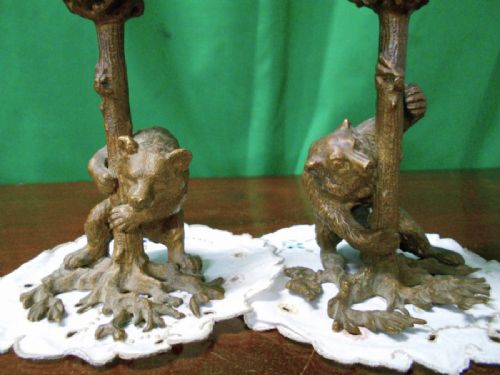
Makers utilised brass, bronze, gilt bronze, and ormolu, often combining cast metal components with glass, fabric, and marble elements. Seamed brass construction appears in earlier pieces, while later items employ more advanced casting techniques to achieve intricate detail.
Surface treatments vary from polished finishes to patinated or gilded surfaces, depending on the stylistic demands of the period. Secondary materials such as copper and cast iron also appear in specific utilitarian pieces like coach lamps.
Listings feature items spanning the eighteenth, nineteenth, and twentieth centuries, utilising brass, bronze, gilt bronze, glass, and marble across Georgian, Victorian, and Art Deco styles.
Quality differences
Quality in these pieces rests upon the crispness of the casting and the depth of the chased detail on the metal surface. Superior examples exhibit finely rendered motifs, balanced proportions, and careful weight distribution.
The integrity of the original components and the subtlety of the applied finish distinguish finer items from simpler utilitarian productions. Markers of superior manufacture include well-fitted joins and enduring patination.
L & F Moreau·Angelo Brotto for Esperia·J.T. & Co
The Cast Brass Lighting Glossary
- Ormolu
- Gilded bronze used extensively for decorative mounts on furniture and lighting fixtures. This technique involves applying a finely ground gold-mercury amalgam to a bronze base before firing.
- Champlevé
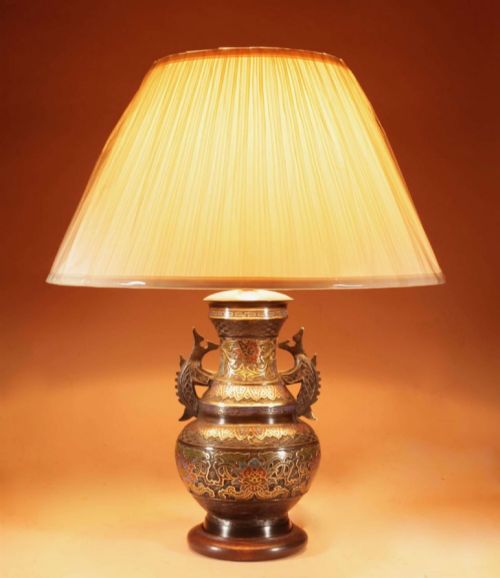
- An enamelling technique where troughs are dug into the metal surface and filled with vitreous enamel before firing. It frequently appears on decorative Japanese bronze items.
- Campana
- A vase-shaped candle socket resembling an inverted bell, commonly found on nineteenth-century candlesticks and girandoles.
- Ejector
- A mechanism fitted inside certain candlesticks featuring an internal slide to push out the remaining wax stump. This practical addition is typical of eighteenth-century and nineteenth-century domestic brassware.
Cast Brass Lighting: Frequently Asked Questions
How do I date an old candlestick?
Dating relies upon examining the manufacturing technique, base construction, and stylistic motifs present on the metal.
Early examples often display seamed construction and heavier bases, while later nineteenth-century pieces incorporate more complex ornamentation influenced by revival styles.
Were these fixtures converted for electricity?
Many table lamps, wall lights, and chandeliers originating from earlier centuries have received modern electrical wiring to permit contemporary domestic use.
Original candlesticks and oil lamps frequently retain their pristine un-converted state for traditional display.
What is the difference between brass and bronze?
Brass is an alloy primarily composed of copper and zinc, yielding a bright yellow metallic appearance. Bronze consists mainly of copper combined with tin, producing a darker and denser material that accepts patination readily.
How should I clean antique brass?
Maintenance generally requires dusting with a soft cloth to preserve the accumulated patination acquired over centuries. Aggressive metal polishes should be avoided to protect original surface treatments and finishes.