

Cast Brass Light
When you search for cast brass light, you encounter functional metalwork that spans from Georgian domestic interiors to Art Deco rooms.
Cast Brass Light
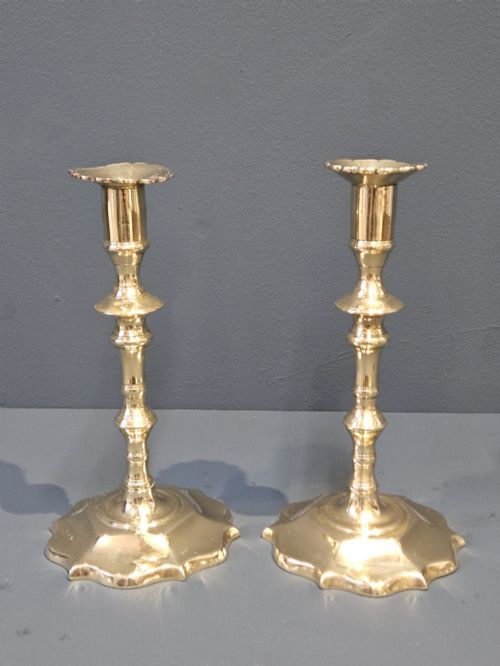
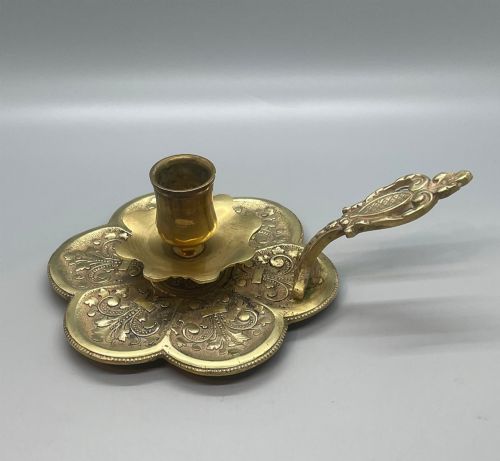
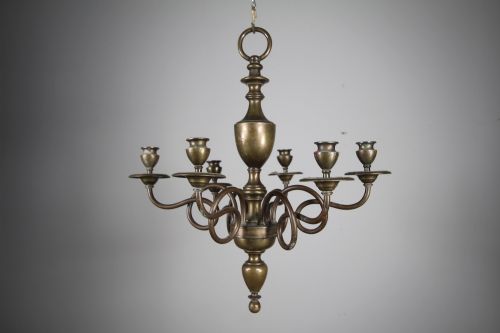
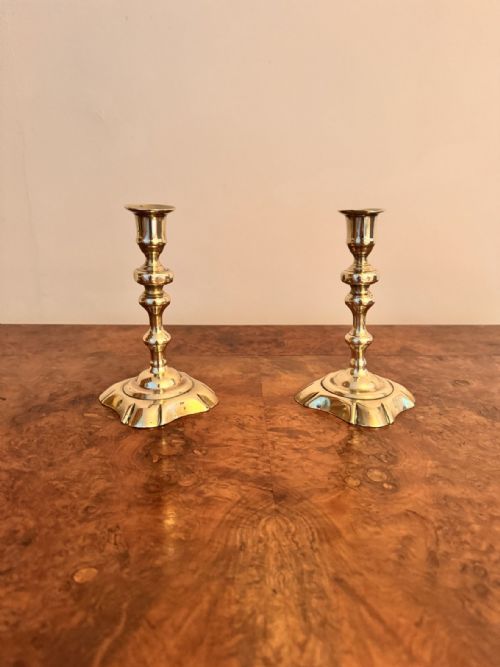
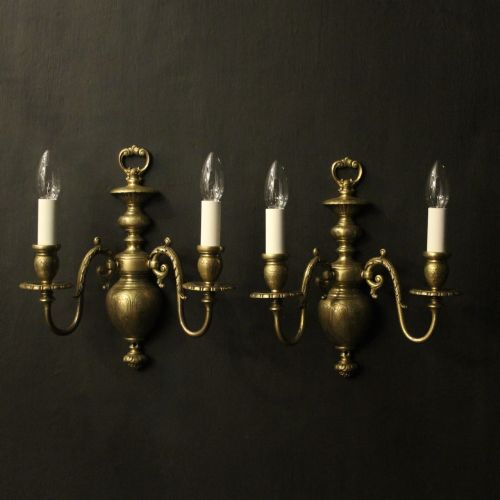
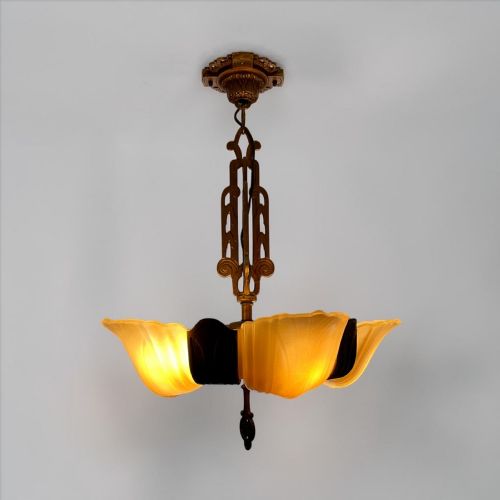
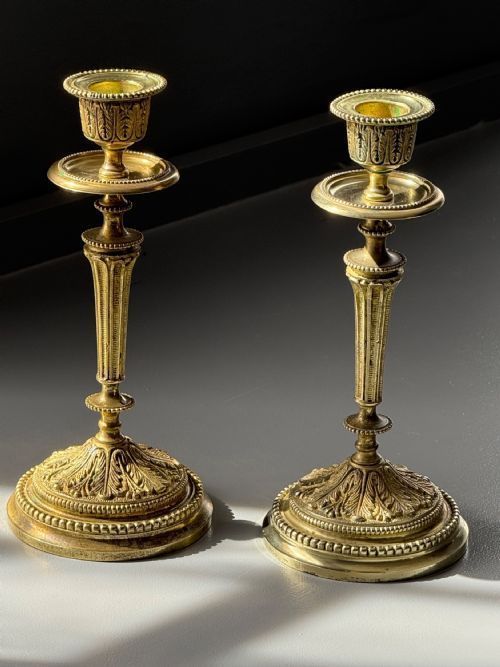
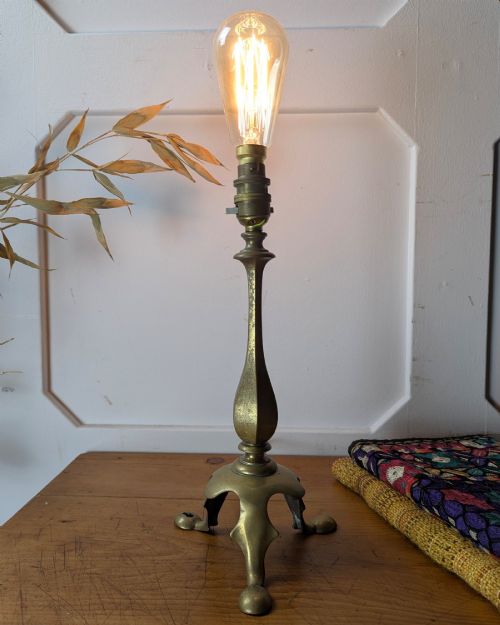
A cast brass light encompasses diverse forms designed for illumination, ranging from candlesticks and oil lamps to multi-arm chandeliers and wall sconces. These pieces span the eighteenth, nineteenth, and early twentieth centuries, reflecting changing domestic habits and decorative tastes over generations.
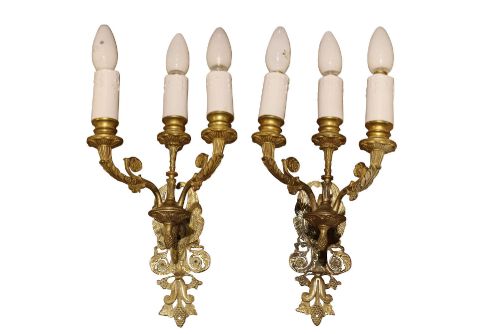
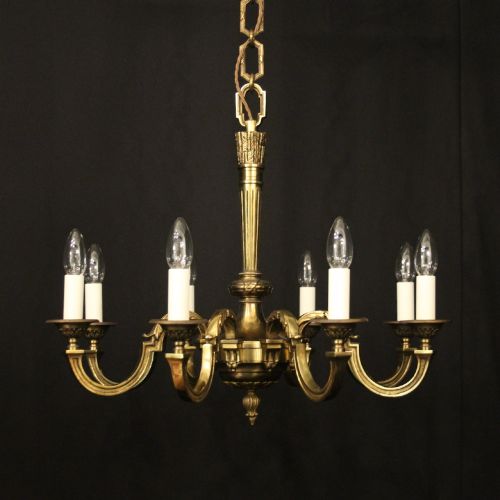
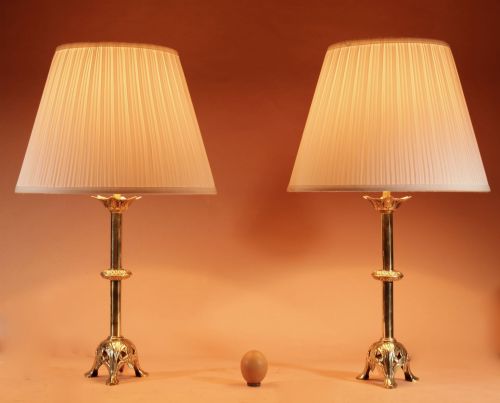
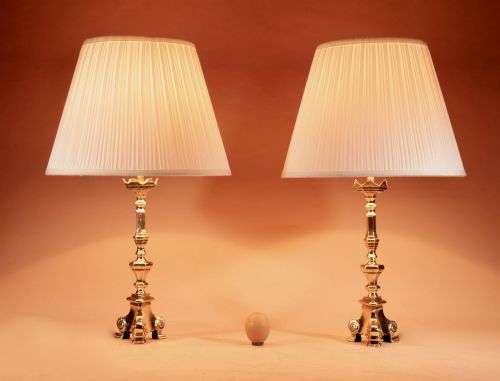
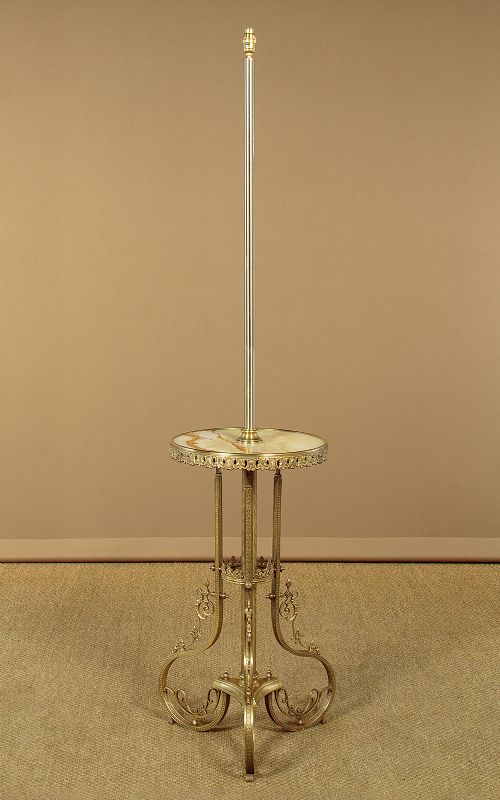
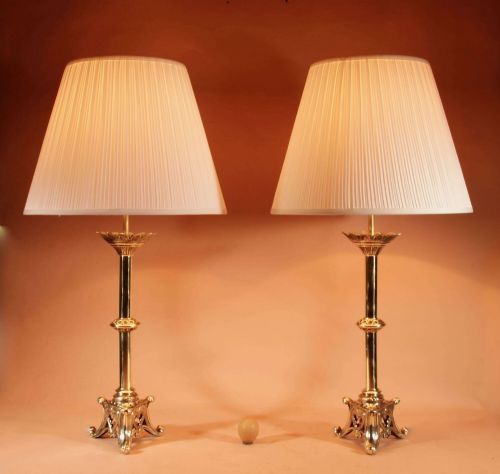
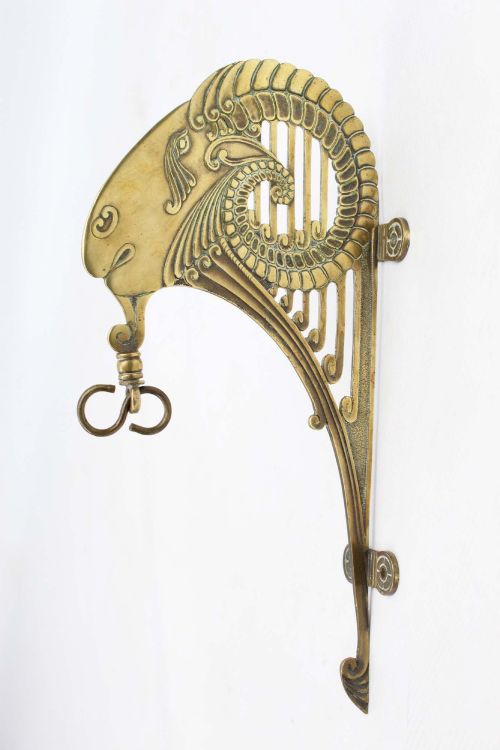
The selection here includes specific object types such as floor lamps, table lamps, ceiling lights, and wall lights. Pieces often reflect historical revivals, including Gothic, French Rococo, and Neoclassical styles, alongside cleaner lines from the Art Deco period.
Origin details in the evidence point to English workshops, French foundries, and specific venues like the Savoy Hotel. Buyers meet everything from simple domestic candleholders to monumental sculptural lamps bearing artist signatures.
Materials and construction
Makers utilised copper alloys primarily, distinguishing between cast brass, heavier bronze, and gilt bronze surfaces. Seamed construction methods appear alongside solid casting, particularly in eighteenth-century candlesticks and nineteenth-century chamber lighting.
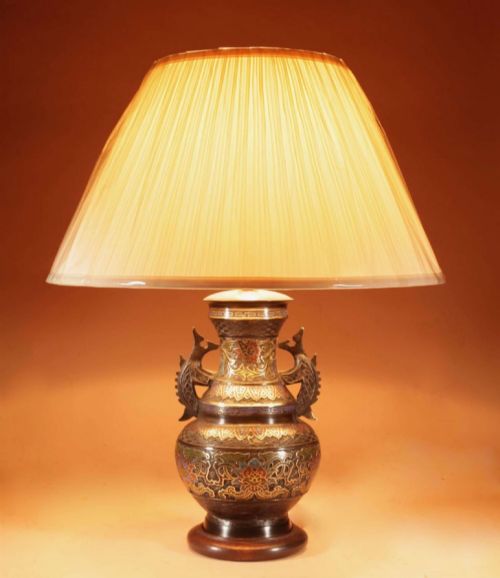
Secondary materials supplement the metalwork, including glass shades, fabric elements, and wooden components. Champlevé enamel work and patinated finishes alter the visual weight of individual items.
Cast Brass Light Retail Price Guide 2026
Typical asking prices for cast brass light among the pieces listed under this phrase on Sellingantiques today, from the lower quarter to the upper quarter. They describe what is for sale here now, not the wider market.
Periods represented span from the mid-eighteenth century through the Art Deco movement of the 1930s.
Defining quality
Quality rests in the crispness of the cast detail and the weight of the metal used in the construction. Fine examples retain sharp ornament and well-balanced proportions without excessive surface softening from cleaning.
The integration of secondary materials, such as frosted glass shades or hand-chased gilt bronze mounts, separates standard domestic items from exhibition pieces.
Angelo Brotto for Esperia·L & F Moreau
The Cast Brass Light Glossary
- Cast brass
- Molten alloy poured into a mould to create rigid shapes and decorative forms. This method allows for repeated production of complex sculptural brackets and candleholders.
- Gilt bronze
- Bronze metal coated with a thin layer of gold or gold-coloured alloy. It provides a bright finish that resists tarnishing in domestic interiors.
- Champlevé
- Enamel technique where troughs are dug into the metal surface and filled with vitreous paste before firing. This adds coloured decoration to the body of the light.
- Ejector candlestick
- Candleholder featuring an internal mechanism to push out the remaining wax stub. It provides practical utility for clearing burnt wax.
- Campana
- Vase-shaped candle socket resembling an inverted bell. This shape appears frequently on classical and revival candlesticks.
- Patinated
- Surface aged naturally or chemically to produce a darker tone over the bare metal. This finish highlights the contours of the casting.
Cast Brass Light: Frequently Asked Questions
How do I date a cast brass light?
Dating relies on stylistic clues, manufacturing techniques like seamed construction, and the specific form of the object. Eighteenth-century pieces often show simpler geometry or distinct ejector mechanisms, while later examples embrace revival styles.
Evidence from the listings indicates production spans from the seventeen-fifties through the Art Deco era. Examining the weight, the casting seams, and the fastening methods helps place the piece within this timeline.
Can antique wall lights be rewired safely?
Most antique wall lights and chandeliers designed for candles or oil can be adapted for modern electrical use by a qualified professional. Wiring is threaded through existing channels where possible to preserve the original metalwork.
Consider whether the piece retains its structural integrity before undertaking conversion. Professional rewiring ensures the fixture meets current safety standards without altering the visible exterior.
What is the difference between brass and bronze?
Brass is an alloy primarily composed of copper and zinc, yielding a brighter, golden appearance. Bronze contains copper combined with tin, resulting in a heavier, darker metal that takes fine patination.
Both materials appear across the listings, sometimes finished with gilding or dark patination. Bronze is typically associated with heavier sculptural castings and decorative statuary components.
How do I clean an antique brass light?
Dusting with a soft, dry cloth is usually sufficient for regular maintenance. Avoid harsh chemical polishes that strip away the aged patina accumulated over centuries.
Retaining the historic surface texture maintains the character of the piece. Professional advice should be sought before applying any cleaning solutions to gilt or patinated surfaces.