
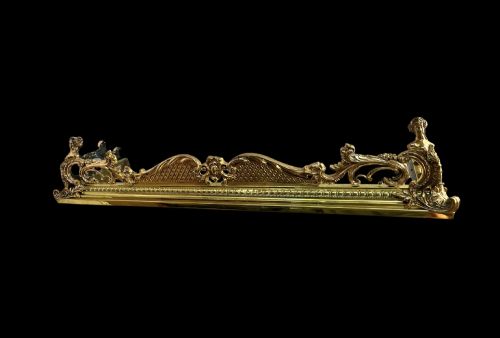
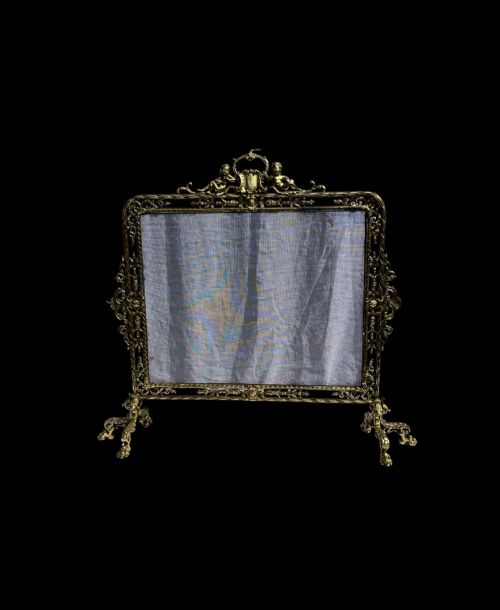

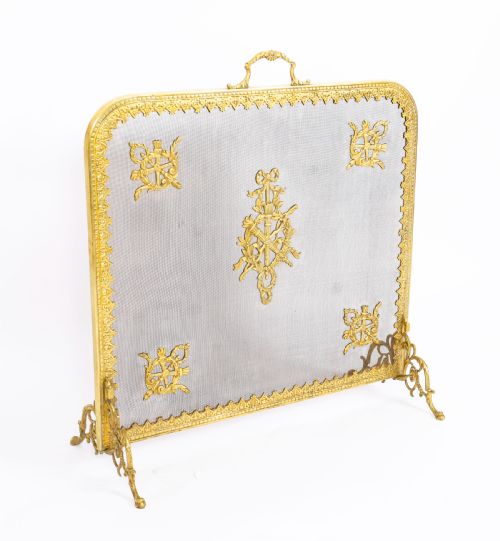


Cast Brass Fireplace Guard
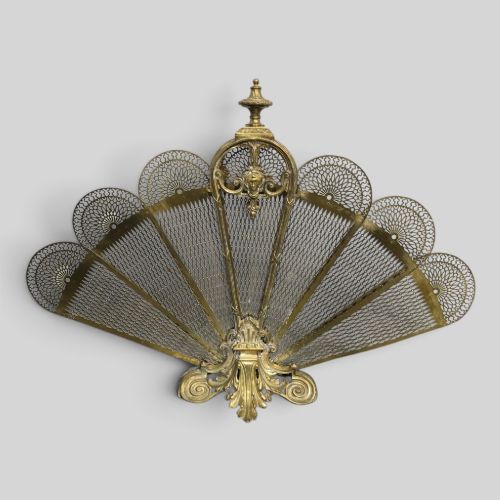
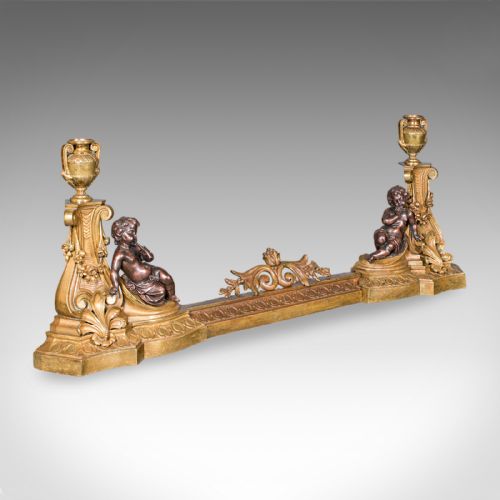
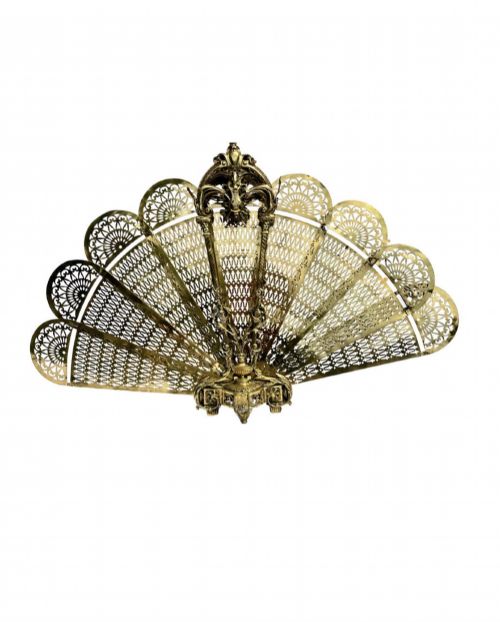
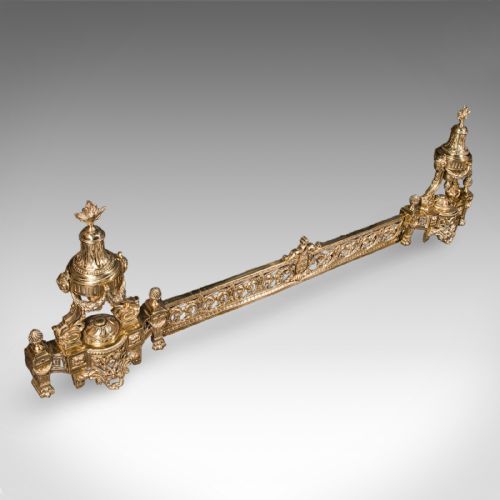
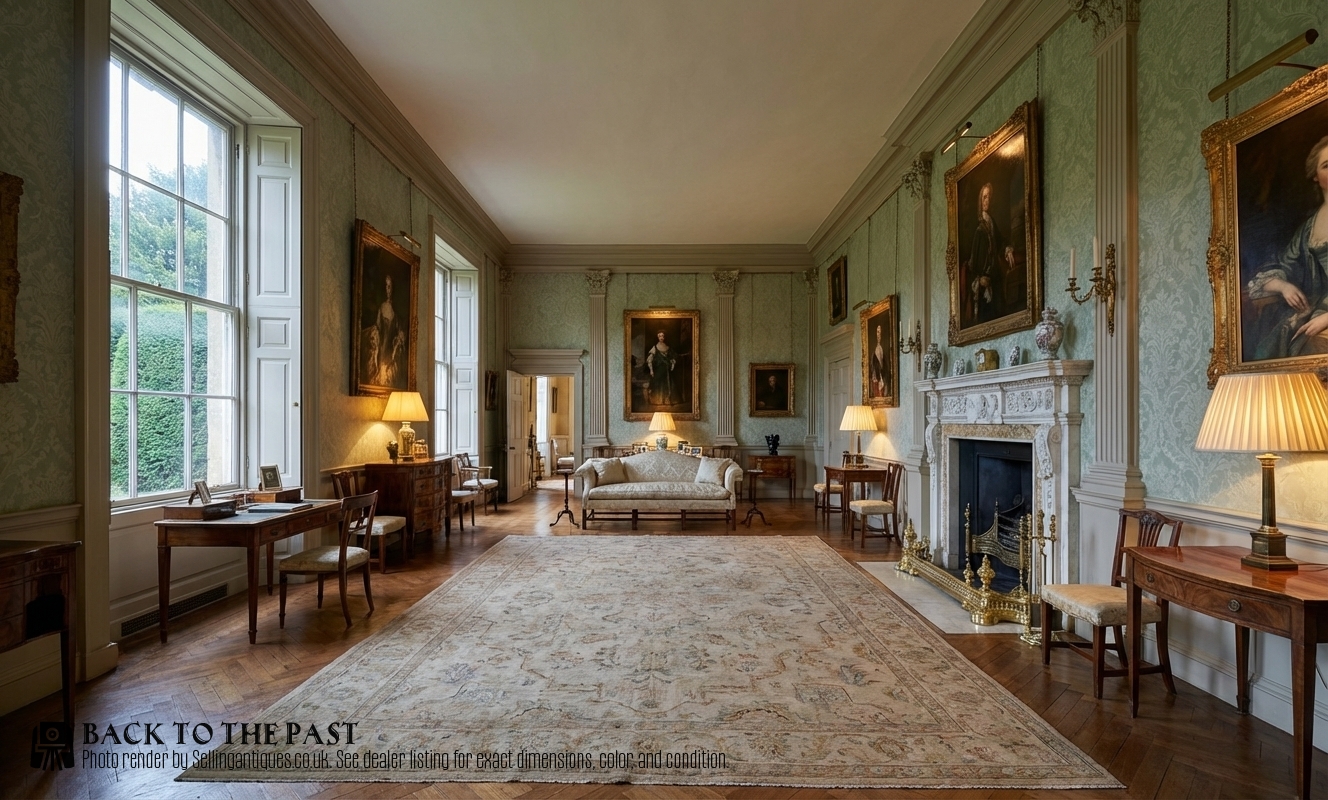
A cast brass fireplace guard protects the hearth while bringing a refined Victorian or Rococo accent to the room.
Cast Brass Fireplace Guard
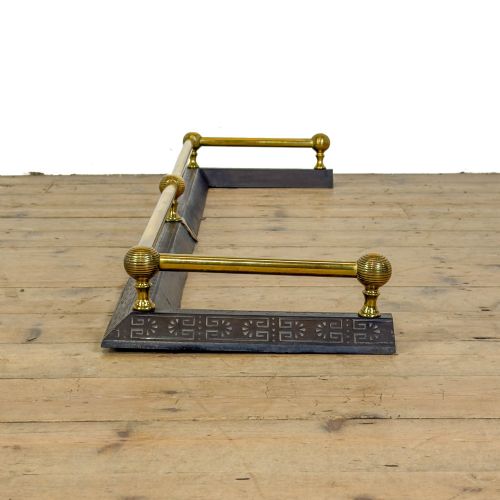
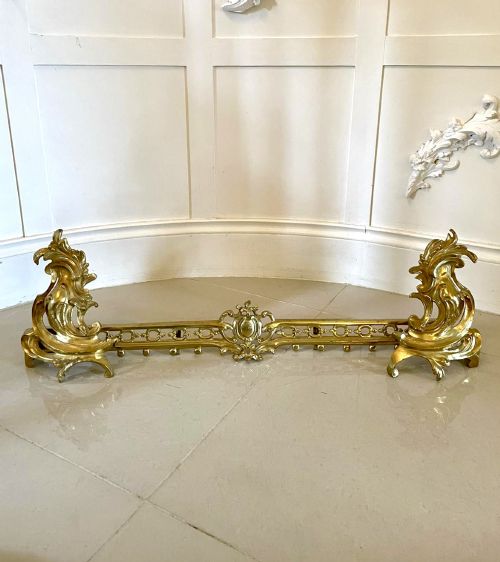
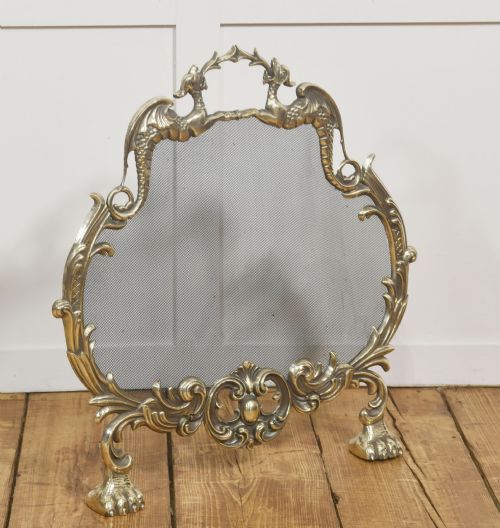
A cast brass fireplace guard encompasses hearth furniture designed to contain embers and frame the fire opening, appearing primarily as extending fenders, adjustable curbs, and folding screen guards.
The pieces on this page span the Victorian period and the late nineteenth century, reflecting styles from Rococo Revival and Louis XV to Art Nouveau.
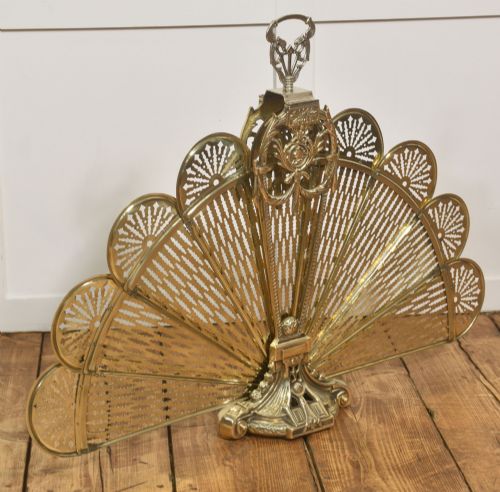
Buyers will encounter structural variations including heavy cast brass rails paired with iron or steel, alongside folding fan screens designed to expand before the hearth.
Materials and construction
Workshops utilised heavy cast brass and gilt bronze for decorative elements, combining them with iron and steel to ensure structural durability along the hearth.
Components were cast in sections, incorporating wire mesh, scrolled ornamentation, and cast garlands before being assembled into adjustable or extending frames.
Listings feature items from the Victorian period, 1860, 1880, 1900, and 1910, utilising brass, bronze, iron, and steel.
Assessing quality
Quality rests upon the weight of the gauge used in the brass casting and the crispness of chased details such as classical trophies, lions, or floral garlands.
Extending and adjustable mechanisms operate smoothly on superior examples, demonstrating precise engineering alongside robust materials like bronze and cast steel.
The Cast Brass Fireplace Guard Glossary
- Fender
- A low metal guard placed around the hearth to keep burning coals and ash from spilling onto the floor. These pieces often feature extending frames or decorative brass rails.
- Fire Screen
- A movable panel placed in front of the fireplace opening when the fire is unlit. Folding fan designs in brass are common examples.
- Club Fender
- A sturdy hearth fender featuring upholstered top rails designed for seating. Nineteenth-century versions frequently combine brass and steel.
- Gilt Bronze
- Bronze metal treated with a gold-coloured finish or gilt layer. This material appears on ornate French Empire revival screens.
Cast Brass Fireplace Guard: Frequently Asked Questions
How do I measure for a fender?
Measure the width and depth of your fireplace opening and hearth space carefully. Account for any protruding hearth stones or mouldings before selecting an adjustable or fixed model.
Consider whether you want the fender to sit directly on the floor around the hearth or fit tightly against the brickwork. Adjustable models offer flexibility if your dimensions fall between standard sizes.
Are these guards suitable for coal fires?
Many of these pieces were built to withstand heavy hearth use, combining cast brass with iron and steel frames. They function effectively to contain stray embers.
Check the specific construction of the screen or fender to ensure wire mesh or solid panels are robust enough for your type of fireplace. Heavier gauge brass models handle active hearth environments best.
How do I clean cast brass?
Dust the brass regularly with a soft, dry cloth to prevent soot and ash accumulation. Avoid harsh chemical abrasive cleaners that can strip historical patinas.
Gentle cleaning preserves the surface detail on cast scrolls and garlands. Allow a natural polish to develop over time rather than striving for a bright mirror finish.
What is a club fender?
A club fender is a specialised hearth guard featuring padded leather or fabric seats along the top rails. They originated in gentlemen's clubs to provide warm seating near the fire.
These pieces combine functional brass or steel frames with comfortable furniture elements. They create a social focal point directly around the fireplace.