

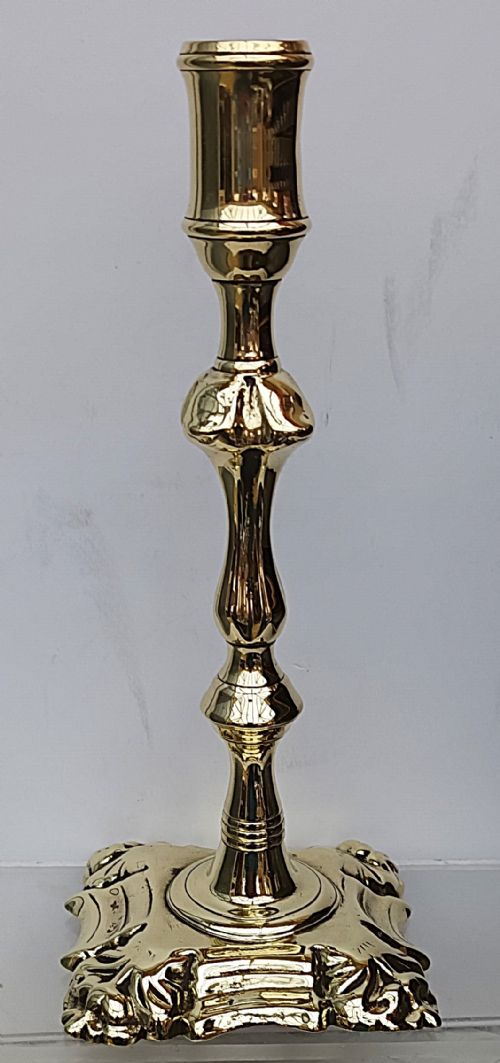
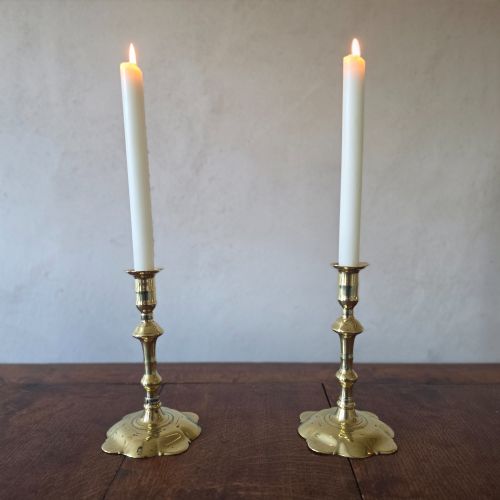
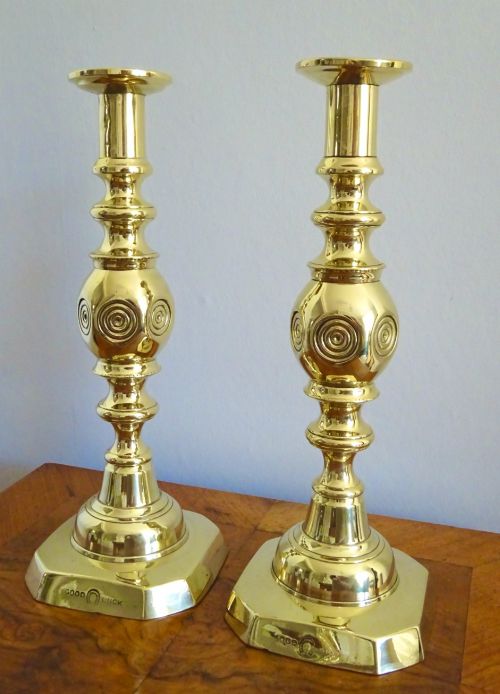
Cast Brass Candle Stands
Solid cast brass candle stands bring weight and period character to a room, ranging from simple Georgian columns to ornate Victorian animal figures.
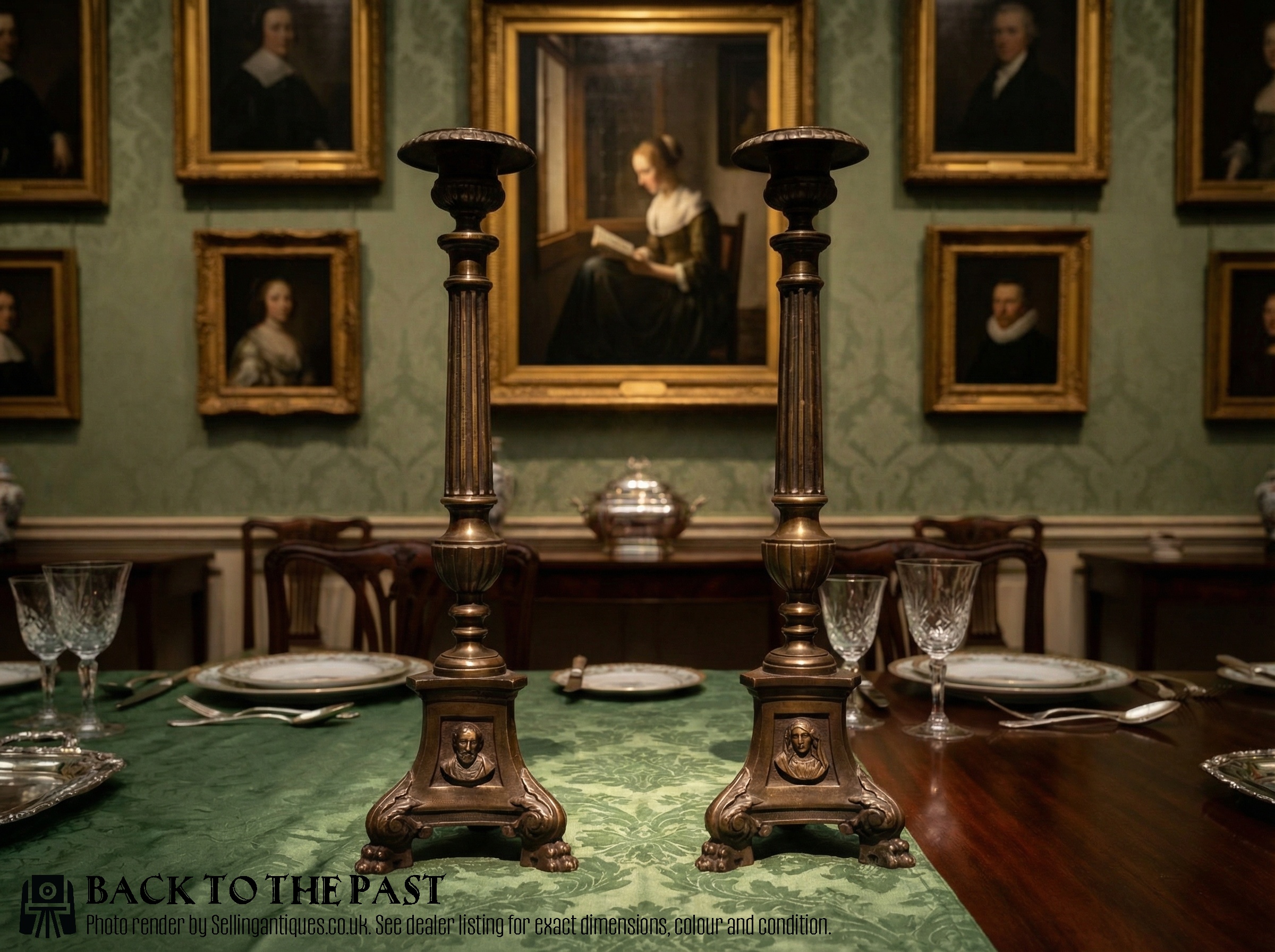
Cast Brass Candle Stands
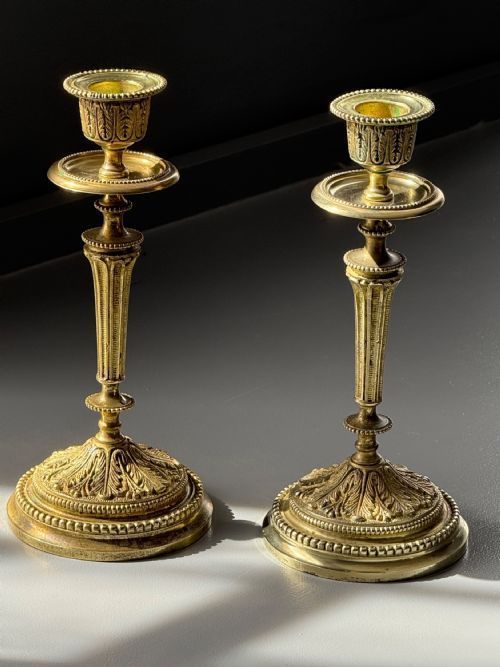
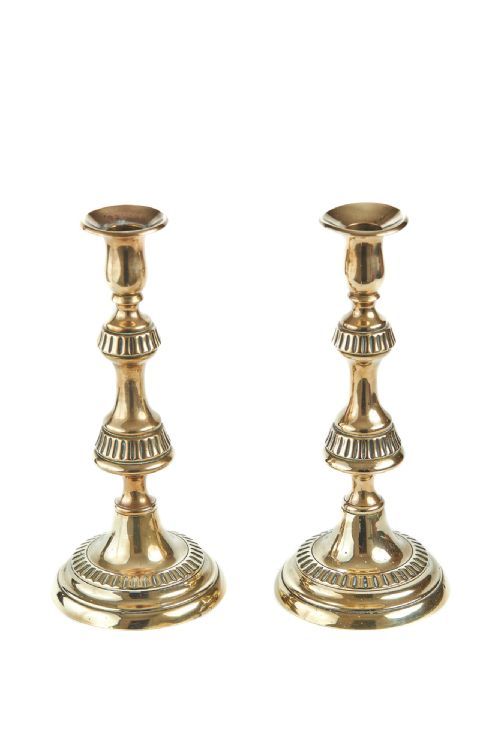
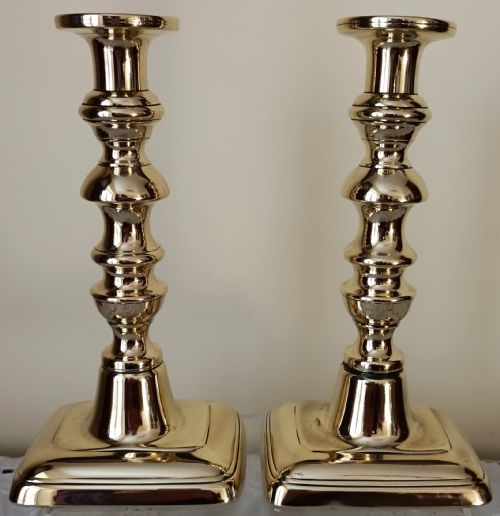
Cast brass candle stands encompass domestic lighting fixtures designed to hold taper candles safely on tables and mantelpieces. Buyers searching for cast brass candle stands encounter numerous pairs originating from the eighteenth and nineteenth centuries, spanning Georgian, Victorian, and Louis XVI styles.
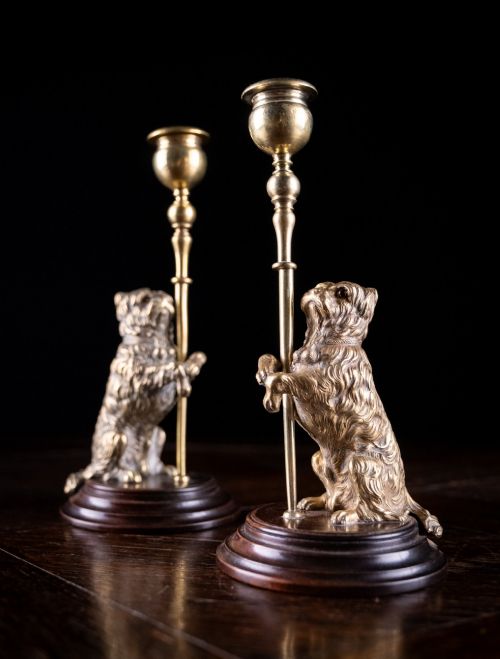
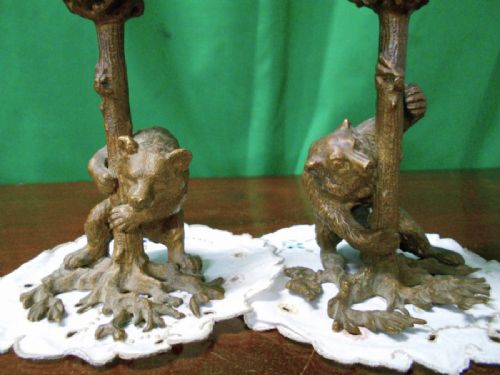
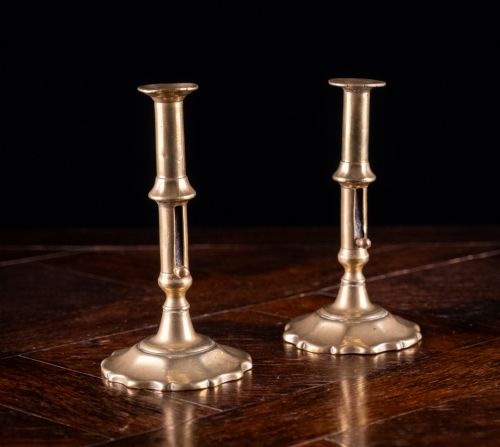
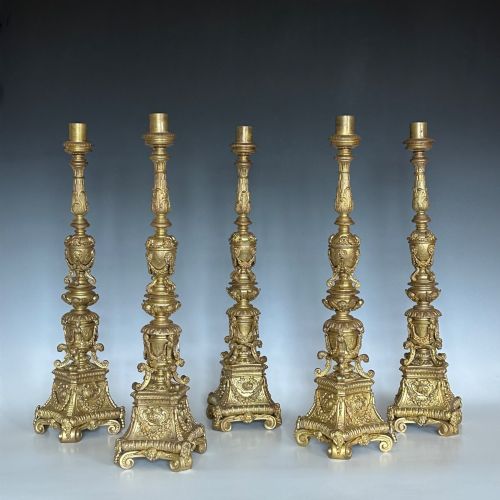
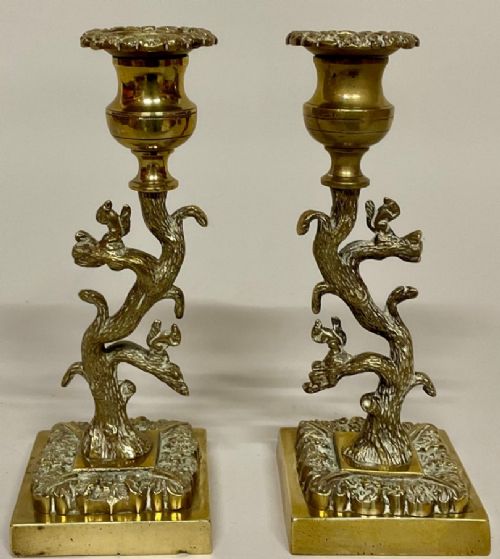
The selections on this page feature candlesticks, candelabra, and display stands created in England, France, Italy, and the Netherlands. Pieces range from plain seamed ejector designs to sculptural arrangements involving dogs, bears, trees, and classical columns.
Quality variations
Quality rests in the crispness of the cast detailing and the proportion of the components, such as the balance between the base, column, and campana sconce. Superior examples maintain intact original surfaces without heavy over-cleaning that softens crisp edges.
The integrity of construction distinguishes finer pieces, particularly in matched pairs where bases sit flat and components align precisely. Selection of materials also influences standard, with heavy metal gauge and careful finishing setting apart the best work.
J.T. & Co·Wm. Tonks & Sons
The Cast Brass Candle Stands Glossary
- Campana sconce
- A candle cup shaped in the profile of an inverted bell. This form appears frequently on Georgian and Regency lighting.
- Ejector
- A mechanism inside the shaft of a candle stand designed to push out the remaining wax stub. These feature heavily in mid-eighteenth-century English manufacturing.
- Gilt bronze
- Bronze metal treated with a layer of gold leaf or a gold-mercury amalgam. It provides a bright golden finish seen on French decorative pieces.
- Paktong
- A copper, nickel, and zinc alloy originating from China and imported to Europe during the eighteenth century. It resembles silver and was used for high-status candlesticks.
- Pricket
- A sharp metal spike set in the centre of a candle pan to secure a thick candle. This form is typical of earlier Flemish and ecclesiastical pieces.
Cast Brass Candle Stands: Frequently Asked Questions
How do I date a brass candlestick?
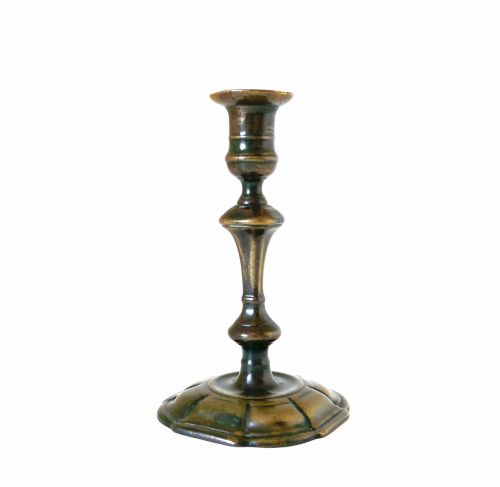
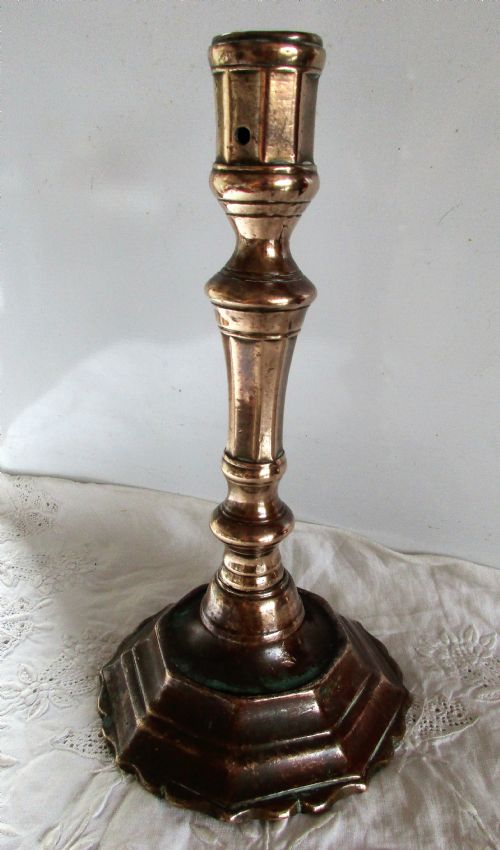
Dating relies on observing manufacturing techniques, base shapes, and stylistic traits. Earlier eighteenth-century examples often feature petal bases or seamed shafts, whereas Victorian pieces tend toward heavier ornamentation and varied column profiles.
Changes in metal composition and casting marks also assist in placing a piece within a specific century. Comparing the construction method against known period styles confirms the likely decade of origin.
How should I clean antique brass candle stands?
Maintenance requires minimal intervention to preserve the historic surface and darker patination built up over centuries. Dusting with a soft, dry cloth is usually sufficient for regular upkeep.
Avoid harsh chemical polishes that strip away the authentic aged skin of the metal. Gentle cleaning maintains the character valued by collectors.
Why do some candlesticks have animals on them?
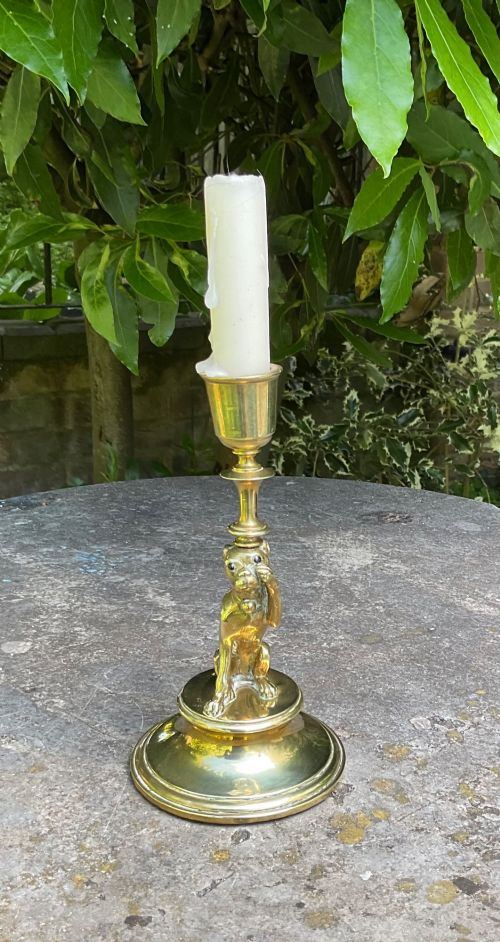
Animal figures reflect Victorian and Aesthetic Movement tastes for naturalism and whimsical domestic objects. Pugs, terriers, bears, and squirrels were incorporated into the cast brass designs to appeal to contemporary homeowners.
These figural pieces often served as conversation items on mantelpieces and tables. They demonstrate the lighter side of nineteenth-century metalwork.